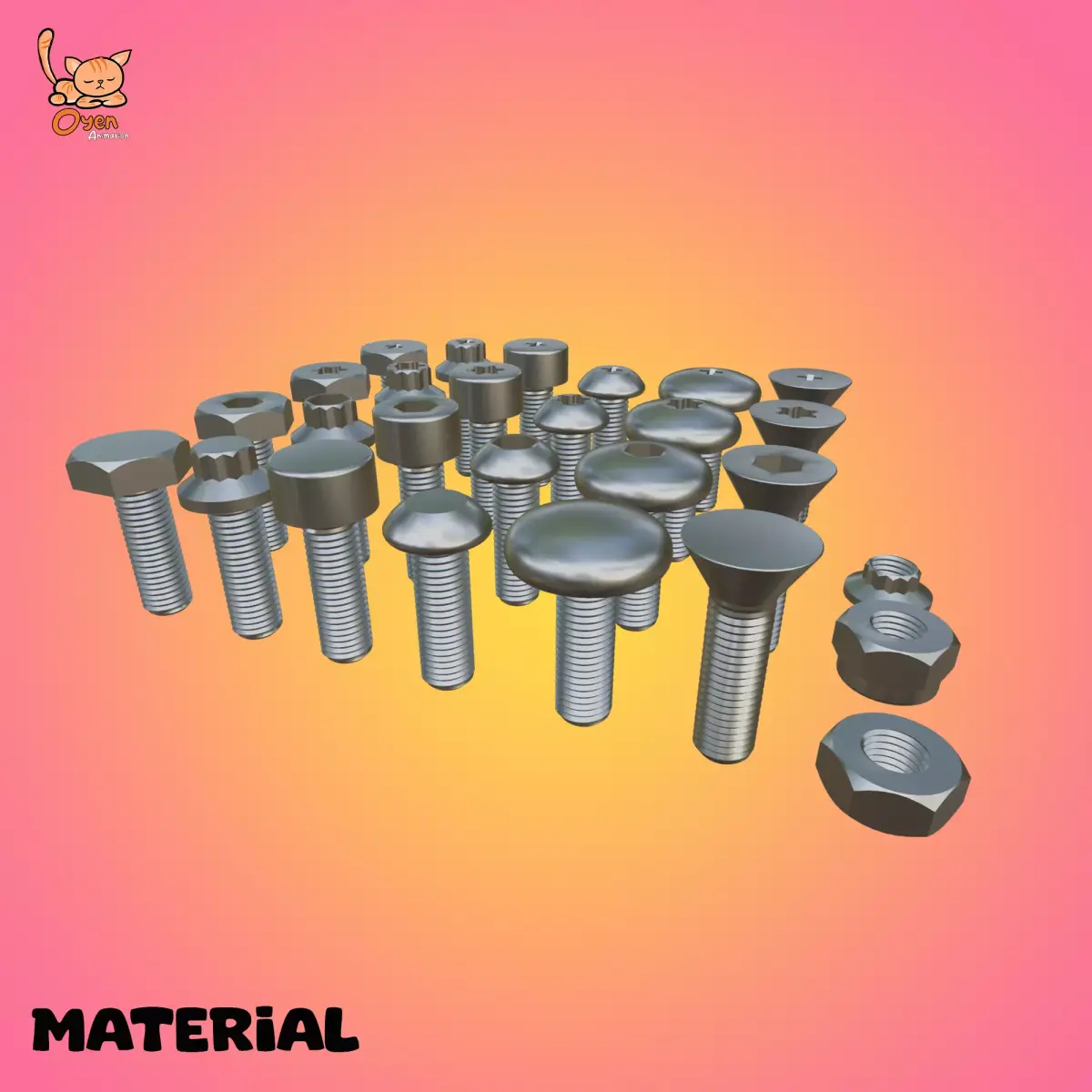
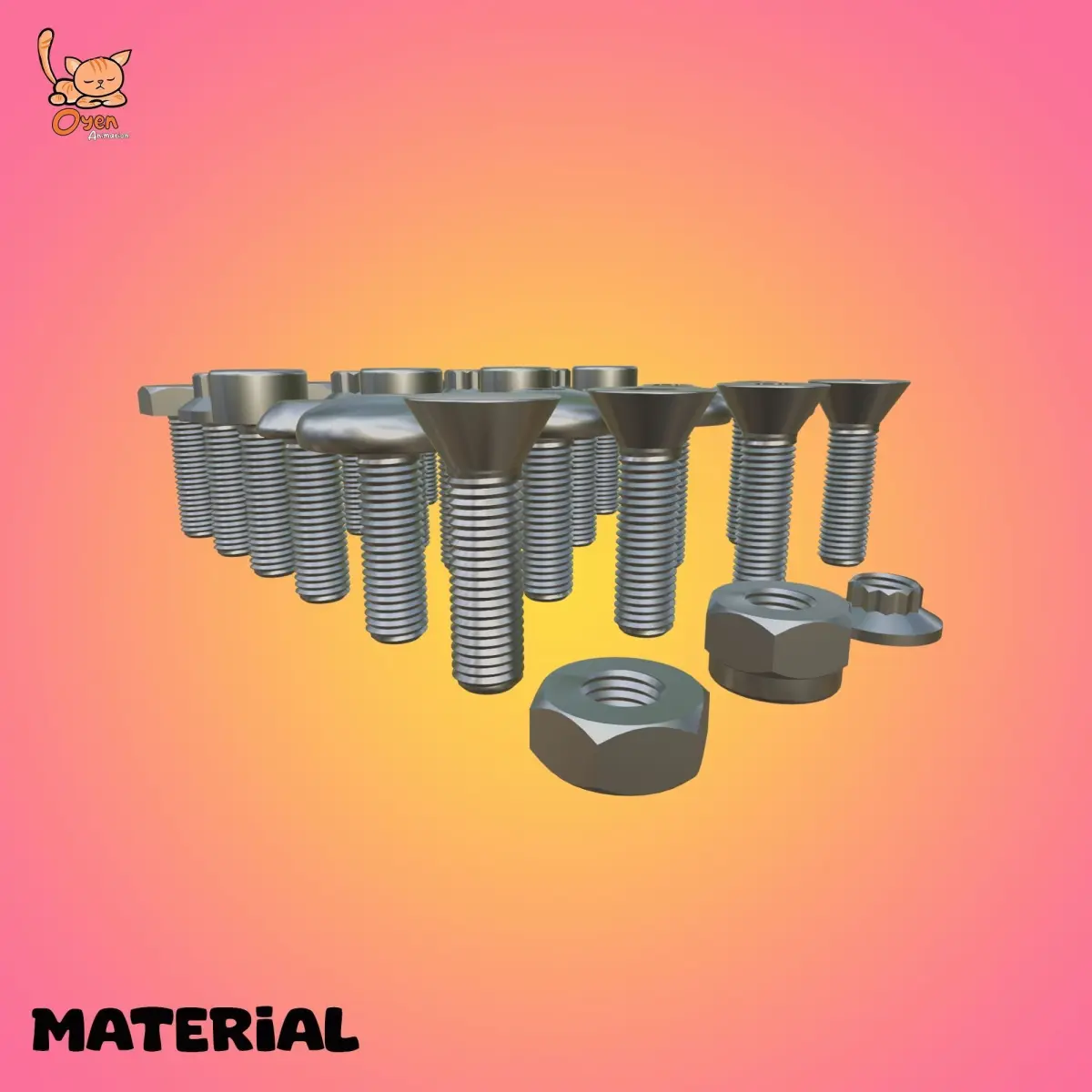
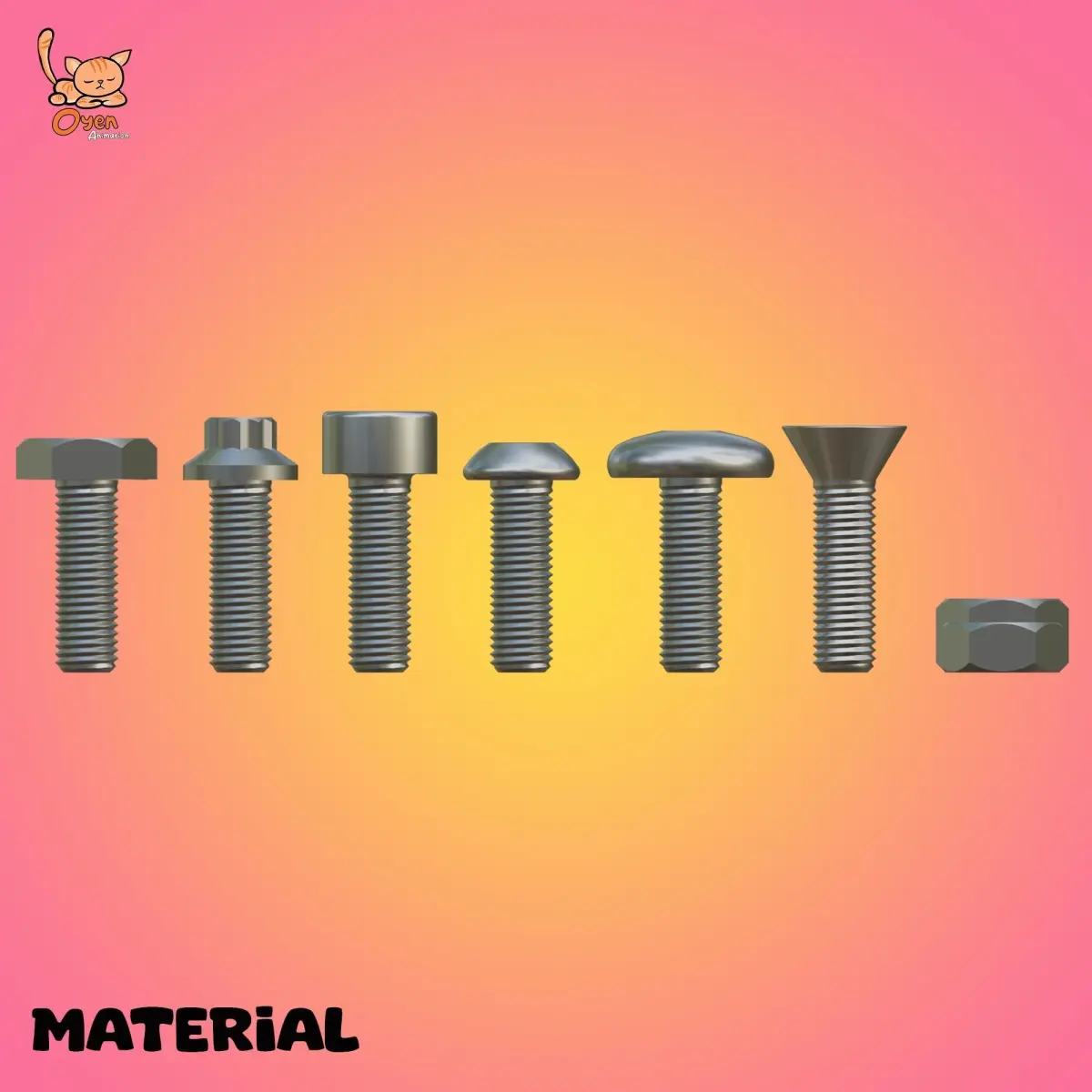
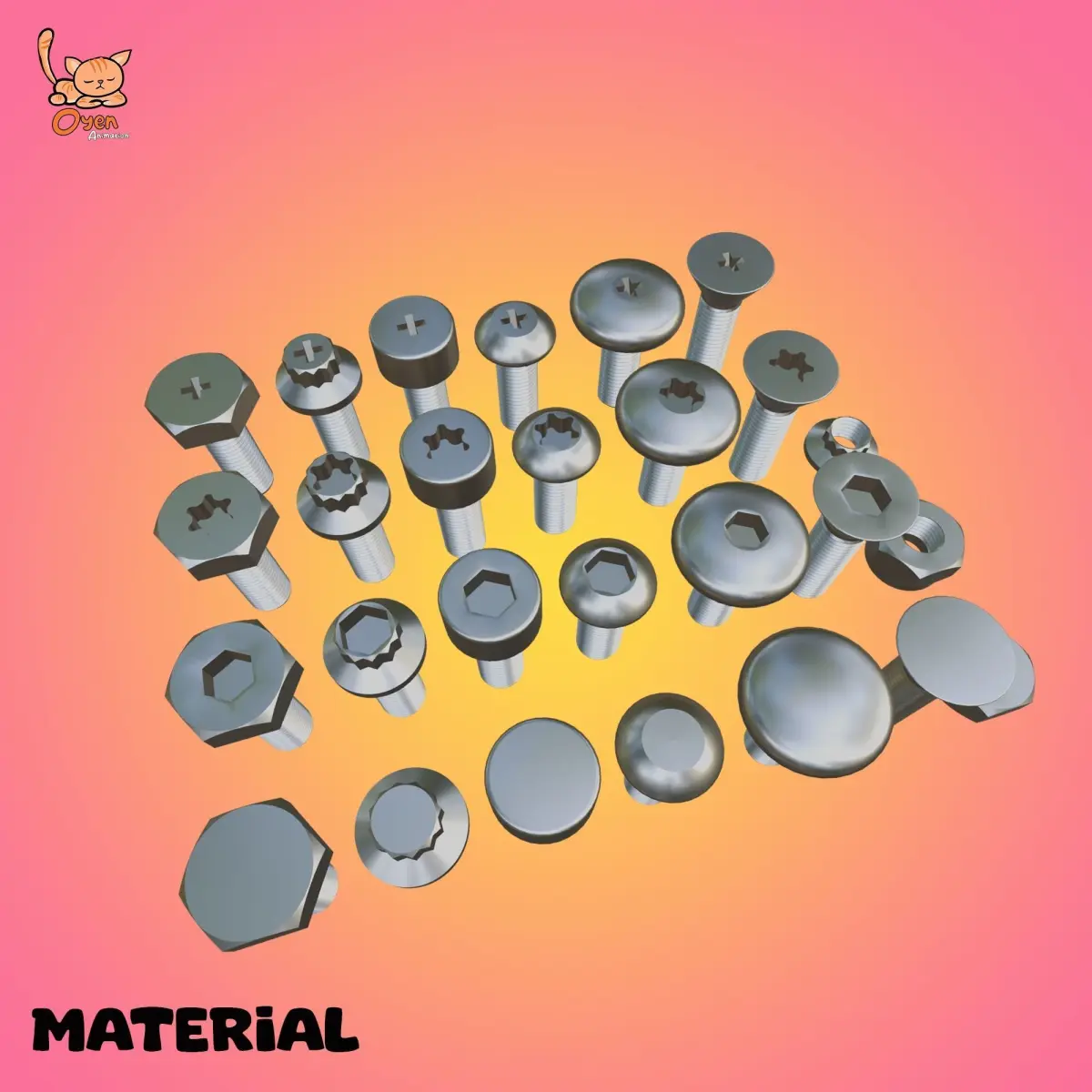
Bolts and Nuts: Essential Fasteners in Mechanical and Structural ApplicationsOverview
Bolts and nuts are fundamental components used in various mechanical, structural, and construction applications to join parts together securely. They form a vital part of fastening technology, ensuring that assemblies remain intact under various conditions.
Bolts
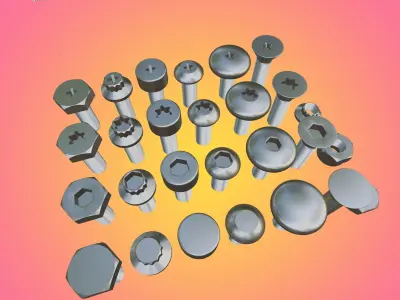
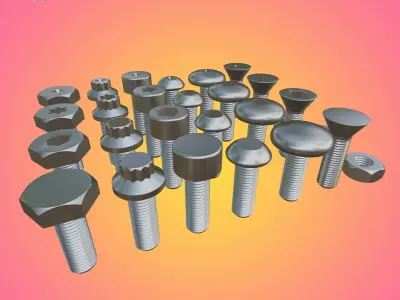
Bolts are threaded fasteners with an external male thread. They are typically used in conjunction with nuts to assemble parts. Bolts are available in numerous types, sizes, and materials to suit different applications.
-
Types of Bolts:
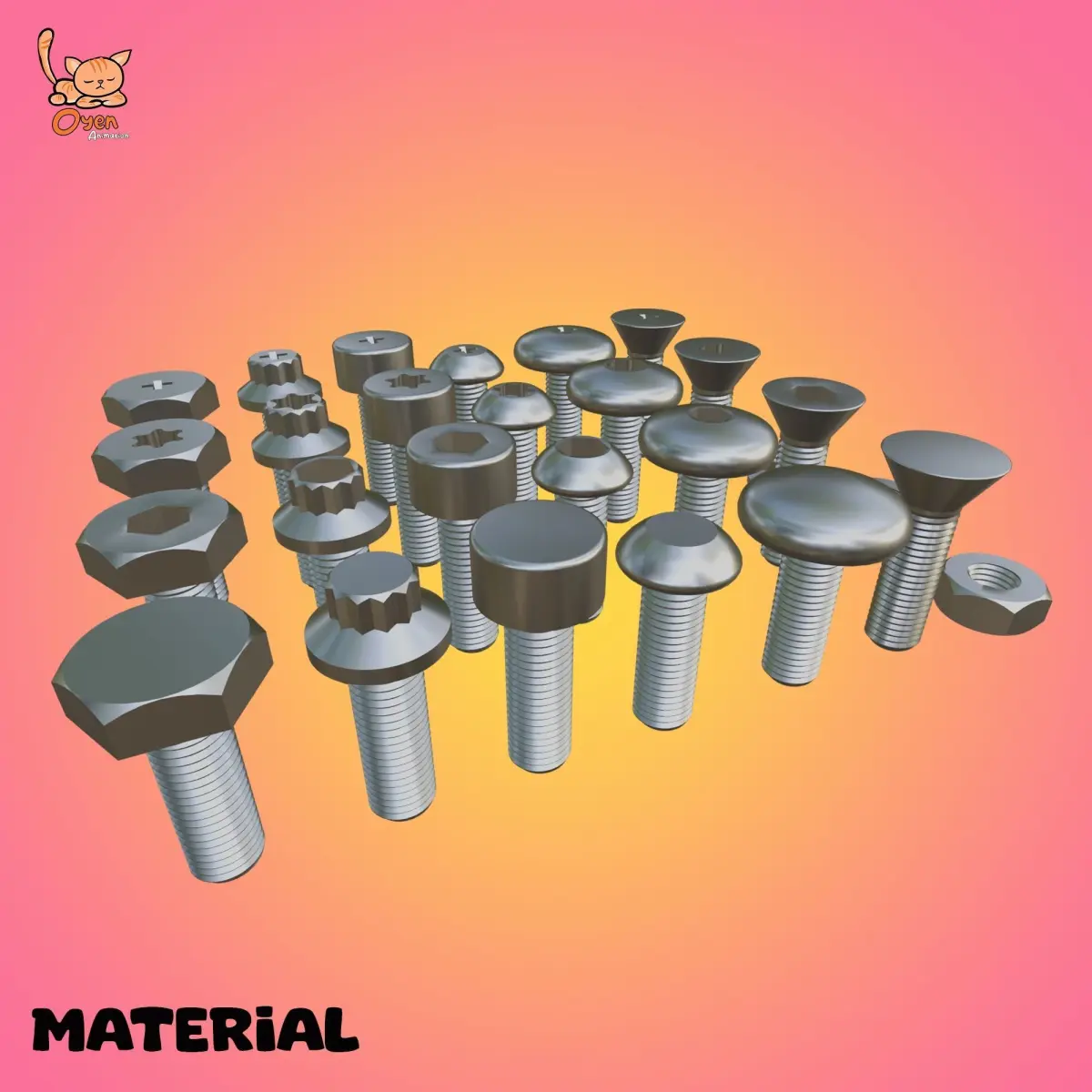
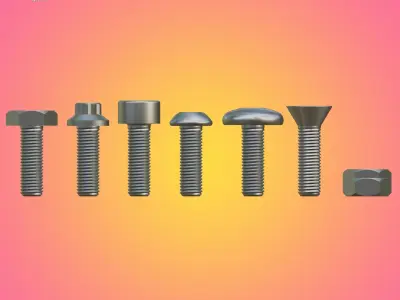
- Hex Bolts: Characterized by a hexagonal head, commonly used in construction and machinery.
- Carriage Bolts: Have a rounded head with a square section underneath, preventing rotation when the nut is tightened.
- Lag Bolts: Large, heavy-duty wood screws with hex heads, used for wood-to-wood and wood-to-metal connections.
- Eye Bolts: Feature a looped head, used for lifting or securing cables and ropes.
- J Bolts: Shaped like the letter 'J', often used for anchoring objects to concrete.
-
Materials:
- Steel: The most common material, available in various grades (e.g., stainless steel, carbon steel).
- Brass: Corrosion-resistant, used in decorative applications.
- Aluminum: Lightweight and corrosion-resistant, used in aerospace and automotive industries.
- Titanium: High strength-to-weight ratio and corrosion resistance, used in high-performance applications.
Nuts
Nuts are internally threaded fasteners with a female thread. They are used in conjunction with bolts to secure assemblies. Like bolts, nuts come in various types and materials.
-
Types of Nuts:
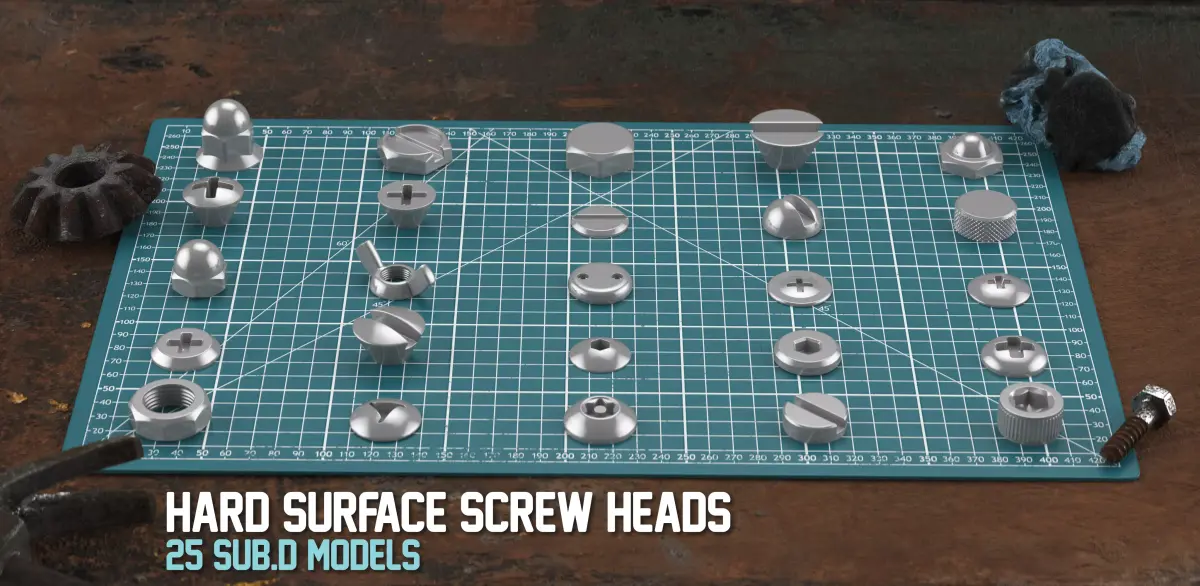
- Hex Nuts: Standard six-sided nuts used with bolts of the same diameter and thread pitch.
- Lock Nuts: Designed to prevent loosening under vibration or torque. Examples include nylon insert lock nuts and metal lock nuts.
- Wing Nuts: Have protruding 'wings' for easy manual tightening and loosening.
- Cap Nuts: Also known as acorn nuts, have a domed top to cover the exposed end of the bolt.
- T-Nuts: T-shaped nuts designed to be inserted into wood or metal, providing a flush surface.
-
Materials:
- Steel: Commonly used, available in various grades and coatings (e.g., zinc-plated, galvanized).
- Brass: Used for decorative purposes and in applications requiring corrosion resistance.
- Aluminum: Lightweight and corrosion-resistant, ideal for specific applications.
- Plastic: Used in lightweight or non-conductive applications.
Applications
Bolts and nuts are used in countless applications across various industries:
- Construction: Structural connections in buildings, bridges, and other infrastructures.
- Automotive: Assembling engines, frames, and other vehicle components.
- Aerospace: High-performance applications requiring lightweight and strong fasteners.
- Machinery: Securing parts in industrial and manufacturing equipment.
- Home Improvement: Furniture assembly, plumbing, and electrical installations.
Selecting the Right Bolts and Nuts
Choosing the appropriate bolts and nuts for a specific application involves considering several factors:
- Material: Ensure compatibility with the materials being fastened and the environment (e.g., corrosion resistance).
- Size and Thread Type: Match the diameter, length, and thread pitch of the bolt to the nut and the materials being fastened.
- Strength: Select fasteners with the appropriate grade and tensile strength for the load requirements.
- Coatings and Finishes: Choose coatings that provide the necessary protection against corrosion and wear.
Installation and Maintenance
Proper installation and maintenance are crucial for the performance and longevity of bolts and nuts:
- Torque Specifications: Follow manufacturer guidelines for torque settings to avoid over-tightening or under-tightening.
- Locking Mechanisms: Use lock nuts, washers, or thread-locking compounds to prevent loosening in applications subject to vibration.
- Regular Inspections: Periodically check fasteners for signs of wear, corrosion, or loosening, and replace as necessary.
Conclusion
Bolts and nuts are indispensable fasteners in a wide range of applications, providing reliable and secure connections. Understanding their types, materials, and proper usage is essential for ensuring the safety and integrity of assemblies in construction, machinery, automotive, aerospace, and many other industries.
BLEND (Blender, filesize: 1.51 MB), OBJ (OBJ, filesize: 1.22 MB), FBX (Autodesk FBX, filesize: 2.11 MB), GLTF (glTF, filesize: 279 KB), DAE (Collada, filesize: 1.06 MB), PLY (Ply, filesize: 572 KB), STL (Stereolithography, filesize: 2.06 MB)