High-quality 3D assets at affordable prices — trusted by designers, engineers, and creators worldwide. Made with care to be versatile, accessible, and ready for your pipeline.
Included File Formats
This model is provided in 14 widely supported formats, ensuring maximum compatibility:
• - FBX (.fbx) – Standard format for most 3D software and pipelines
• - OBJ + MTL (.obj, .mtl) – Wavefront format, widely used and compatible
• - STL (.stl) – Exported mesh geometry; may be suitable for 3D printing with adjustments
• - STEP (.step, .stp) – CAD format using NURBS surfaces
• - IGES (.iges, .igs) – Common format for CAD/CAM and engineering workflows (NURBS)
• - SAT (.sat) – ACIS solid model format (NURBS)
• - DAE (.dae) – Collada format for 3D applications and animations
• - glTF (.glb) – Modern, lightweight format for web, AR, and real-time engines
• - 3DS (.3ds) – Legacy format with broad software support
• - 3ds Max (.max) – Provided for 3ds Max users
• - Blender (.blend) – Provided for Blender users
• - SketchUp (.skp) – Compatible with all SketchUp versions
• - AutoCAD (.dwg) – Suitable for technical and architectural workflows
• - Rhino (.3dm) – Provided for Rhino users
Model Info
• - All files are checked and tested for integrity and correct content
• - Geometry uses real-world scale; model resolution varies depending on the product (high or low poly)
• • - Scene setup and mesh structure may vary depending on model complexity
• - Rendered using Luxion KeyShot
• - Affordable price with professional detailing
Buy with confidence. Quality and compatibility guaranteed.
If you have any questions about the file formats, feel free to send us a message — we're happy to assist you!
Sincerely,
SURF3D
Trusted source for professional and affordable 3D models.
More Information About 3D Model :
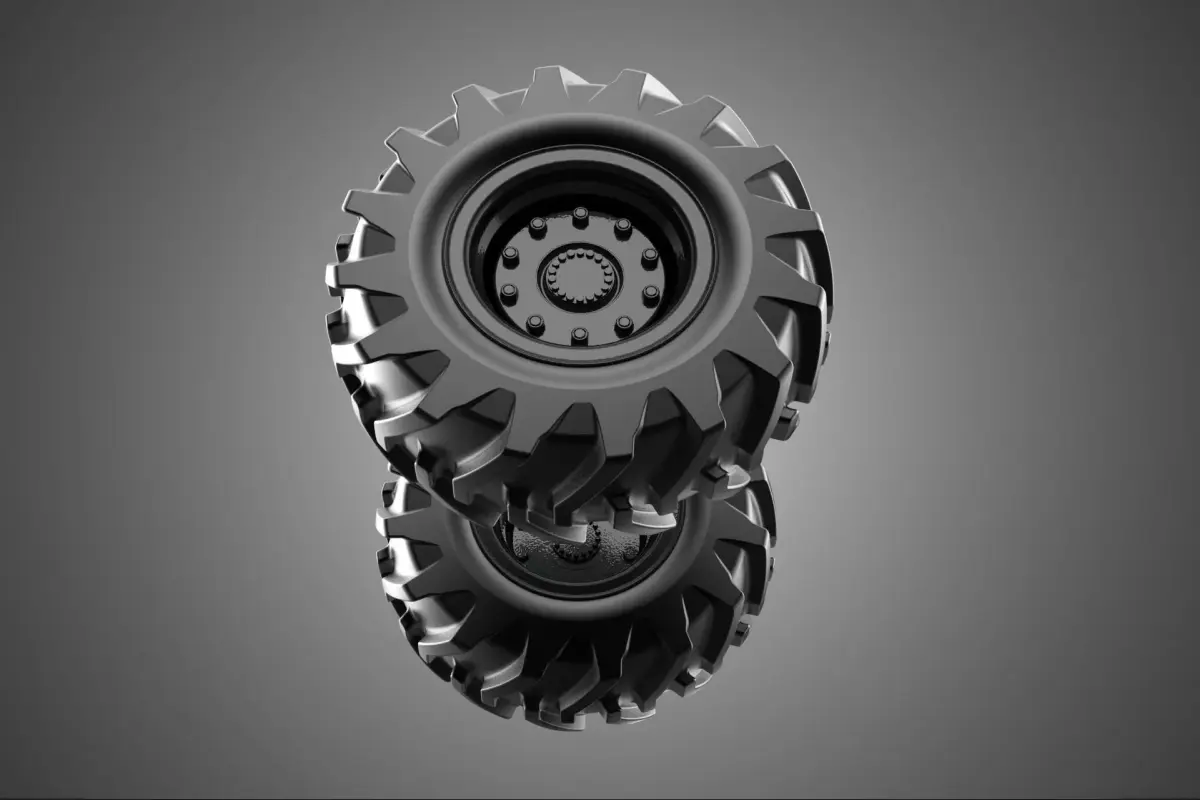
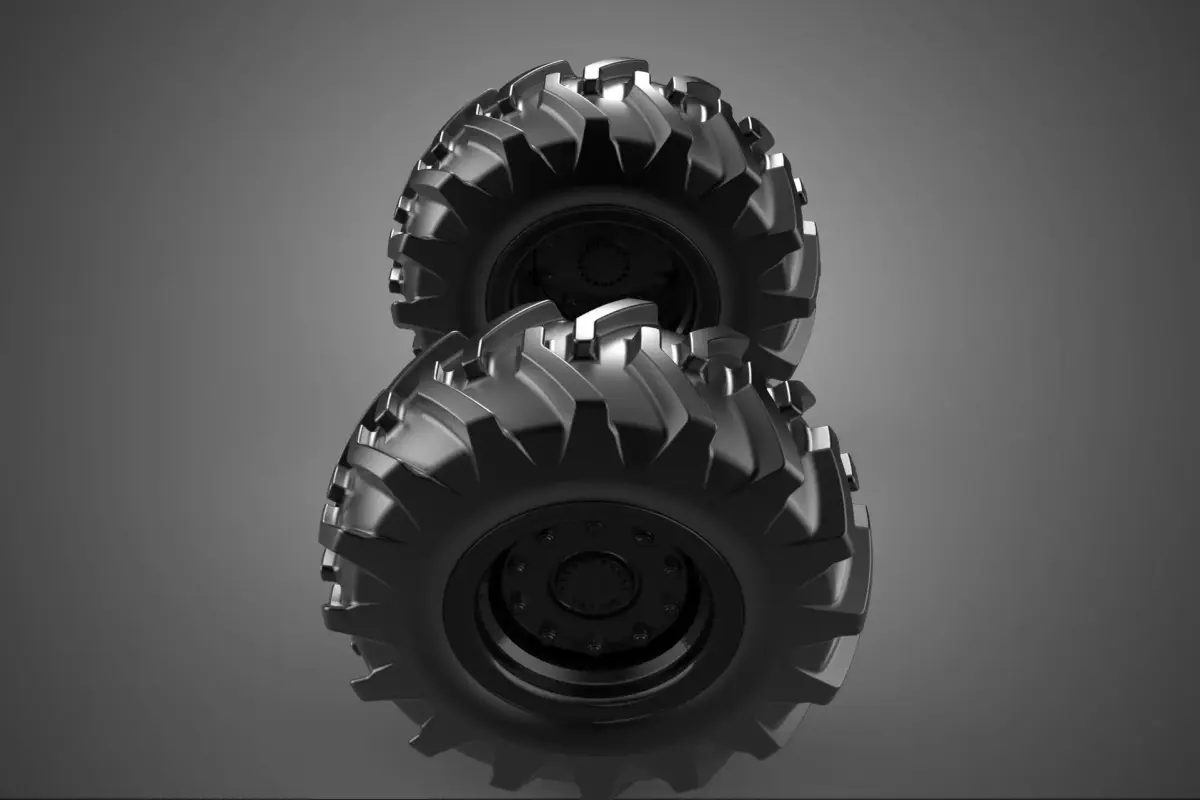
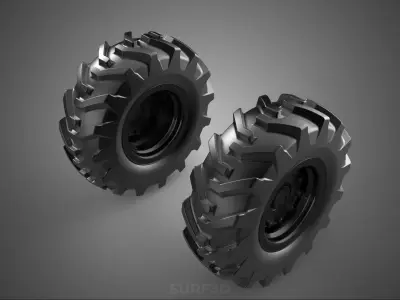
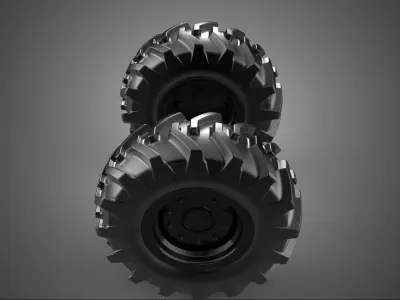
The running gear assembly, comprising the tire (or tyre), wheel, rim, and ancillary components, is a foundational element of mobility for wheeled tactical and logistical vehicles employed by mechanized forces, often historically referred to under the broad designation of Army or Panzer formations. While the term Panzer (German for armor) traditionally denotes tracked combat vehicles, wheeled platforms are essential for support, reconnaissance, infantry transport (Armored Personnel Carriers – APCs), and rapid deployment within modern armored divisions.
Nomenclature and Function
The tire is the resilient rubber or synthetic elastomeric component mounted on the rim which provides traction, cushioning, and load-bearing capacity. The wheel is the complete assembly, providing the rotational interface with the axle. Military specifications demand significantly higher performance metrics compared to civilian counterparts, prioritizing survivability, payload integrity, and cross-country mobility.
Engineering and Design Requirements
Military-grade tires and wheels are engineered to operate reliably under extreme conditions, including sustained heavy loads, high speeds on rough terrain, and exposure to hostile fire or explosive threats.
1. Payload Capacity and Construction: Military tires utilize extremely durable casings, frequently featuring high ply ratings (HPR) or steel-belted radial construction to manage the significant Gross Vehicle Weight (GVW) associated with ballistic armor plating and mission equipment. The materials are often customized synthetic rubber compounds resistant to chemical agents, fuel saturation, and extreme thermal ranges.
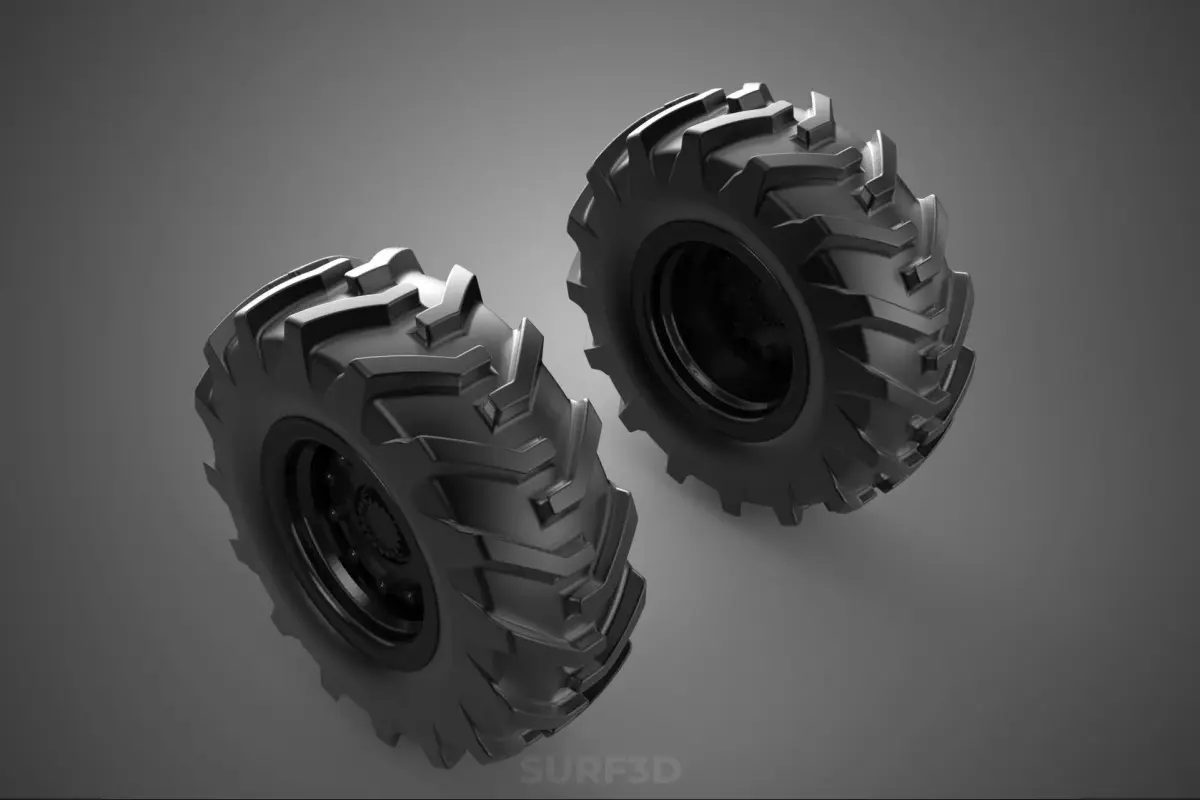
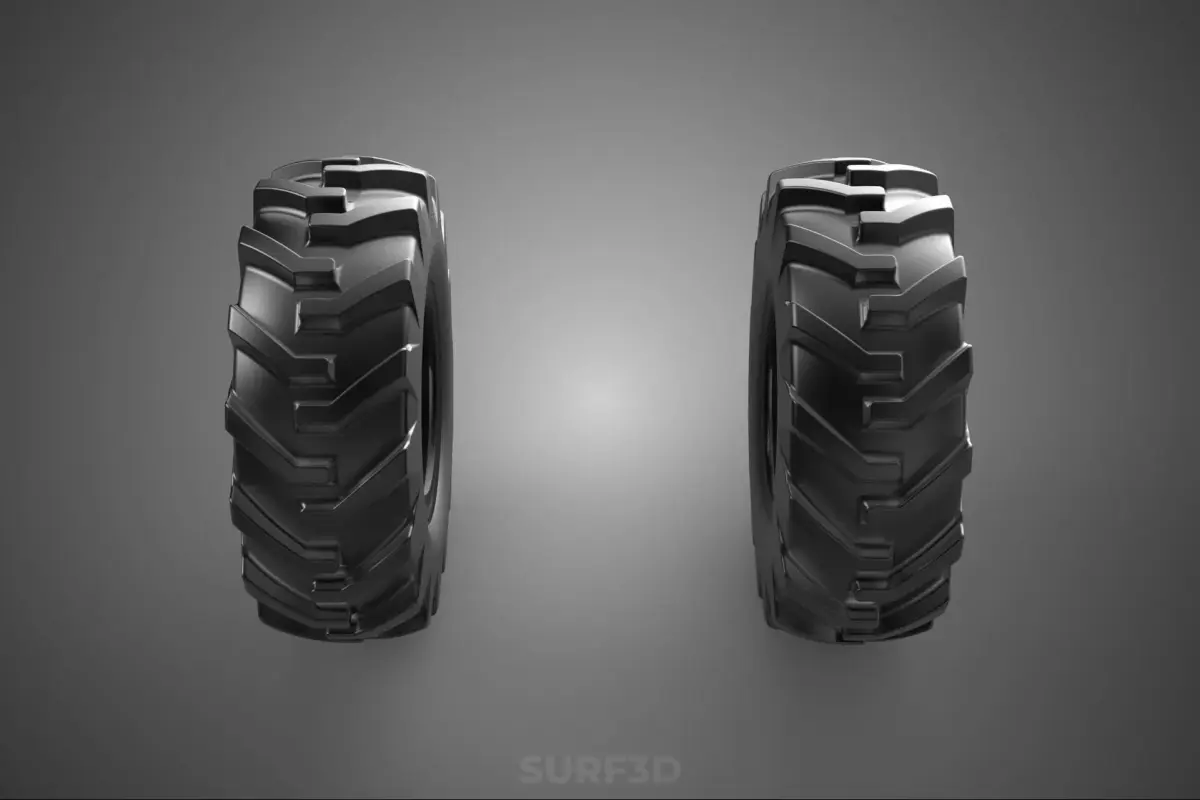
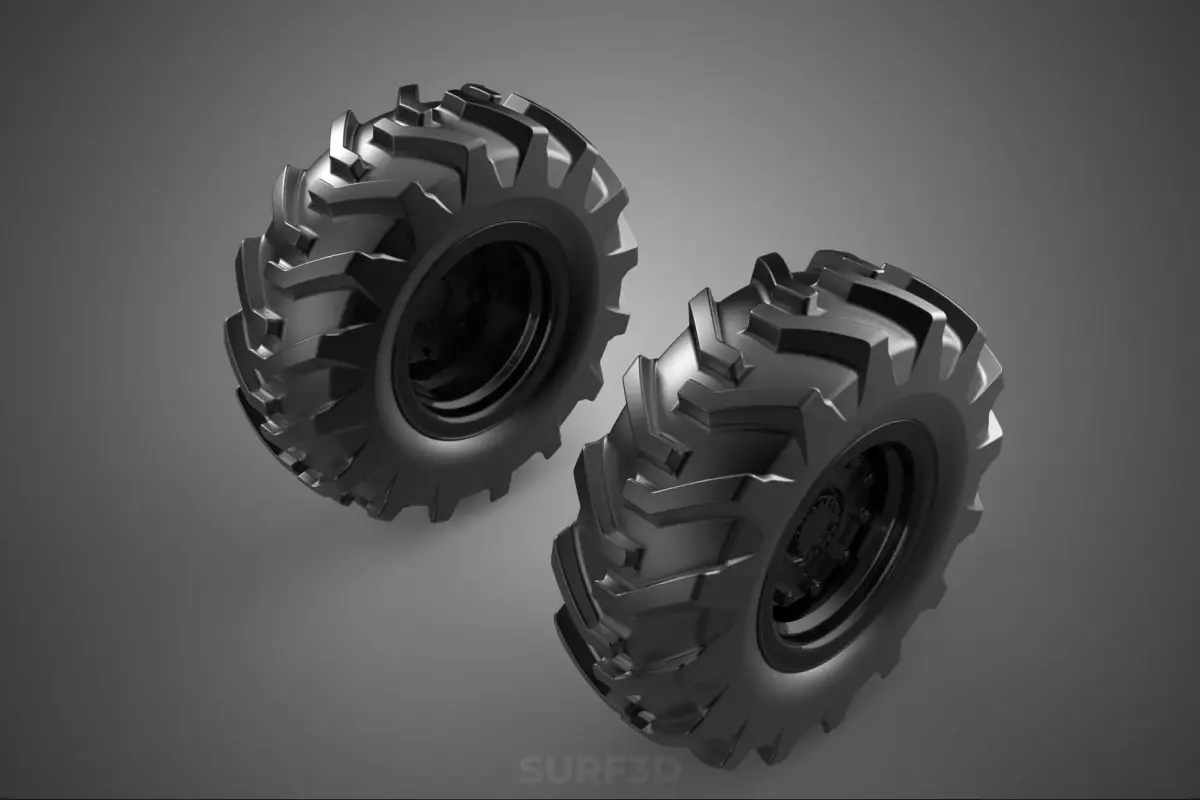
2. Mobility and Traction: Tread patterns are deep and aggressive, often designed for self-cleaning properties in mud or snow, ensuring maximum contact area and traction across varying ground conditions. A crucial innovation is the Central Tire Inflation System (CTIS), which allows the operator to dynamically adjust air pressure from the cabin. Lowering pressure increases the tire footprint, improving flotation on soft surfaces (sand, marshland), while raising pressure optimizes rolling resistance and speed on paved roads.
3. Survivability and Ballistic Resilience: A defining characteristic of tires used on armored tactical vehicles is the implementation of run-flat technology. This capability ensures that the vehicle can complete its mission or reach a safe location even after sustaining punctures or damage that results in the complete loss of air pressure.
- Internal Support Inserts: These are commonly integrated segmented rubber or hard plastic rings fitted around the rim, which support the vehicle’s weight directly when the tire deflates. These systems allow vehicles to travel dozens of kilometers at reduced speeds (e.g., 50 km/h) while flat.
- Self-Sealing Compounds: Some tires employ internal elastomeric coatings that automatically seal minor punctures caused by shrapnel or small arms fire.
### Wheel and Rim Specifications
The metallic rim must interface reliably with the tire and withstand high torque and lateral forces inherent to off-road maneuvering and high-speed tactical driving. Military rims are often robust, multi-piece designs, typically fabricated from high-strength steel alloys. In certain lightweight reconnaissance vehicles, specialized light alloys may be used to minimize unsprung mass, though durability remains paramount. The rim’s design must facilitate rapid field repair or replacement, a logistical imperative for maintaining operational readiness within a mechanized army.
### Application in Armored Formations
While tracked vehicles (e.g., Main Battle Tanks) remain the cornerstone of direct combat for armored divisions, wheeled platforms utilizing these specialized assemblies are indispensable for supporting logistics, command and control (C2), medical evacuation, and high-speed armored reconnaissance (e.g., the Stryker family of vehicles or the Boxer MRAV). The successful integration of robust wheel and tire technology ensures that these critical support elements maintain pace with the main combat units across the operational battlespace.
KEYWORDS: Tactical Mobility, Armored Vehicle, Central Tire Inflation System, CTIS, Run-Flat Technology, Military Logistics, High Ply Rating, HPR, Synthetic Rubber, Elastomer, Wheel Assembly, Rim Structure, Panzer Divisions, Mechanized Infantry, Wheeled APC, Ballistic Resilience, Off-Road Traction, Field Repair, Load Bearing, Running Gear, Steel Alloy, Tire Tread, Survivability, Suspension System, Ground Pressure, Stryker, Boxer MRAV, Support Vehicle, Puncture Resistance, High Torque.
STL (Stereolithography, filesize: 10.3 MB), OBJ (OBJ, filesize: 19.6 MB), MAX (Autodesk 3ds Max, filesize: 59.7 MB), 3DM (Rhinoceros 3D, filesize: 34.5 MB), DAE (Collada, filesize: 35.8 MB), SKP (Sketchup, filesize: 22.3 MB), GLTF (glTF, filesize: 6.82 MB), BLEND (Blender, filesize: 18.9 MB), DWG (AutoCAD, filesize: 18.3 MB), IGE (IGES, filesize: 20.1 MB), STP (STEP, filesize: 15 MB), FBX (Autodesk FBX, filesize: 7.18 MB), 3DS (3D Studio, filesize: 6.4 MB), SAT (3D ACIS, filesize: 37.7 MB)