High-quality 3D assets at affordable prices — trusted by designers, engineers, and creators worldwide. Made with care to be versatile, accessible, and ready for your pipeline.
Included File Formats
This model is provided in 14 widely supported formats, ensuring maximum compatibility:
• - FBX (.fbx) – Standard format for most 3D software and pipelines
• - OBJ + MTL (.obj, .mtl) – Wavefront format, widely used and compatible
• - STL (.stl) – Exported mesh geometry; may be suitable for 3D printing with adjustments
• - STEP (.step, .stp) – CAD format using NURBS surfaces
• - IGES (.iges, .igs) – Common format for CAD/CAM and engineering workflows (NURBS)
• - SAT (.sat) – ACIS solid model format (NURBS)
• - DAE (.dae) – Collada format for 3D applications and animations
• - glTF (.glb) – Modern, lightweight format for web, AR, and real-time engines
• - 3DS (.3ds) – Legacy format with broad software support
• - 3ds Max (.max) – Provided for 3ds Max users
• - Blender (.blend) – Provided for Blender users
• - SketchUp (.skp) – Compatible with all SketchUp versions
• - AutoCAD (.dwg) – Suitable for technical and architectural workflows
• - Rhino (.3dm) – Provided for Rhino users
Model Info
• - All files are checked and tested for integrity and correct content
• - Geometry uses real-world scale; model resolution varies depending on the product (high or low poly)
• • - Scene setup and mesh structure may vary depending on model complexity
• - Rendered using Luxion KeyShot
• - Affordable price with professional detailing
Buy with confidence. Quality and compatibility guaranteed.
If you have any questions about the file formats, feel free to send us a message — we're happy to assist you!
Sincerely,
SURF3D
Trusted source for professional and affordable 3D models.
More Information About 3D Model :
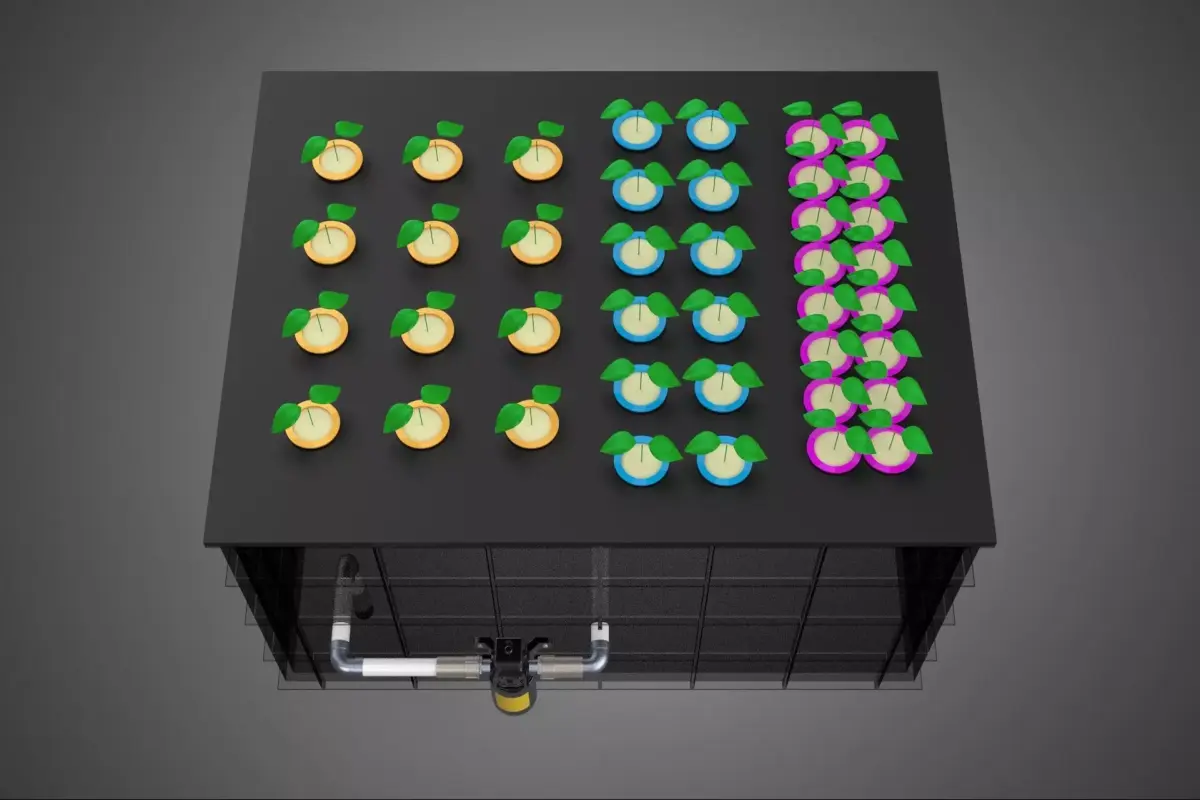
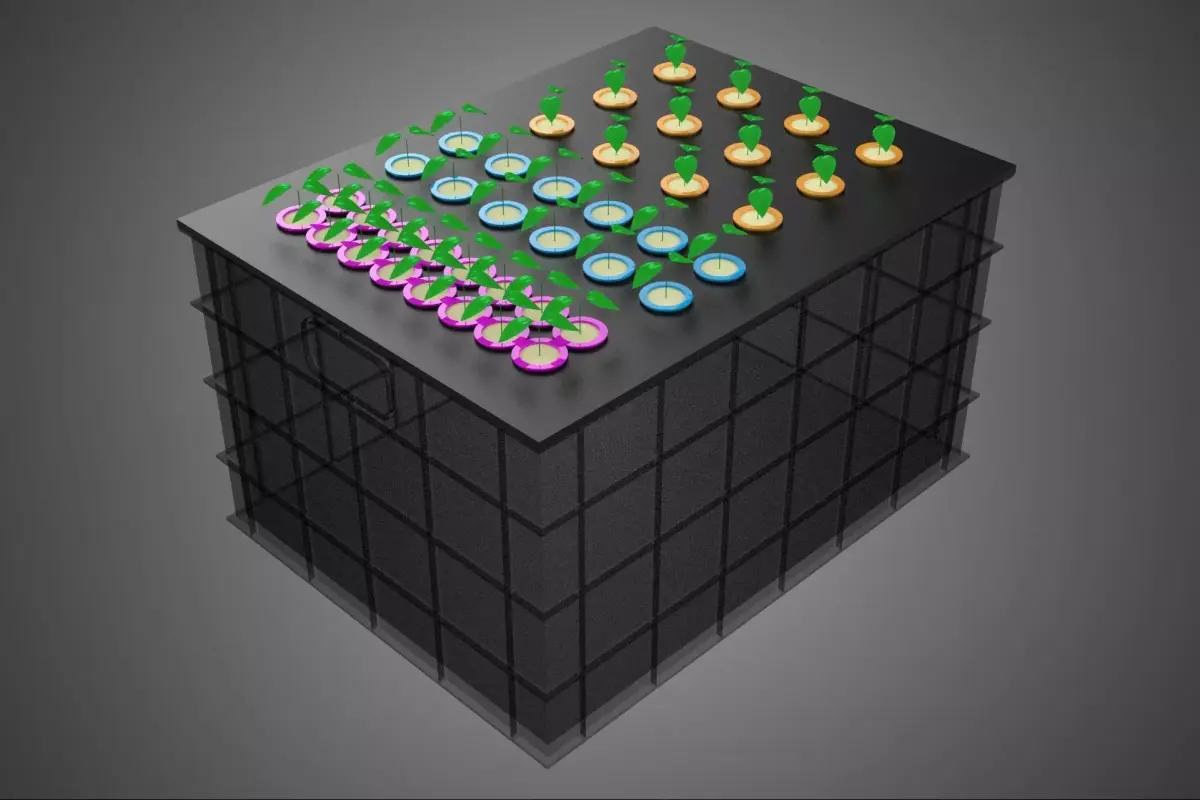
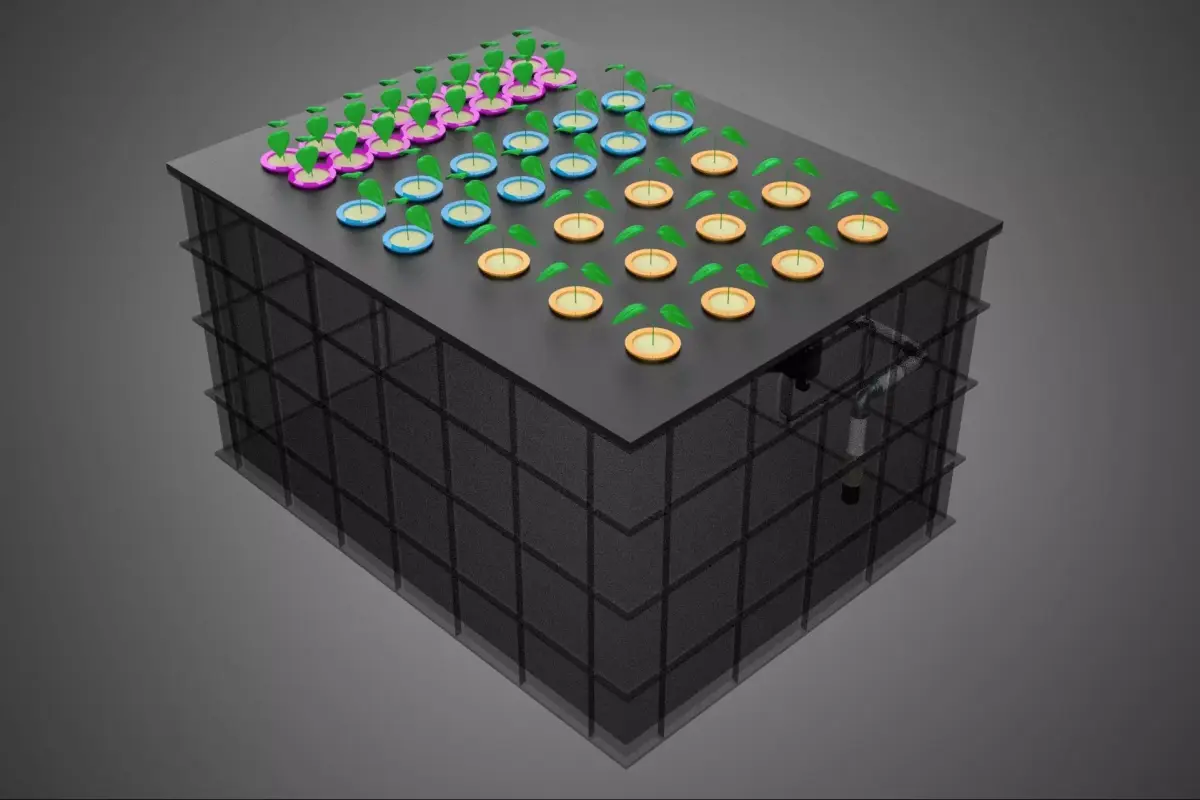
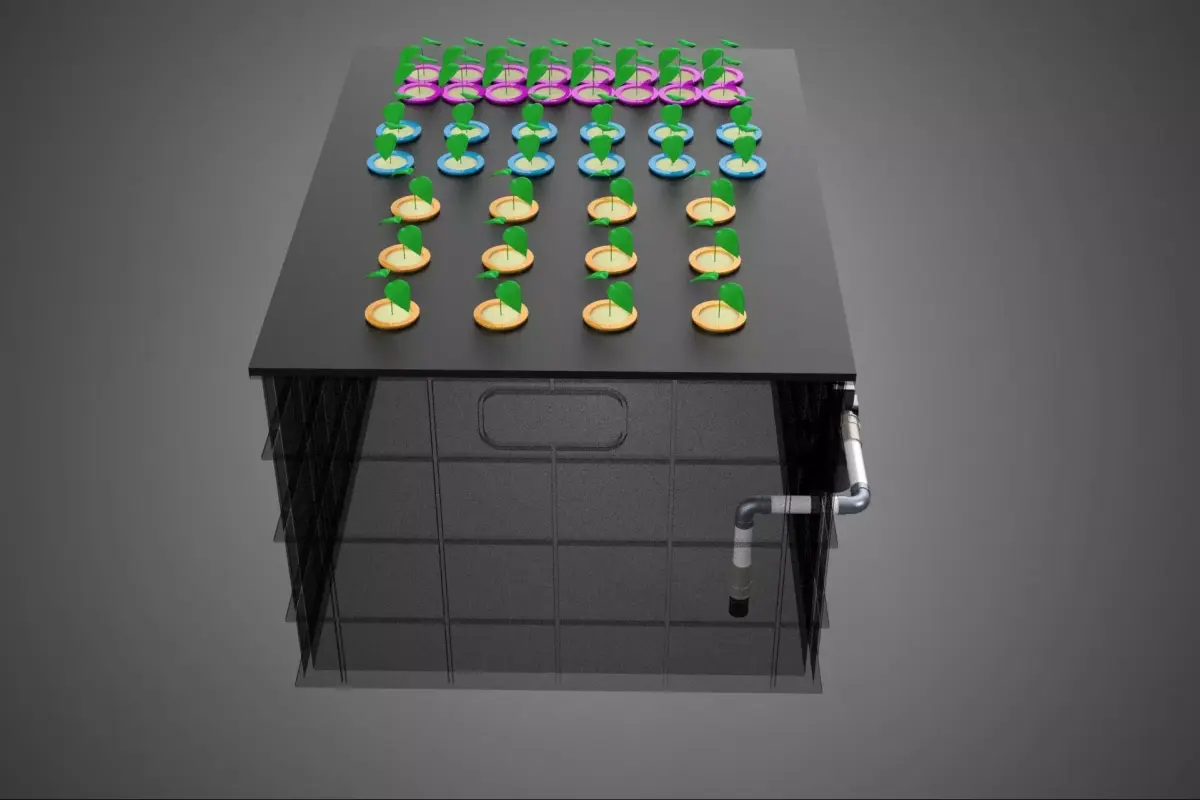
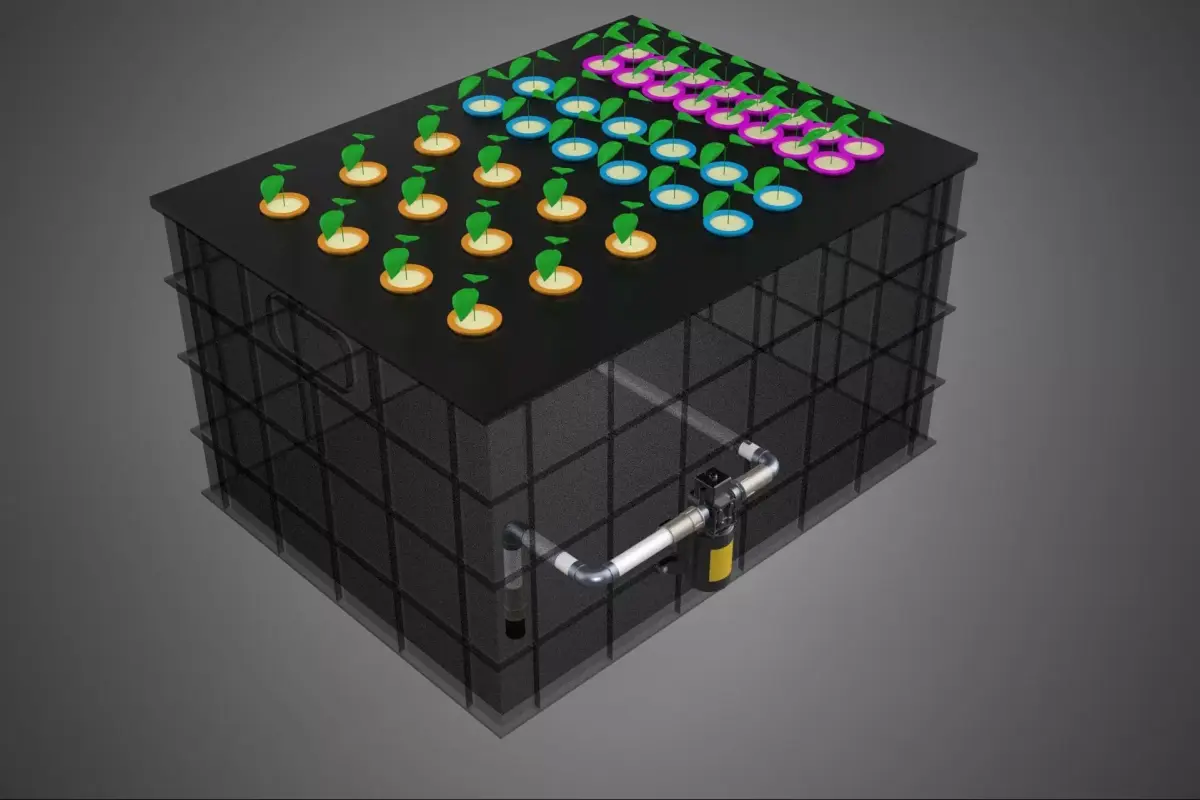
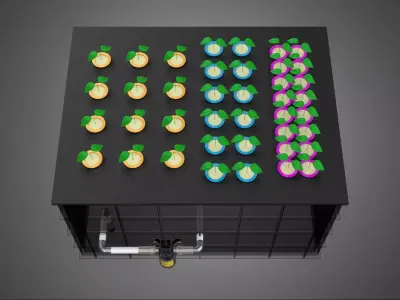
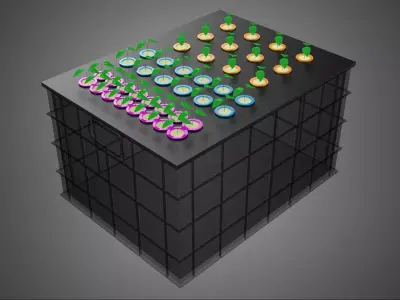
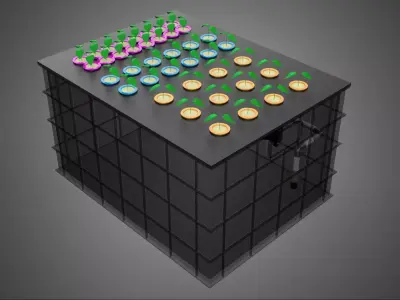
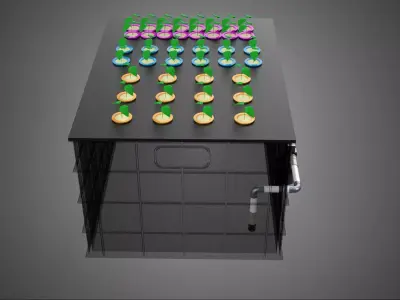
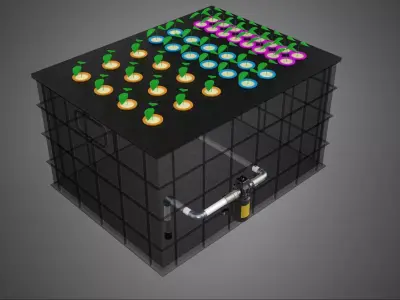
The Automatic Aeroponic Clone Station Plant Spray Cloning Kit is a specialized horticultural apparatus designed for the efficient and accelerated vegetative propagation of plant specimens. This system utilizes advanced aeroponic technology to facilitate the production of genetically identical clones (cuttings) without the necessity of traditional rooting media such as soil, rockwool, or coco coir. The designation Automatic refers to the integration of programmed controls governing the delivery of nutrient solution and environmental conditions.
I. Principles of Operation
The core function relies upon high-pressure aeroponics, where the plant cuttings are suspended in air within an enclosed, light-proof propagation chamber. The basal ends of the stems are positioned within this environment, secured typically by inert neoprene inserts, allowing for unrestricted exposure to the atmosphere.
The system features a centralized reservoir containing a sterilized, pH-balanced nutrient solution. An electronic pump, often regulated by a digital cycle timer, draws the solution through a pressurized manifold and discharges it via high-quality micro-spray nozzles. These nozzles atomize the liquid into an ultra-fine aerosol mist, typically composed of droplets measuring between 5 and 50 micrometers. This mist is sprayed directly onto the developing callus tissue and basal nodes of the cuttings at precise, intermittent intervals.
This methodology is crucial for maximizing oxygen availability to the root initiation zone. Unlike traditional hydroponics where roots are submerged (deep water culture), aeroponics ensures that the cuttings receive high concentrations of dissolved oxygen (DO) during the dry intervals, which is essential for rapid cell division, differentiation, and subsequent root elongation. The automated cycle manages the delicate balance required for hydration without inducing anaerobic conditions (waterlogging).
II. Components and Design Features
A standard Automatic Aeroponic Clone Station comprises several critical integrated components:
- The Reservoir: A light-proof container designed to store the nutrient solution, preventing algal growth and maintaining solution stability.
- The Pump and Manifold: A submersible pump connected to rigid piping (the manifold) that distributes the solution to multiple spray nozzles arranged to ensure comprehensive coverage of all suspended cuttings.
- Neoprene Collars/Inserts: Used to secure the cuttings upright in the station lid, preventing displacement and blocking light entry into the chamber. Neoprene is favored for its sterility and ability to maintain structural integrity.
- Spray Nozzles (Misters): Precision components engineered to create a uniform, fine aerosol fog optimized for root nutrient uptake. The term Spray Cloning directly refers to the use of this fine mist delivery method.
- Automation System (Timer): A dedicated digital or electromechanical timer that controls the on/off cycling of the pump. Optimal rooting schedules often involve short bursts (e.g., 5 seconds ON) followed by long rest periods (e.g., 5 minutes OFF) to promote oxygen uptake and prevent over-saturation.
- Propagation Chamber Lid: Often designed to maintain a high humidity dome effect above the cuttings' foliage while their stems are exposed to the root-misting zone below.
### III. Horticultural Advantages
The adoption of automatic aeroponic cloner kits offers several advantages over traditional propagation methods:
- Accelerated Rooting: Cuttings typically demonstrate faster callus initiation and root emergence due to superior oxygen access and consistent nutrient delivery. Rooting times are frequently reduced by 30% to 50%.
- Reduced Pathogen Risk: The absence of a solid growing medium eliminates the risk of substrate-borne diseases (e.g., fungal gnats, Pythium) often associated with peat moss or soil blocks.
- Optimal Nutrient Utilization: Nutrients are delivered directly and efficiently to the required tissues, minimizing waste and maximizing uptake.
- Uniformity: The automated cycling ensures that every cutting receives the identical nutrient exposure, leading to highly uniform results across the batch.
The Automatic Aeroponic Clone Station represents a high-tech solution in controlled environment agriculture (CEA), optimizing the early stages of plant lifecycle management.
KEYWORDS: Aeroponics, Cloning, Propagation, Vegetative propagation, Horticulture, Cloner, Misting, Nutrient film technique, Root initiation, Callus, Automation, Hydroponics, Spray cloning, Micro-nozzles, Plant science, Controlled environment agriculture, Submersible pump, Rooting success, Sterile environment, Oxygenation, Cycle timer, Plant cuttings, Manifold, Propagation chamber, Plant tissue culture, Neoprene collar, Reservoir, Aerosol, High-pressure aeroponics, Accelerated growth.
STL (Stereolithography, filesize: 17.4 MB), OBJ (OBJ, filesize: 35.3 MB), BLEND (Blender, filesize: 32.2 MB), GLTF (glTF, filesize: 10.7 MB), FBX (Autodesk FBX, filesize: 11.7 MB), DAE (Collada, filesize: 57.7 MB), DWG (AutoCAD, filesize: 10.6 MB), 3DS (3D Studio, filesize: 10.4 MB), 3DM (Rhinoceros 3D, filesize: 41 MB), SKP (Sketchup, filesize: 20.9 MB), MAX (Autodesk 3ds Max, filesize: 70.2 MB), STP (STEP, filesize: 18.2 MB), IGE (IGES, filesize: 31.9 MB), SAT (3D ACIS, filesize: 33.3 MB)