Description
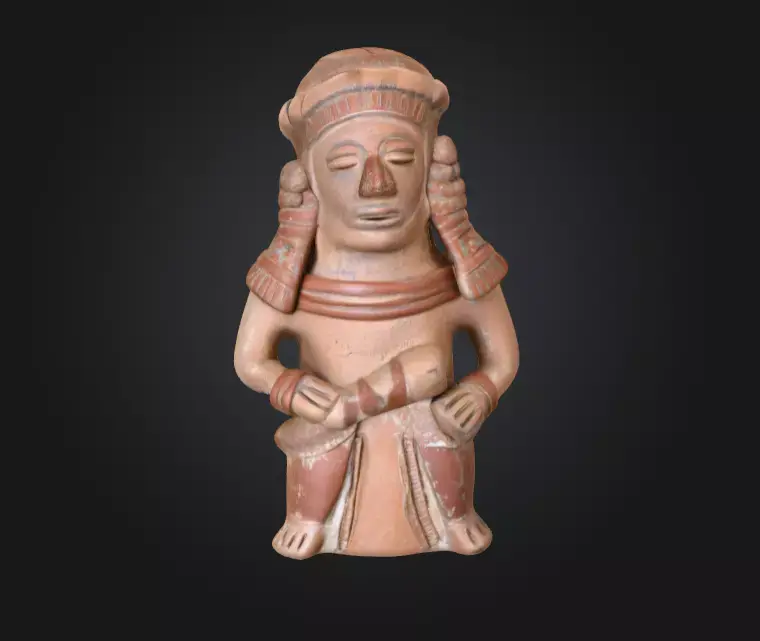
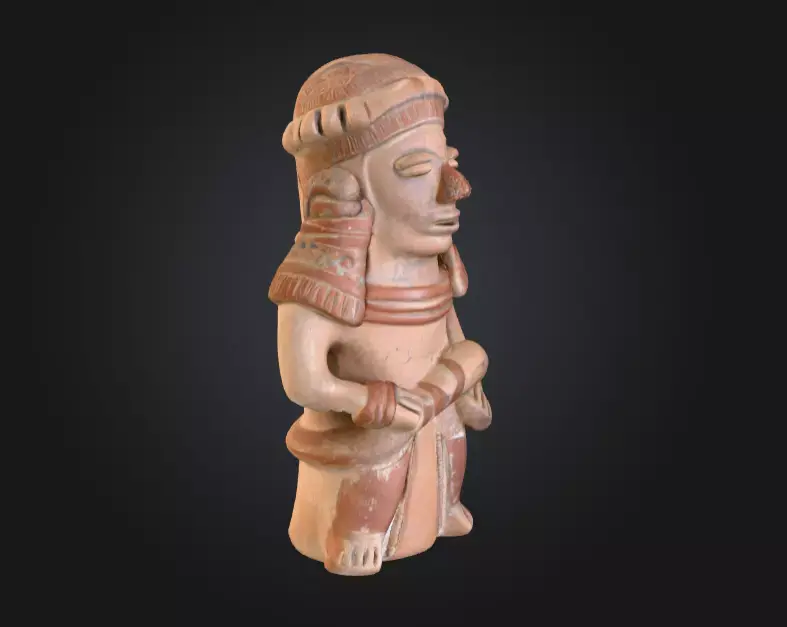
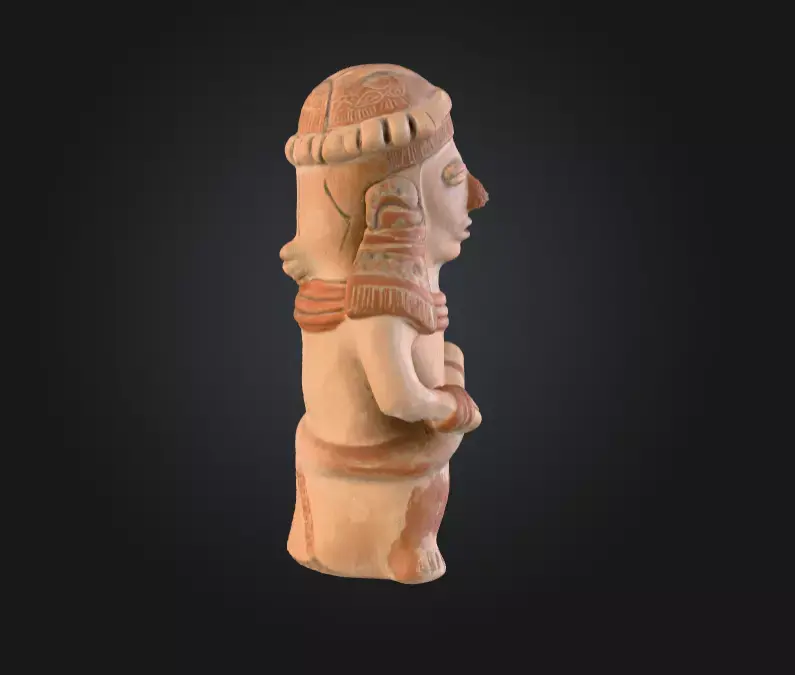
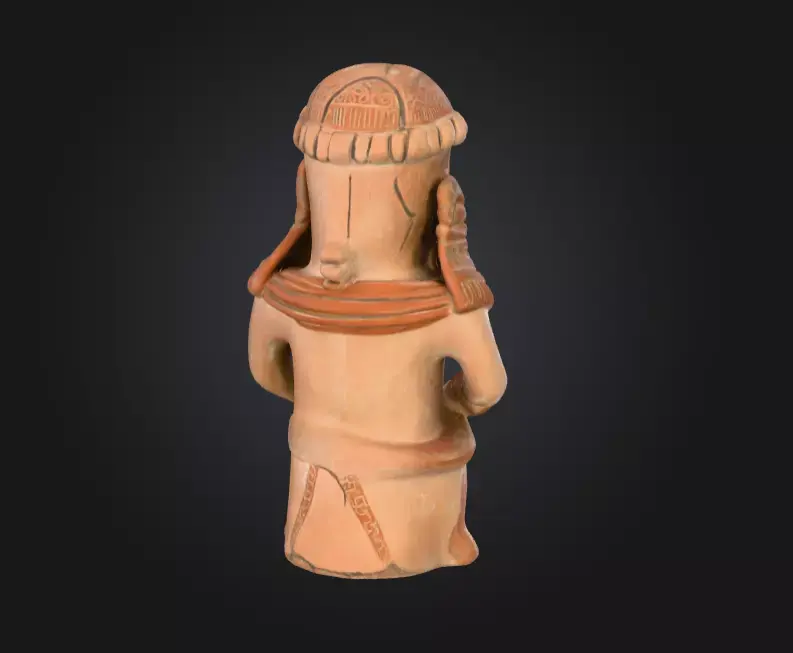
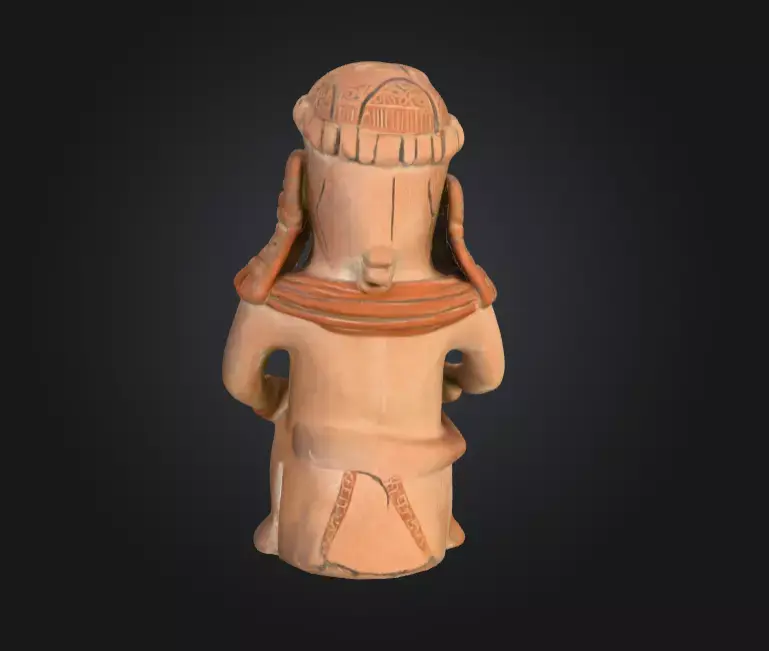
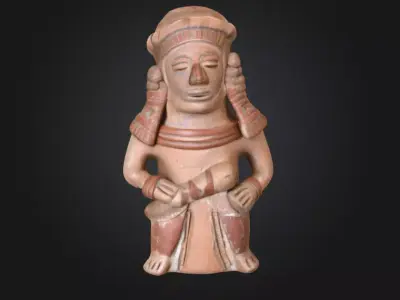
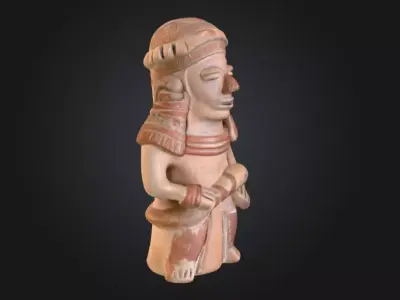
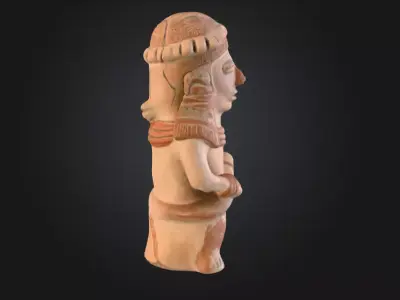
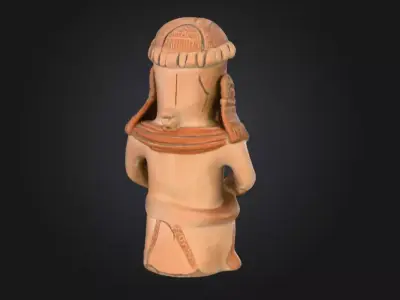
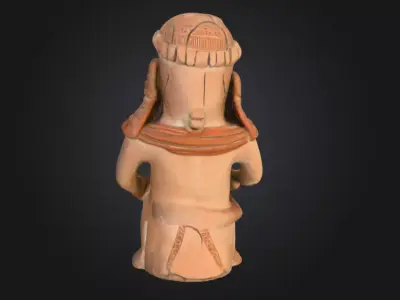
The Aztec Sculpture is a commanding representation of one of the most powerful and enigmatic civilizations in Mesoamerican history. Crafted with intricate detail, this piece echoes the artistry, symbolism, and spiritual depth that defined the Aztec Empire. Characterized by bold geometric lines, stylized faces, and elaborate motifs, the sculpture embodies both ritualistic significance and cultural expression. Every surface is carved with purpose—whether depictions of gods, warriors, animals, or celestial symbols—reflecting the Aztec worldview where religion, nature, and cosmic balance were inseparably intertwined.
Made from stone, obsidian, or clay-like textures, the sculpture exudes a sense of permanence and reverence. Its proportions often lean toward exaggerated features—wide eyes, fierce expressions, or dramatic headpieces—designed to inspire awe and convey spiritual power. Many Aztec sculptures served ritual roles: honoring deities like Huitzilopochtli, Quetzalcoatl, or Tlaloc, marking sacred altars, or commemorating significant ceremonies tied to agriculture, warfare, or sacrifice. This piece, whether small and votive or monumental in design, carries that same aura of mysticism and divine reverence.
Thematically, the Aztec Sculpture stands as a testament to the civilization’s mastery of symbolism and craftsmanship. It is not just an artifact of decoration but a window into their cosmology—where every carving, glyph, or facial detail carried meaning. It reminds viewers of the cyclical nature of time, the sacred duty to the gods, and the profound artistic sophistication of the Aztec people. In modern contexts, the sculpture functions as both a historical relic and a cultural emblem, inspiring fascination with an empire that balanced beauty, ritual, and ferocity.