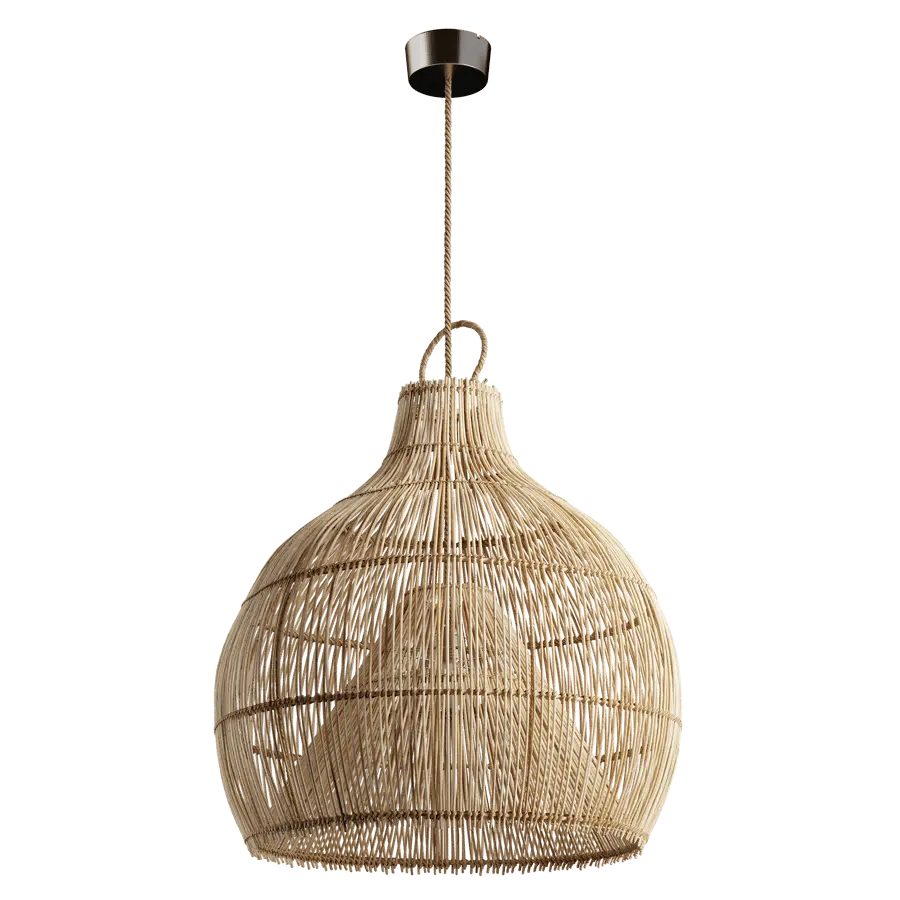
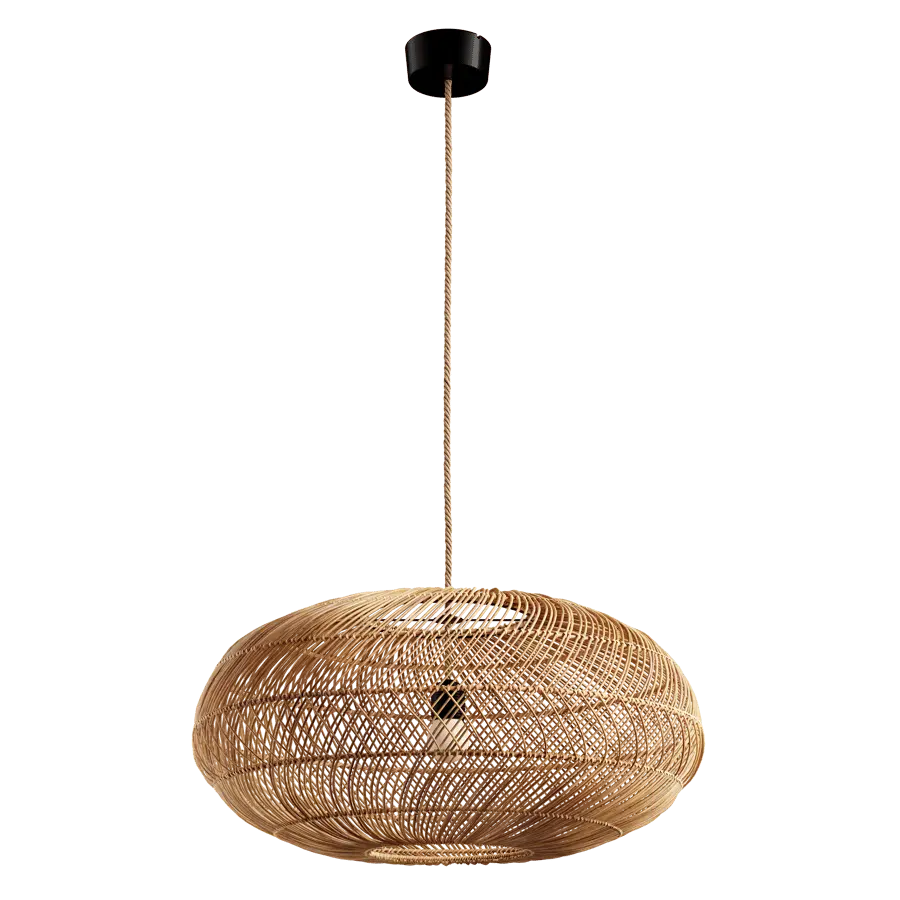
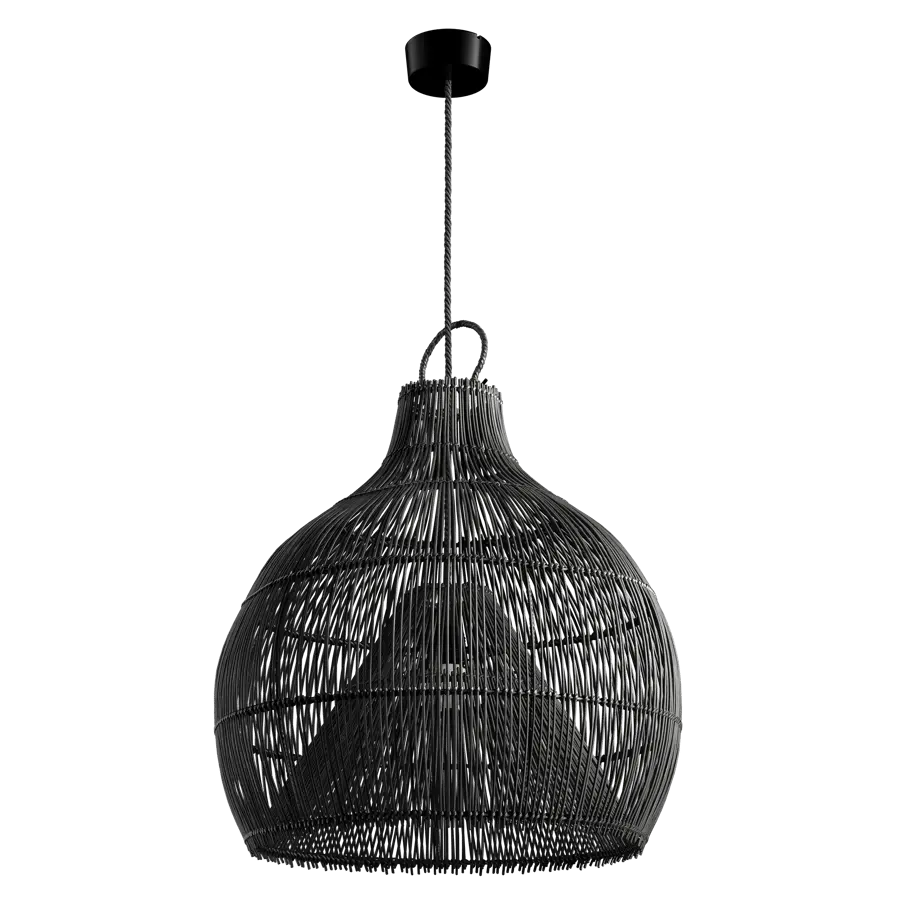
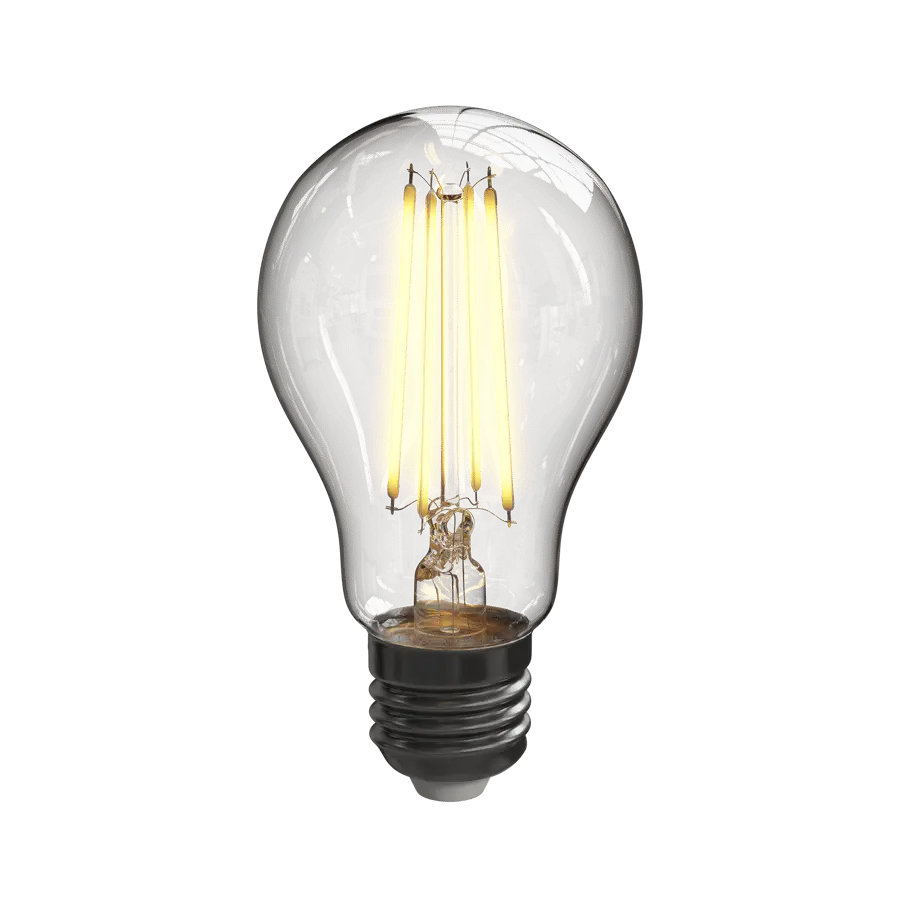
High-quality 3D assets at affordable prices — trusted by designers, engineers, and creators worldwide. Made with care to be versatile, accessible, and ready for your pipeline.
Included File Formats
This model is provided in 14 widely supported formats, ensuring maximum compatibility:
• - FBX (.fbx) – Standard format for most 3D software and pipelines
• - OBJ + MTL (.obj, .mtl) – Wavefront format, widely used and compatible
• - STL (.stl) – Exported mesh geometry; may be suitable for 3D printing with adjustments
• - STEP (.step, .stp) – CAD format using NURBS surfaces
• - IGES (.iges, .igs) – Common format for CAD/CAM and engineering workflows (NURBS)
• - SAT (.sat) – ACIS solid model format (NURBS)
• - DAE (.dae) – Collada format for 3D applications and animations
• - glTF (.glb) – Modern, lightweight format for web, AR, and real-time engines
• - 3DS (.3ds) – Legacy format with broad software support
• - 3ds Max (.max) – Provided for 3ds Max users
• - Blender (.blend) – Provided for Blender users
• - SketchUp (.skp) – Compatible with all SketchUp versions
• - AutoCAD (.dwg) – Suitable for technical and architectural workflows
• - Rhino (.3dm) – Provided for Rhino users
Model Info
• - All files are checked and tested for integrity and correct content
• - Geometry uses real-world scale; model resolution varies depending on the product (high or low poly)
• • - Scene setup and mesh structure may vary depending on model complexity
• - Rendered using Luxion KeyShot
• - Affordable price with professional detailing
Buy with confidence. Quality and compatibility guaranteed.
If you have any questions about the file formats, feel free to send us a message — we're happy to assist you!
Sincerely,
SURF3D
Trusted source for professional and affordable 3D models.
More Information About 3D Model :
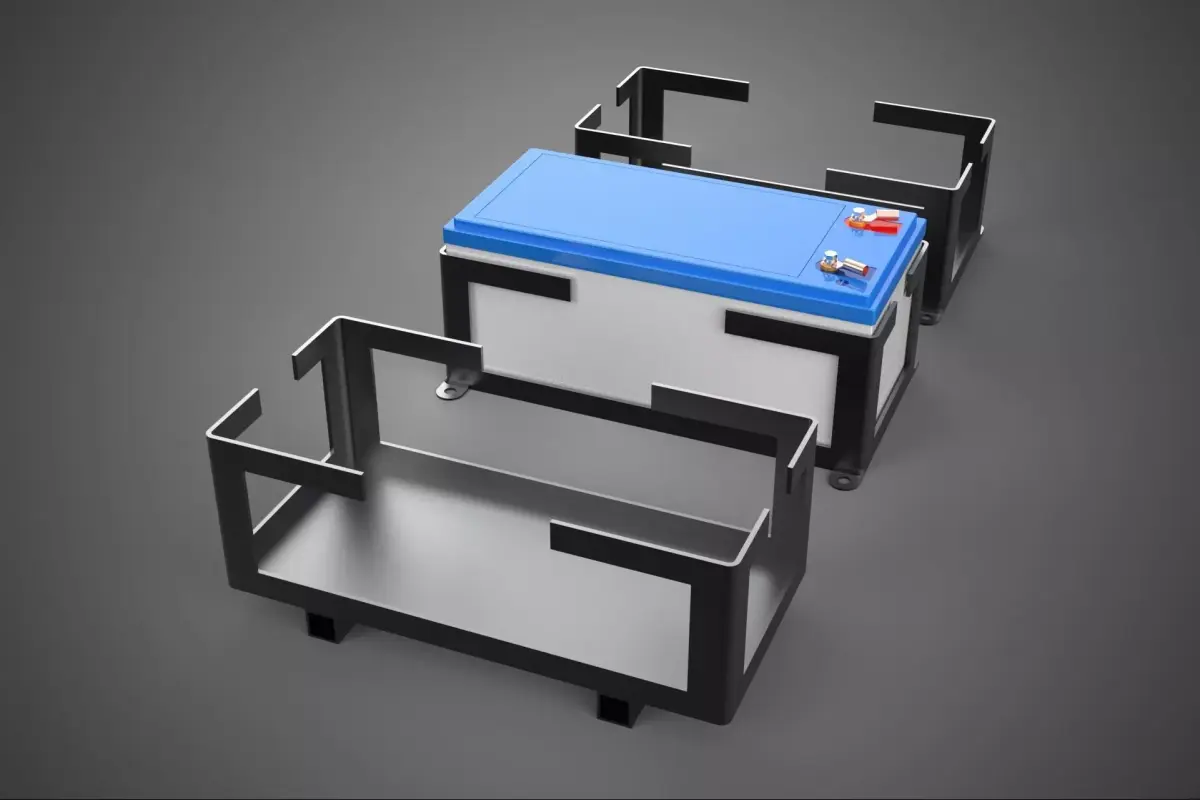
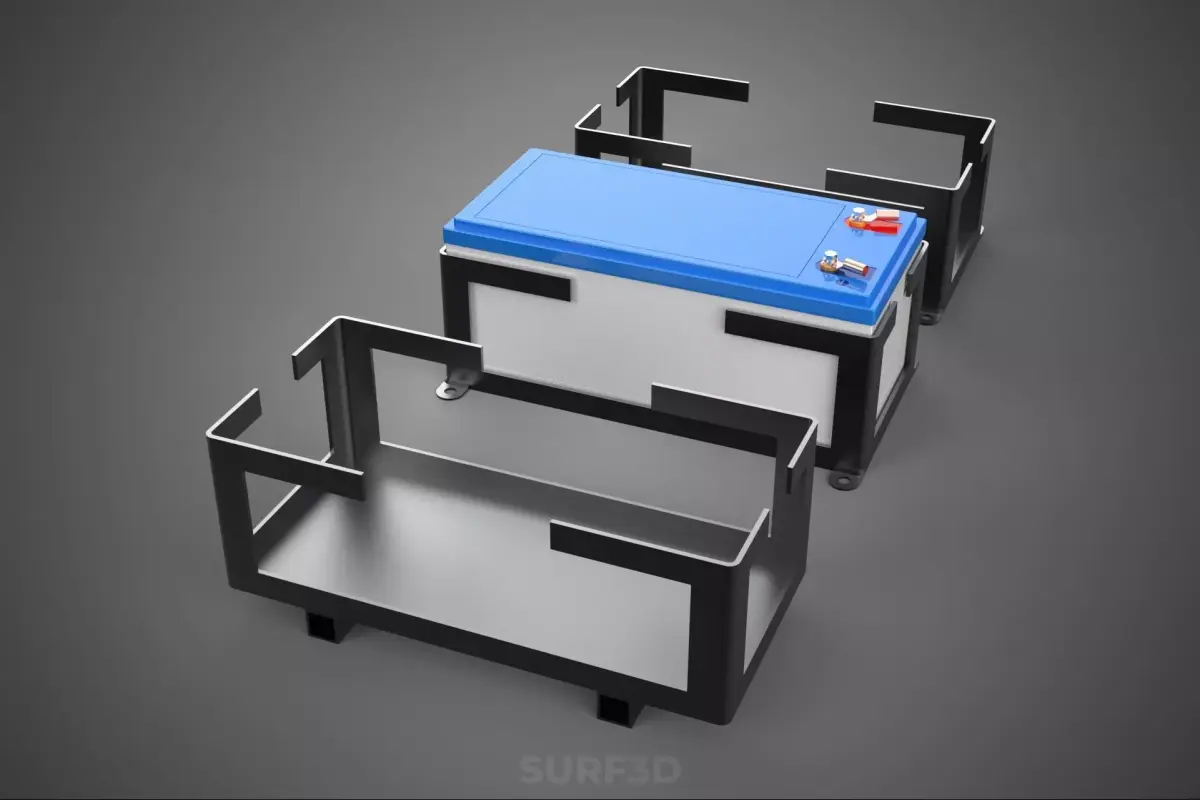
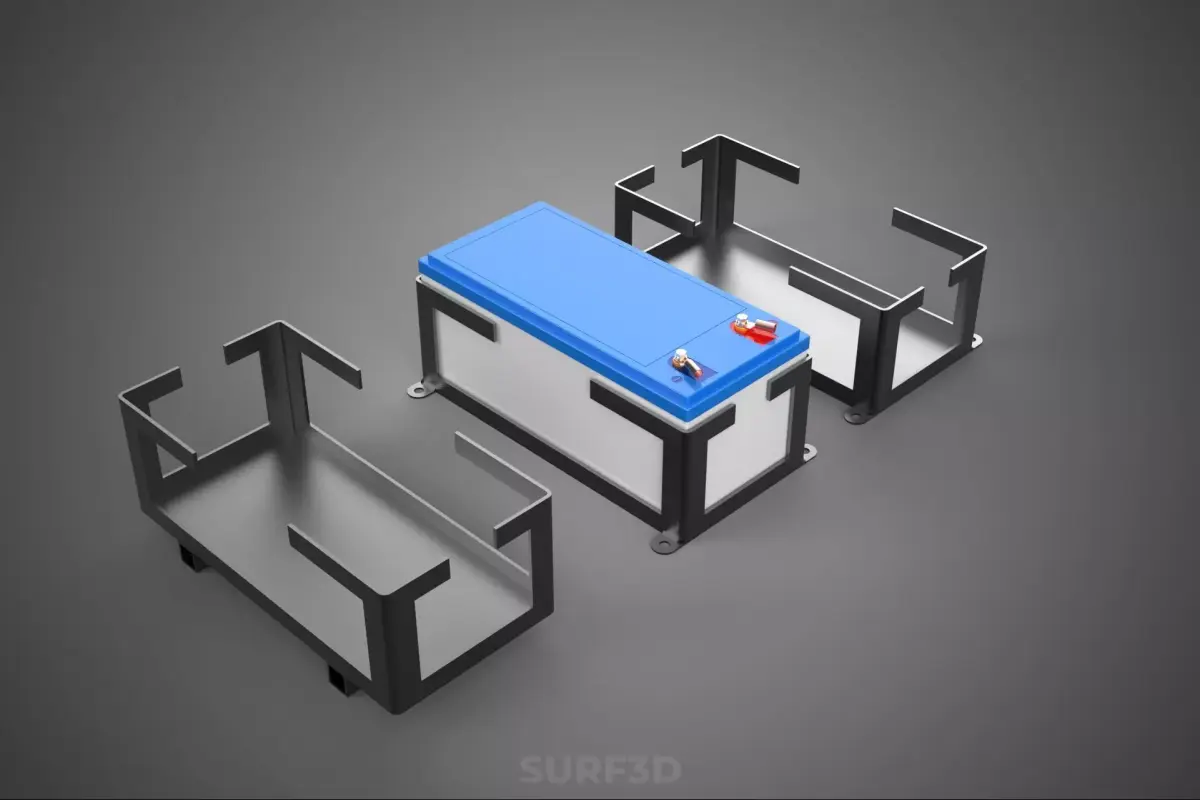
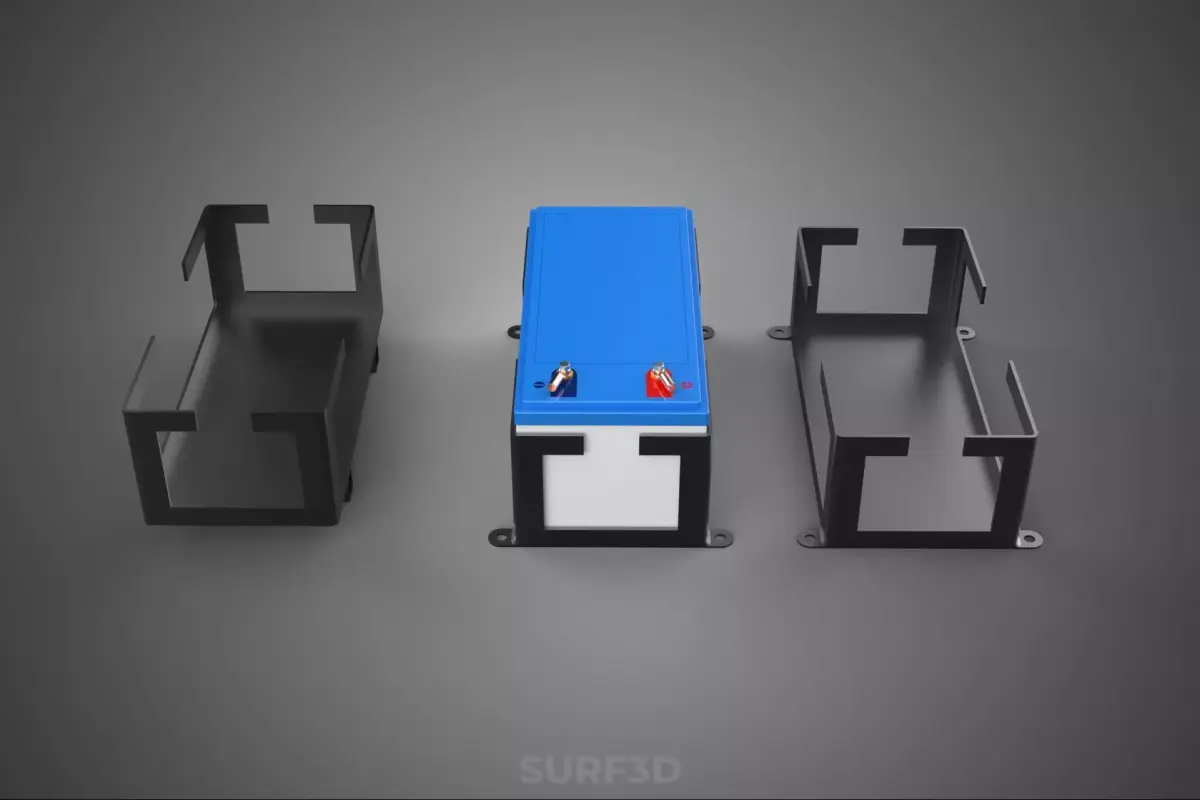
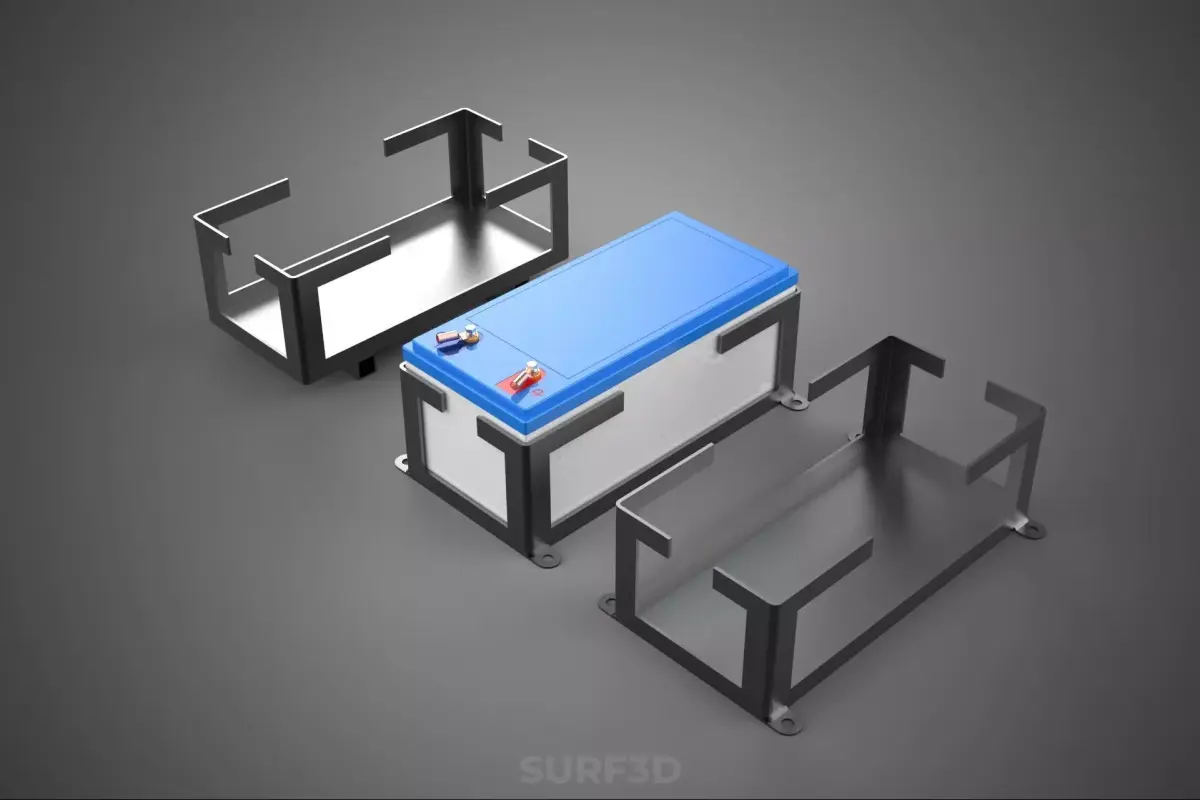
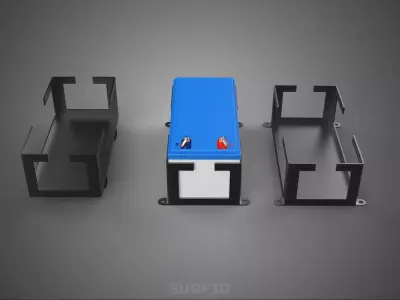
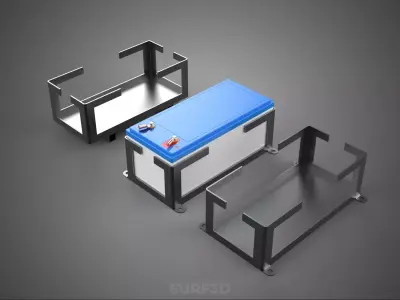
The term Bracket Battery Housing Frame Accu Casing Holder Mount Mounting refers collectively to a specialized, engineered structural component designed to physically contain, secure, and integrate an electrochemical energy storage device (battery or accumulator, abbreviated 'Accu') within a larger electronic, mechanical, or vehicle system. This component serves as the critical interface between the energy source and the host platform, ensuring mechanical stability, environmental protection, and often contributing to thermal and electrical management.
Nomenclature and Definition
The multiplicity of terms in the title (Bracket, Housing, Frame, Casing, Holder, Mount) reflects the component’s varied functional roles and specific configurations depending on the application.
- Housing/Casing: Refers to the protective external shell providing ingress protection (IP) against dust, moisture, and chemical agents.
- Frame/Bracket: Denotes the primary load-bearing structure, often integrated into the host system’s chassis, designed to withstand mechanical shock and vibration.
- Holder/Mounting: Indicates the mechanism facilitating easy installation, secure retention, and potential removal or interchangeability of the battery unit.
In engineering contexts, this system is often termed a Battery Module Enclosure (BME) or Battery Pack Retention Structure (BPRS).
### Functional Requirements and Design Objectives
The primary objective of the battery housing frame is to maintain the structural and electrical integrity of the battery unit throughout its operational lifecycle.
- Mechanical Stabilization: The frame must securely fix the battery cells or modules, preventing movement under dynamic loads (vibration, acceleration, impact). This is particularly crucial in transportation sectors (automotive, aerospace) where crash standards and rigorous testing protocols apply.
- Environmental Protection: The casing provides a sealed barrier protecting sensitive internal components (cells, wiring, Battery Management System (BMS)) from extreme temperatures, humidity, corrosive elements, and physical intrusion.
- Thermal Management Integration: For high-power applications (e.g., electric vehicles, industrial robotics), the housing often incorporates internal channels, heat sinks, or mounting points for active cooling systems (liquid coolant circulation) or passive thermal insulation, ensuring the battery operates within its optimal temperature range to maximize longevity and prevent thermal runaway.
- Electrical Isolation and Safety: The frame utilizes dielectric materials or protective coatings to prevent short circuits between cells and the metallic chassis of the host system. It must also comply with safety standards (e.g., UL, IEC) regarding fire resistance and containment in the event of cell failure.
### Materials and Construction
The material selection is dictated by required strength-to-weight ratio, thermal properties, and cost.
- Metals: Aluminum alloys (for lightweight structural rigidity and excellent heat dissipation) and stamped steel (for robustness and low cost) are common, especially in heavy-duty or high-voltage applications.
- Plastics: High-performance engineered polymers such as Acrylonitrile Butadiene Styrene (ABS), Polycarbonate (PC), and various polyamides are frequently used in consumer electronics and small-to-medium modules due to their moldability, electrical insulation properties, and chemical resistance. Specialized plastics, often fiber-reinforced, are used for fire resistance.
- Composite Materials: Carbon fiber or fiberglass-reinforced polymers are utilized in high-performance or weight-sensitive applications (e.g., aerospace, motorsports) where exceptional rigidity and minimal mass are required.
Construction methodologies typically include injection molding (for plastic components), stamping (for metal brackets), and welding/fastening for assembled frames. Modern designs increasingly favor modular, often tool-less, mounting systems utilizing proprietary latches, slide rails, or quick-release fasteners.
### Applications
The battery housing frame is a foundational element across virtually all fields utilizing rechargeable power sources:
| Application Sector | Typical Configuration | Key Requirements |
| :--- | :--- | :--- |
| Consumer Electronics | Integrated or removable plastic casings with snap-fit holders. | Light weight, aesthetic integration, ease of access (if removable). |
| Electric Vehicles (EV) | Large, structural aluminum or steel frames housing dozens of modules. | High structural strength, crash protection, integrated liquid cooling paths, sealed ingress protection. |
| Industrial/Military | Ruggedized, often sealed metal enclosures with specialized gaskets. | Extreme shock absorption, wide operating temperature range, military standards compliance (MIL-SPEC). |
| Energy Storage Systems (ESS) | Rack-mounted modular frames for stationary power grids. | Scalability, standardized dimensions, passive or forced air cooling compatibility. |
KEYWORDS: Battery Management System, Energy Storage, Accumulator, Module Enclosure, Structural Integrity, Thermal Management, Vibration Damping, Shock Resistance, IP Rating, Dielectric Strength, Stamping, Injection Molding, Polymer, Aluminum Alloy, Crash Safety, Lithium-ion, Casing Design, Fastening Mechanism, Chassis Integration, Rack Mount, Mounting Bracket, Cell Holder, Retention Frame, Electrical Isolation, Fire Resistance, EV Battery Pack, Modular Design, High Voltage System, Quick Release, Gasket Sealing.
STL (Stereolithography, filesize: 788 KB), OBJ (OBJ, filesize: 1.39 MB), SKP (Sketchup, filesize: 878 KB), STP (STEP, filesize: 1.01 MB), 3DM (Rhinoceros 3D, filesize: 2.62 MB), FBX (Autodesk FBX, filesize: 556 KB), BLEND (Blender, filesize: 2.08 MB), GLTF (glTF, filesize: 567 KB), MAX (Autodesk 3ds Max, filesize: 3.84 MB), IGE (IGES, filesize: 2.03 MB), SAT (3D ACIS, filesize: 1.01 MB), DWG (AutoCAD, filesize: 1.01 MB), 3DS (3D Studio, filesize: 511 KB), DAE (Collada, filesize: 2.6 MB)