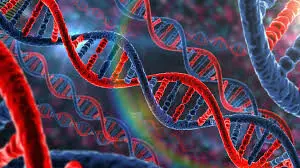
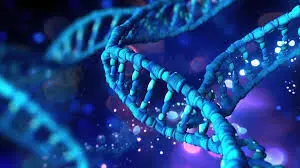
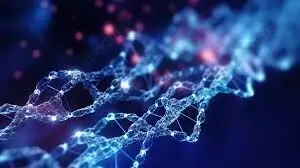
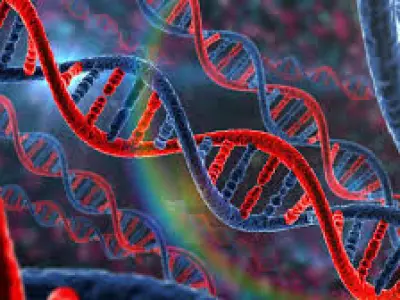
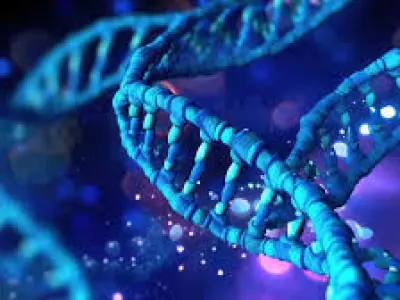
A DNA Sci-Fi Model Animation is a futuristic visualization of a DNA structure, often used in scientific, medical, or cinematic contexts. It combines realism with high-tech esthetics, featuring sleek animations, glowing effects, and interactive elements.
Technical Features
- Geometry & Structure:Double Helix Model: A smooth, spiral structure with accurate nucleotide pairings.
Atomistic Representation: Option to include molecules like hydrogen bonds, sugar-phosphate backbones, and nucleobases.
High-Poly vs. low poly: Optimized for either cinematic quality (high-poly) or real-time rendering (low poly).
- Texturing & Shading:PBR Materials: Uses physically based rendering for realistic reflections and refractions.
Holographic Effects: Transparent, glowing shaders for a futuristic sci-fi feel.
Dynamic Color Coding: Base pairs (A-T, G-C) highlighted with luminescent colors.
- Animation & Motion:Helix Rotation: DNA strands rotate gently for dynamic presentation.
Molecular Interaction: Zoom-in transitions to highlight molecular bonding.
Data Streams & HUD Overlays: Floating digital text and charts provide a futuristic esthetic.
- Lighting & Effects:Neon Glows & Sci-Fi Highlights: Subtle glowing effects enhance realism.
Volumetric & Ambient Lighting: Adds depth and contrast.
Procedural Particle Systems: Floating molecular particles for realism.
- Simulation & Interaction:DNA Unraveling Animation: Shows transcription or replication in action.
Dynamic Morphing: DNA transforms to proteins or digital data streams.
VR & AR Integration: Supports real-time interaction in virtual environments.
- Export & Rendering:4K/8K Output: High-resolution renders for cinematic or scientific use.
Game Engine Compatibility: Optimized for Unity, Unreal Engine, or WebGL.
Interactive 3D Models: Formats like GLB, FBX, and USDZ for real-time applications.