High-quality 3D assets at affordable prices — trusted by designers, engineers, and creators worldwide. Made with care to be versatile, accessible, and ready for your pipeline.
Included File Formats
This model is provided in 14 widely supported formats, ensuring maximum compatibility:
• - FBX (.fbx) – Standard format for most 3D software and pipelines
• - OBJ + MTL (.obj, .mtl) – Wavefront format, widely used and compatible
• - STL (.stl) – Exported mesh geometry; may be suitable for 3D printing with adjustments
• - STEP (.step, .stp) – CAD format using NURBS surfaces
• - IGES (.iges, .igs) – Common format for CAD/CAM and engineering workflows (NURBS)
• - SAT (.sat) – ACIS solid model format (NURBS)
• - DAE (.dae) – Collada format for 3D applications and animations
• - glTF (.glb) – Modern, lightweight format for web, AR, and real-time engines
• - 3DS (.3ds) – Legacy format with broad software support
• - 3ds Max (.max) – Provided for 3ds Max users
• - Blender (.blend) – Provided for Blender users
• - SketchUp (.skp) – Compatible with all SketchUp versions
• - AutoCAD (.dwg) – Suitable for technical and architectural workflows
• - Rhino (.3dm) – Provided for Rhino users
Model Info
• - All files are checked and tested for integrity and correct content
• - Geometry uses real-world scale; model resolution varies depending on the product (high or low poly)
• • - Scene setup and mesh structure may vary depending on model complexity
• - Rendered using Luxion KeyShot
• - Affordable price with professional detailing
Buy with confidence. Quality and compatibility guaranteed.
If you have any questions about the file formats, feel free to send us a message — we're happy to assist you!
Sincerely,
SURF3D
Trusted source for professional and affordable 3D models.
More Information About 3D Model :
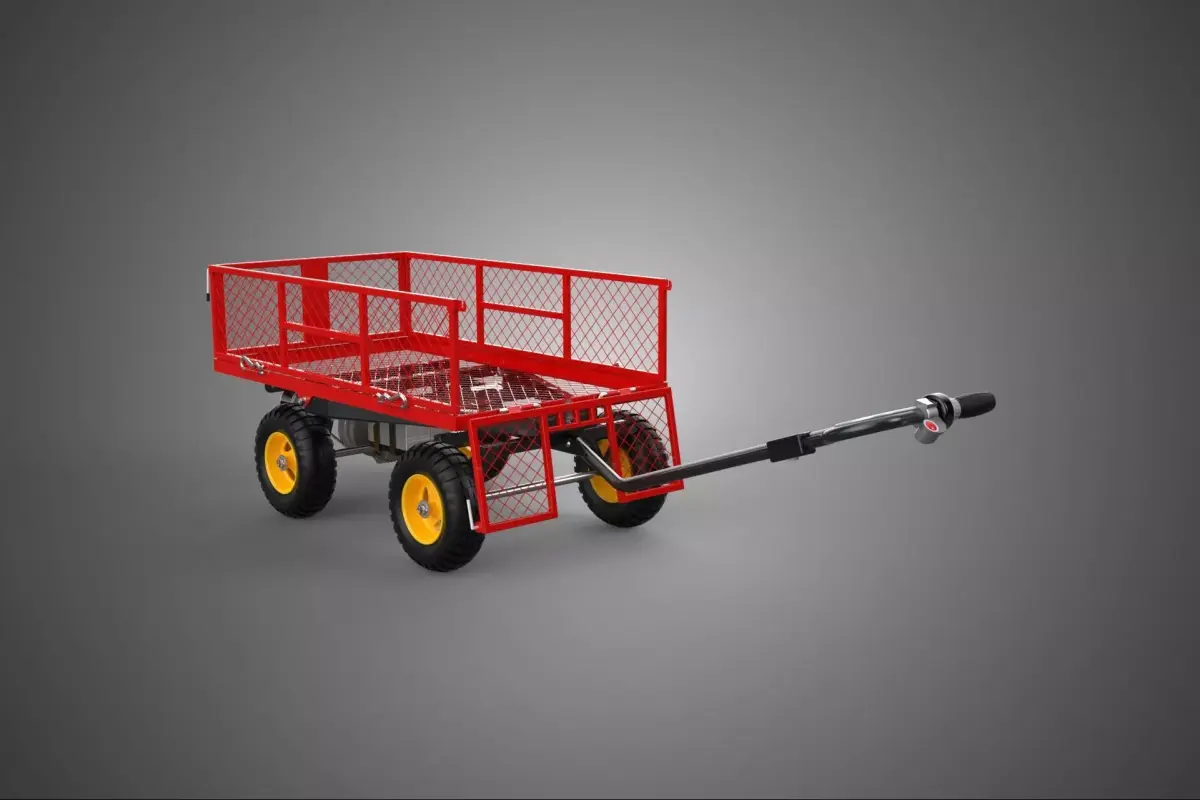
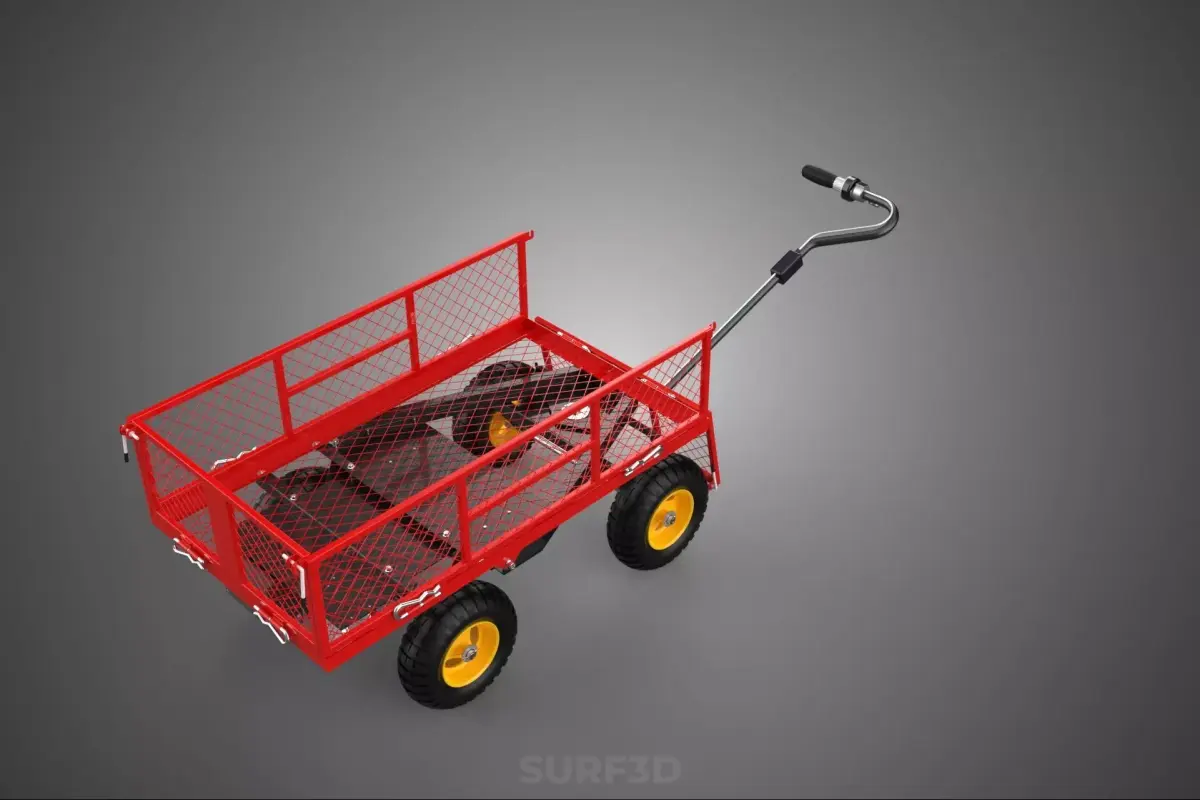
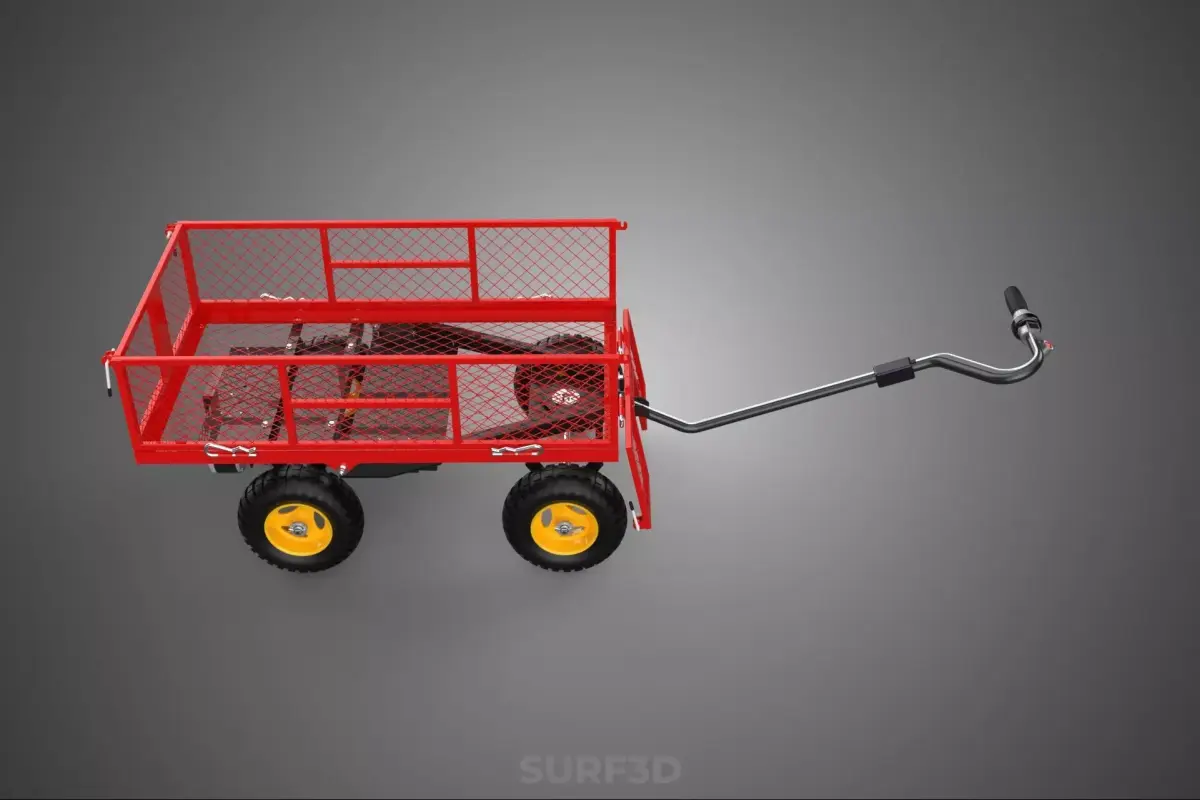
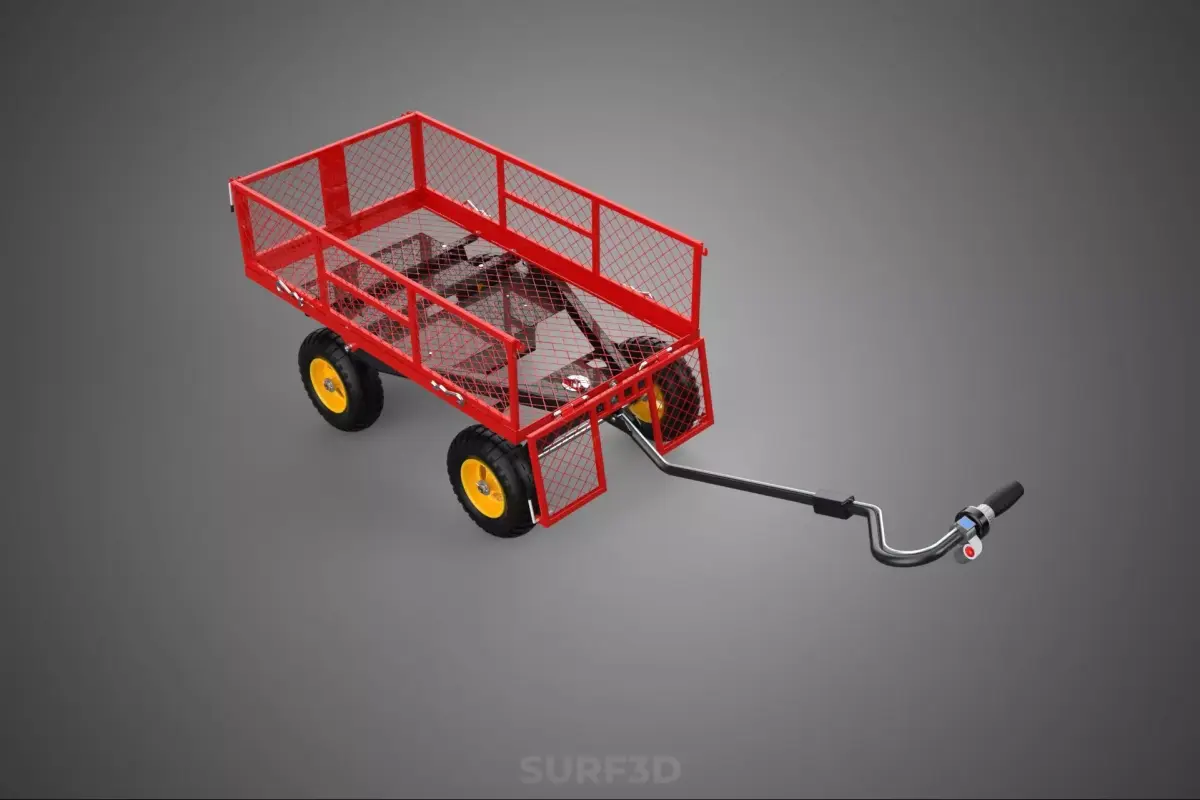
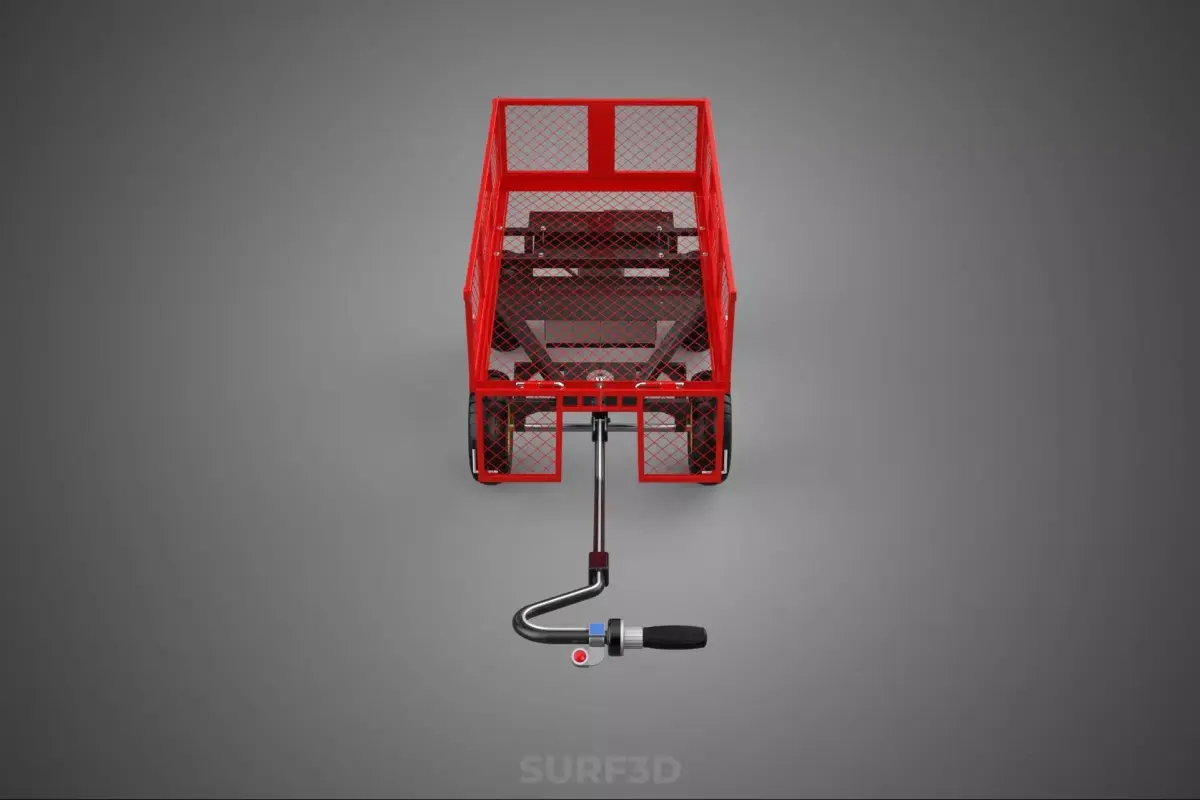
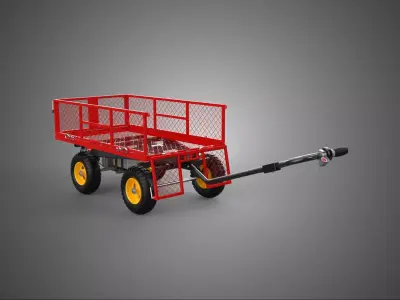
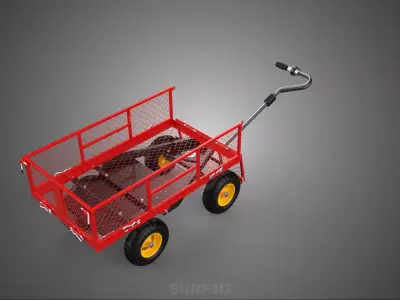
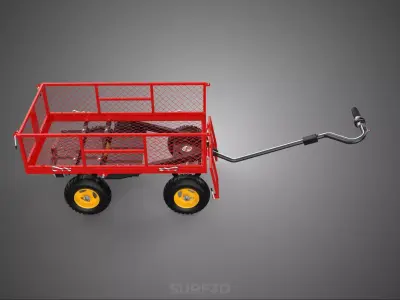
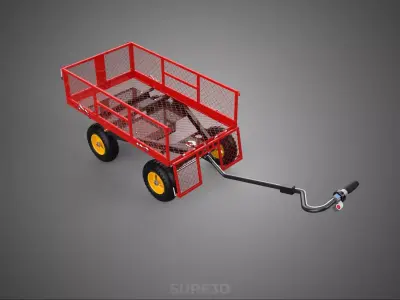
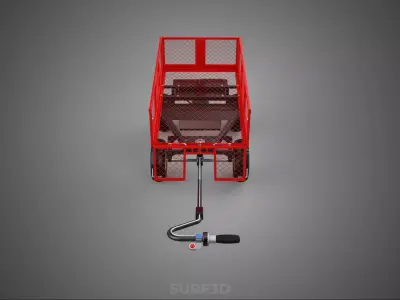
An Electric Battery Powered Mesh Garden Cart Trolley Wagon Trailer is a sophisticated and versatile utility vehicle designed for the efficient transport of various materials across diverse terrains, primarily in horticultural, landscaping, light agricultural, and construction environments. This nomenclature denotes a hybrid functionality, combining the robust structure of traditional material handling equipment with an integrated electric drivetrain for enhanced mobility and reduced manual exertion.
Nomenclature Clarification:
The multi-descriptor title reflects its adaptive design:
- Cart/Trolley: Suggests a maneuverable unit often pushed or pulled manually, suitable for moderate loads and tighter spaces.
- Wagon: Implies a larger, typically four-wheeled vehicle designed for heavier loads and longer distances, traditionally pulled.
- Trailer: Indicates a unit capable of being hitched and towed by another vehicle (e.g., ATV, lawn tractor). The Electric Battery Powered aspect distinguishes it from conventional trailers by endowing it with self-propulsion capabilities, allowing it to function both autonomously and as a powered assist or towed component.
Core Components and Features:
- Propulsion System: Central to its design is an electric motor, commonly a brushless DC type, powered by a rechargeable battery pack, most often lithium-ion (Li-ion) due to its superior energy density and cycle life. This system delivers forward and frequently reverse propulsion, controlled via an intuitive interface such as a thumb throttle, twist grip, or push-button controls, enabling variable speed operation. Battery capacity dictates the operational range and runtime, with integrated charging ports and sometimes removable battery packs for convenience and extended use.
- Chassis and Frame: The foundational structure consists of a robust, heavy-gauge steel frame, engineered for durability and significant load-bearing capacity. This framework securely houses the motor, battery, and cargo bed, designed to withstand the stresses encountered on uneven terrain and with substantial loads.
- Cargo Bed (Mesh Design): A defining characteristic is the open mesh-panelled cargo bed. This construction offers several key advantages:
- Reduced Weight: Contributes to the overall efficiency and maneuverability of the unit.
- Visibility: Enhances the operator's view of the contents and immediate surroundings.
- Drainage and Aeration: Prevents water accumulation and facilitates air circulation, which is particularly beneficial for transporting plants, soil, or wet materials.
- Versatility: Many models feature fold-down or removable sides, allowing conversion into a flatbed configuration for oversized or irregularly shaped items, thereby simplifying loading and unloading.
- Wheels and Tires: The unit is typically equipped with pneumatic (air-filled) or solid rubber tires, selected for optimal stability, traction, and shock absorption across diverse surfaces, including grass, gravel, soil, and paved areas. Tire size and tread patterns are chosen to distribute weight effectively and enhance all-terrain capability.
- Steering and Maneuverability: Most designs employ a wagon-style steering mechanism, wherein the front axle pivots, facilitating a tight turning radius. Operational control is typically managed via an ergonomic handle that serves for both steering and manual pulling/pushing when the motor is disengaged or for additional assistance.
- Control Interface and Safety Features: Controls are ergonomically placed, often on the handle, encompassing power switches, speed adjusters, battery level indicators, and critical safety features such as an emergency stop button and an automatic brake that engages upon throttle release. Integrated overload protection and thermal management systems safeguard the motor and battery.
- Towing/Hitching Capability: Many models incorporate a universal hitch point, enabling the unit to be coupled with other vehicles like ATVs or lawn tractors, allowing it to function as a powered assist trailer or a conventional towed trailer.
Applications:
These versatile machines find widespread utility across various sectors:
- Gardening and Landscaping: Ideal for transporting soil, mulch, plants, rocks, tools, garden waste, and firewood.
- Agricultural Settings: Facilitates the movement of feed, small equipment, and harvested produce on small farms or within nurseries.
- Construction and Renovation: Used for hauling building materials such as bricks, cement bags, tools, and debris on job sites.
- Estate Management: General material handling across extensive properties.
- Commercial Use: Employed in greenhouses, nurseries, resorts, and industrial facilities for various internal transport tasks.
Advantages:
- Reduced Physical Exertion: Significantly minimizes the manual effort required to move heavy or bulky loads, mitigating the risk of strain and injury.
- Environmental Benefits: Operates with zero direct emissions and quietly, making it suitable for noise-sensitive environments and contributing to a reduced carbon footprint.
- Versatility: Highly adaptable to a broad spectrum of tasks and terrains, often convertible between different configurations (e.g., cart, flatbed, powered trailer).
- Efficiency: Enables faster and more effortless transport of materials, thereby enhancing productivity.
- Safety: Integrated safety features and controlled power delivery contribute to safer operation.
Disadvantages and Considerations:
- Initial Cost: Generally higher than manual carts due to the complexity of the integrated electric drivetrain.
- Battery Management: Requires regular charging, and battery life dictates operational range and runtime. Performance can be affected by extreme temperatures.
STL (Stereolithography, filesize: 25.1 MB), OBJ (OBJ, filesize: 49.1 MB), BLEND (Blender, filesize: 46.6 MB), GLTF (glTF, filesize: 17 MB), 3DS (3D Studio, filesize: 15.8 MB), IGE (IGES, filesize: 82.8 MB), FBX (Autodesk FBX, filesize: 15.6 MB), DAE (Collada, filesize: 85.8 MB), 3DM (Rhinoceros 3D, filesize: 93.5 MB), STP (STEP, filesize: 38.3 MB), SKP (Sketchup, filesize: 28.6 MB), DWG (AutoCAD, filesize: 24.5 MB), SAT (3D ACIS, filesize: 58.7 MB), MAX (Autodesk 3ds Max, filesize: 124 MB)