- Provide a continuous supply of fresh outside air. Remove or dilute airborne contaminants.
- Reduce potential fire or explosion hazards. Maintain temperature and humidity at comfortable levels.
- Ventilation is especially required for commercial and industrial spaces to control indoor air quality by diluting and displacing indoor pollutants.
- Ventilation can also be used to control temperature, humidity and air motion.
- The general purpose of ventilation in buildings is to provide healthy air for breathing by both diluting the pollutants originating in the building and removing the pollutants from it (Etheridge & Sandberg, 1996; Awbi, 2003).
- The importance of ventilation lies in its ability to provide a continuous supply of fresh air, remove stale or polluted air, regulate temperature and humidity levels, control airborne contaminants, and maintain good indoor air quality.
- So, with all that considered, bringing fresh air into your workplace can improve both the physical health of employees, but also their mental health and their ability to focus.
- Good ventilation also ensures that any bacteria, viruses, or germs in the air are also filtered out, including common viruses.
- An industrial ventilation system has two main parts: a fresh air supply system and an exhaust system.
- In general, the supply system is a heating, ventilation, and air-conditioning system (HVAC) and consists of: air inlet. air filtering equipment.
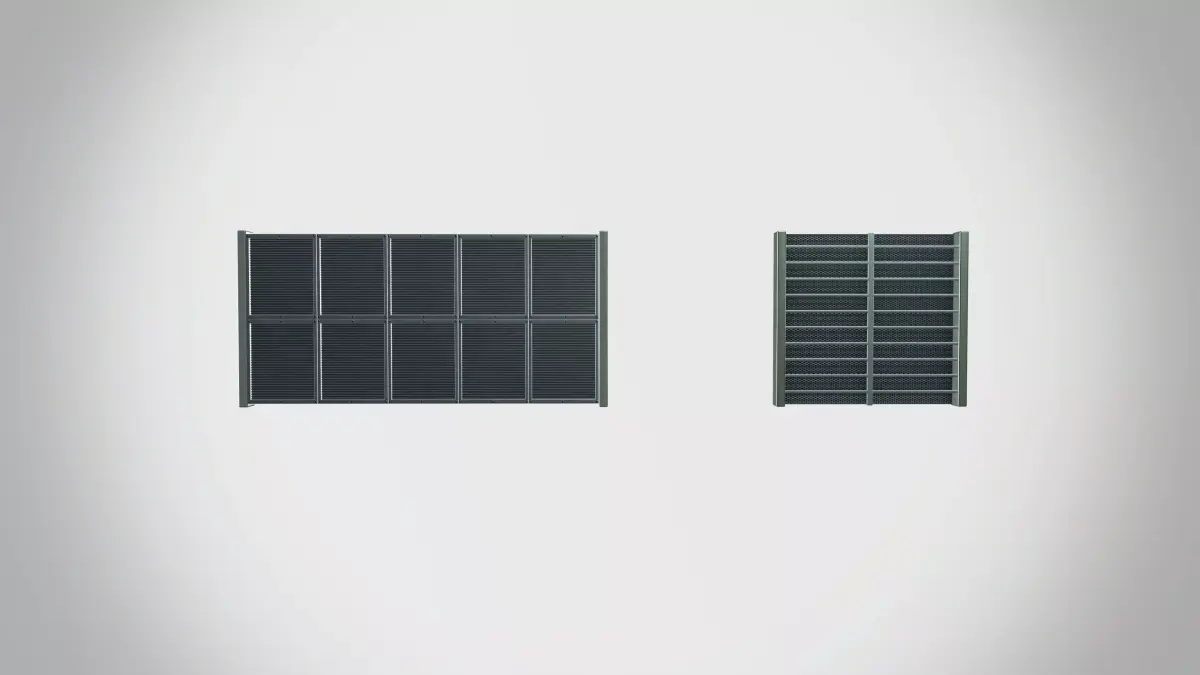
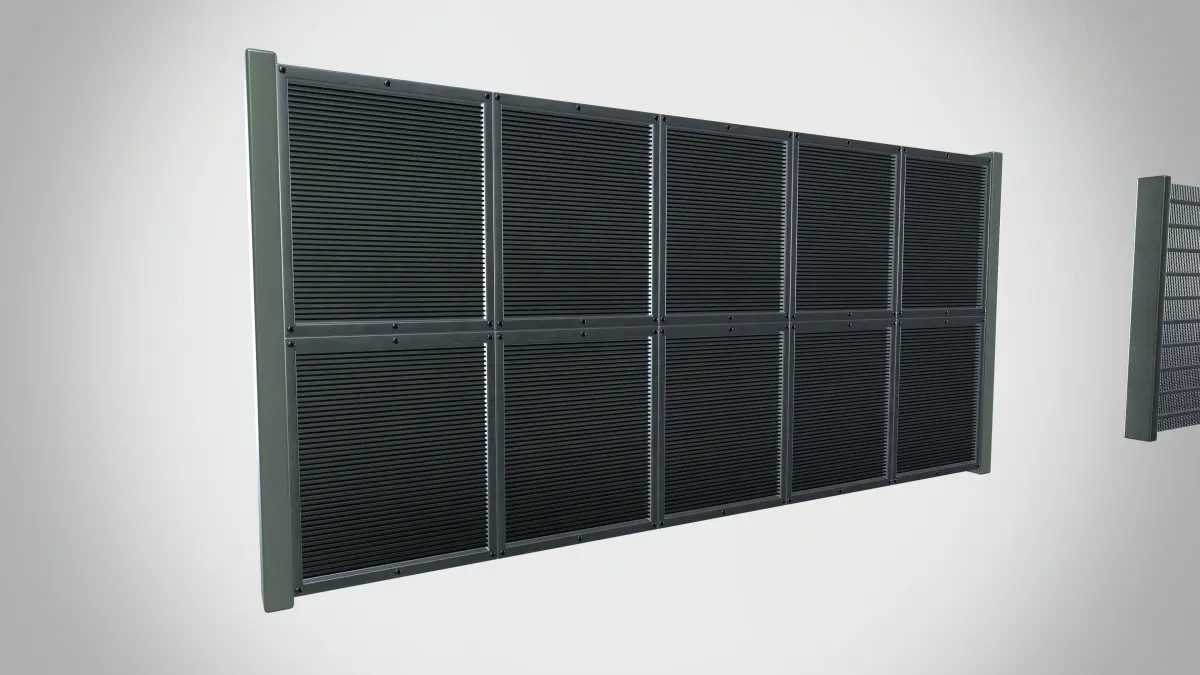
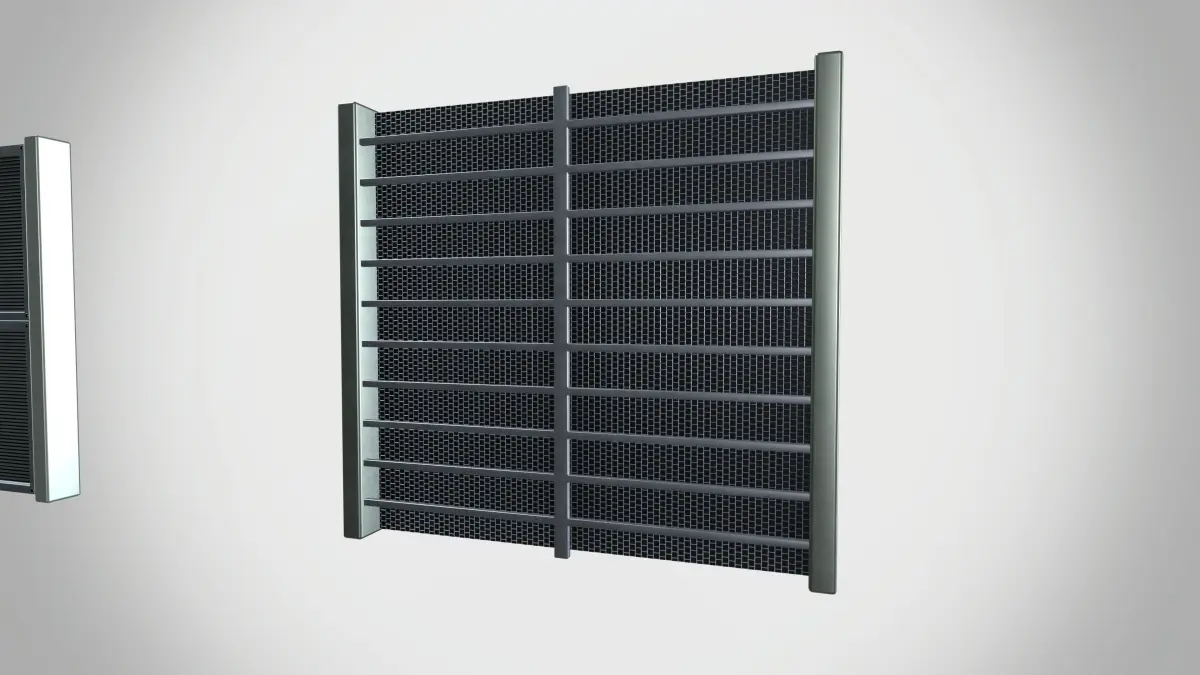
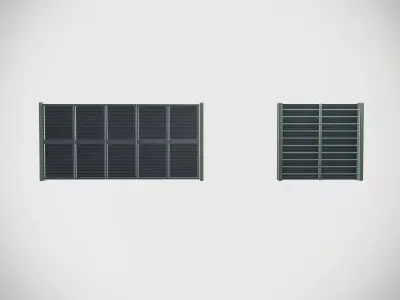
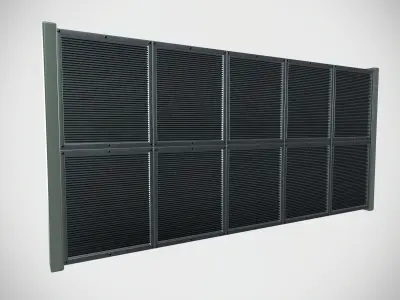
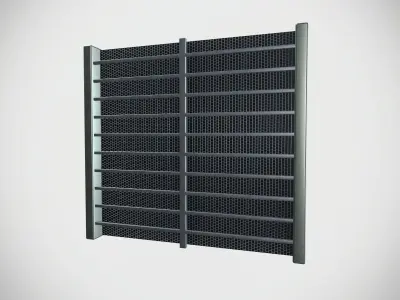
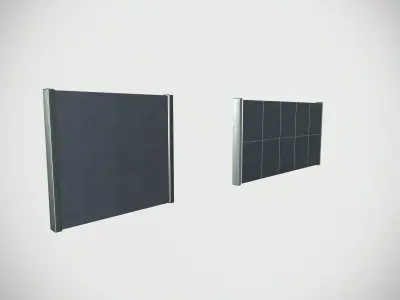
- Number of Polygons-15468.
- Number of Verts-17756.
- Number of Tris-29728.
- Files Type-ma,mb,fbx.
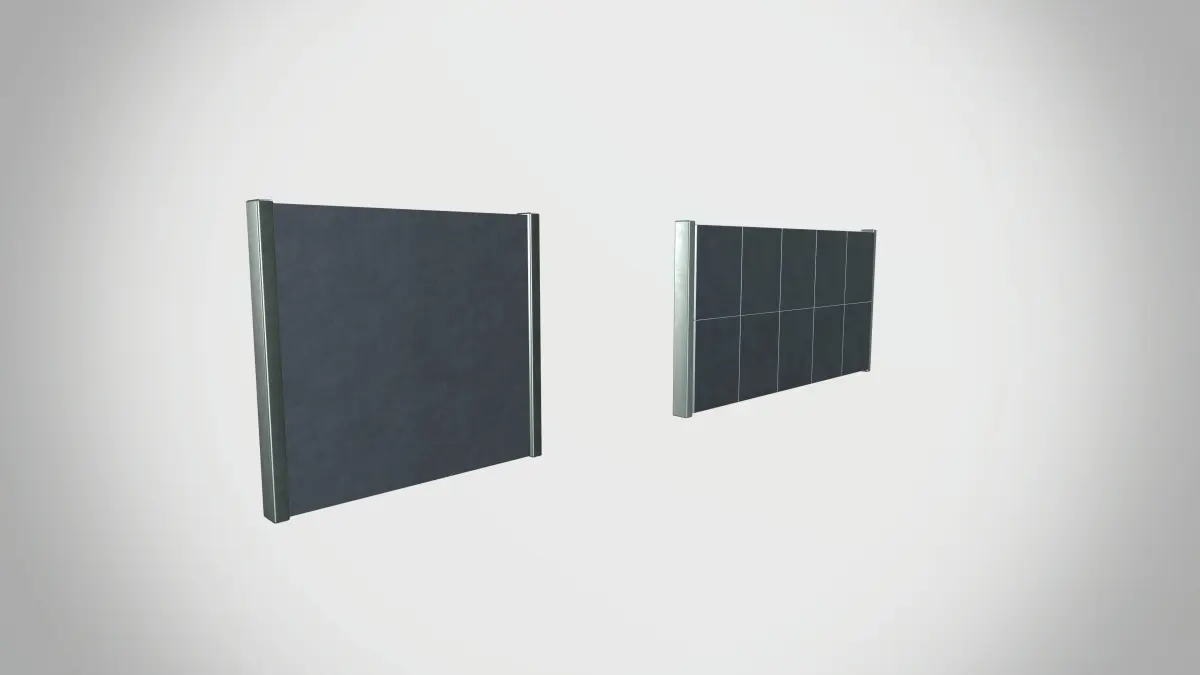
- Texture resolution 4K.
- Texture format PNG.
OBJ (OBJ, filesize: 2.63 MB), MA (Autodesk Maya, filesize: 1.51 MB), FBX (Autodesk FBX, filesize: 1.51 MB), TEXTURES (Textures, filesize: 13.3 MB)