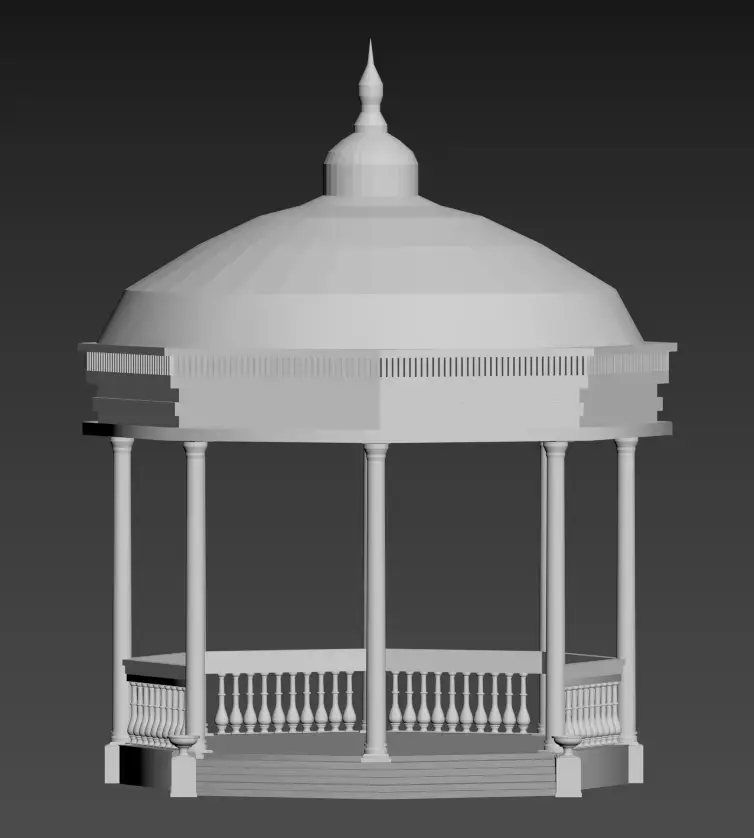
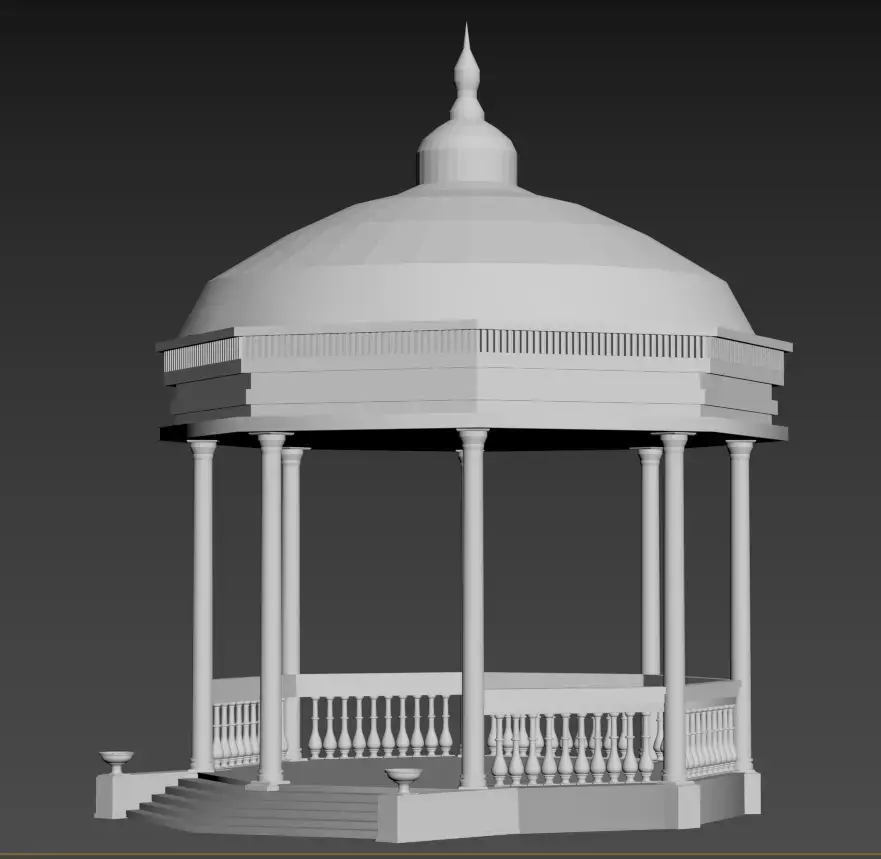
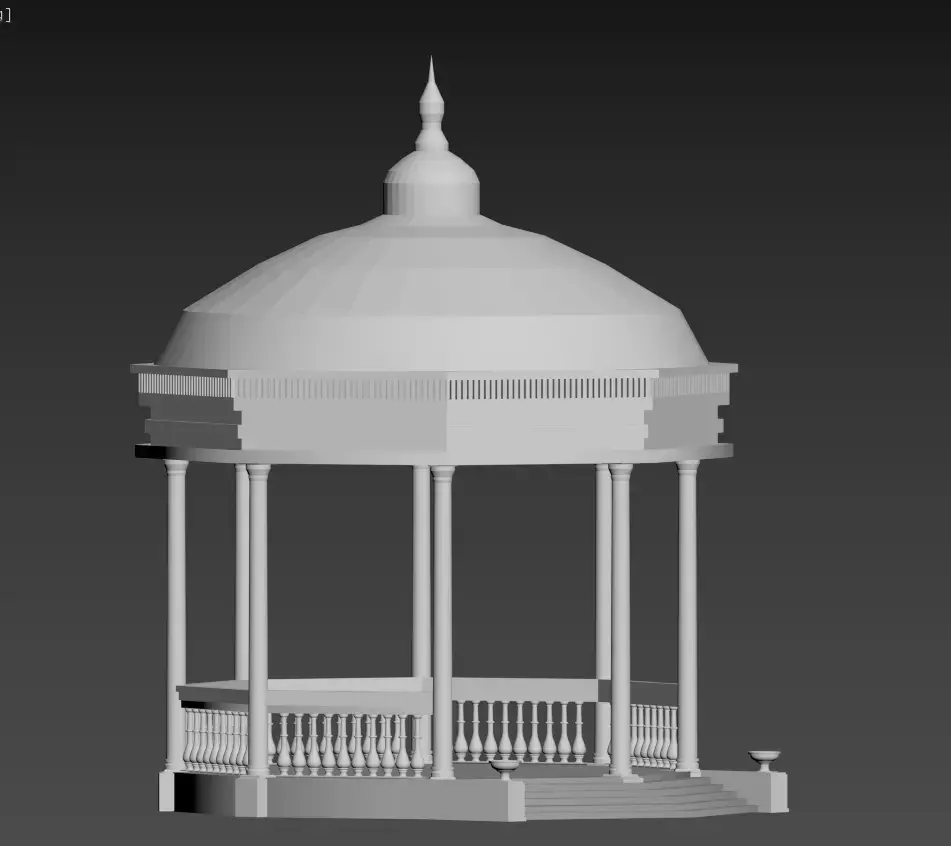
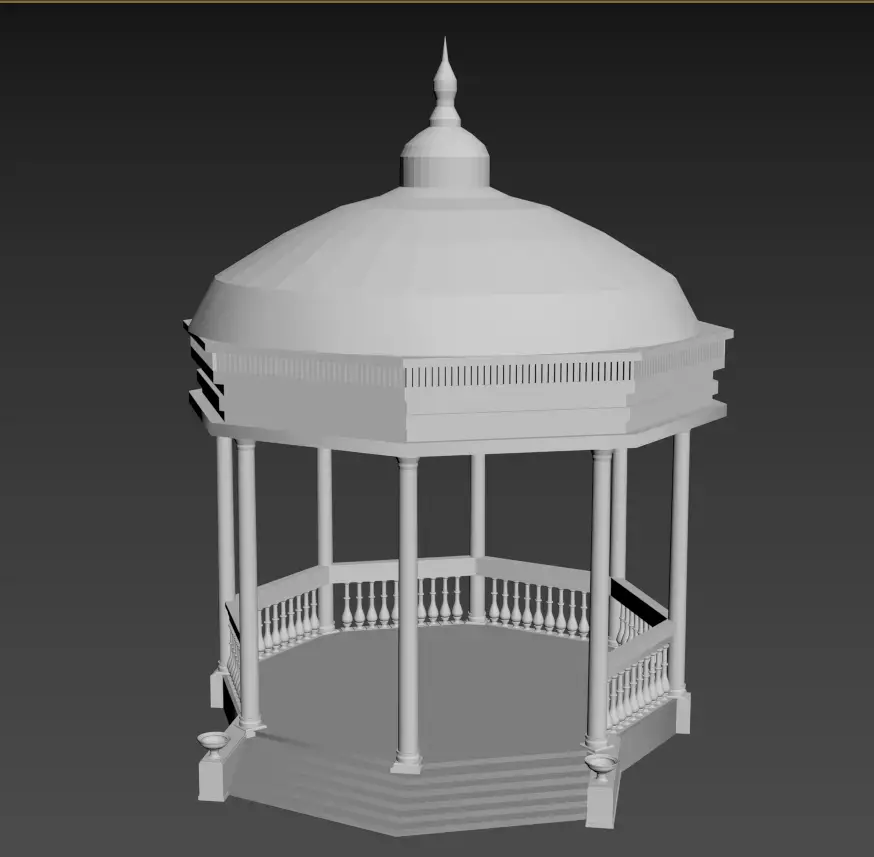
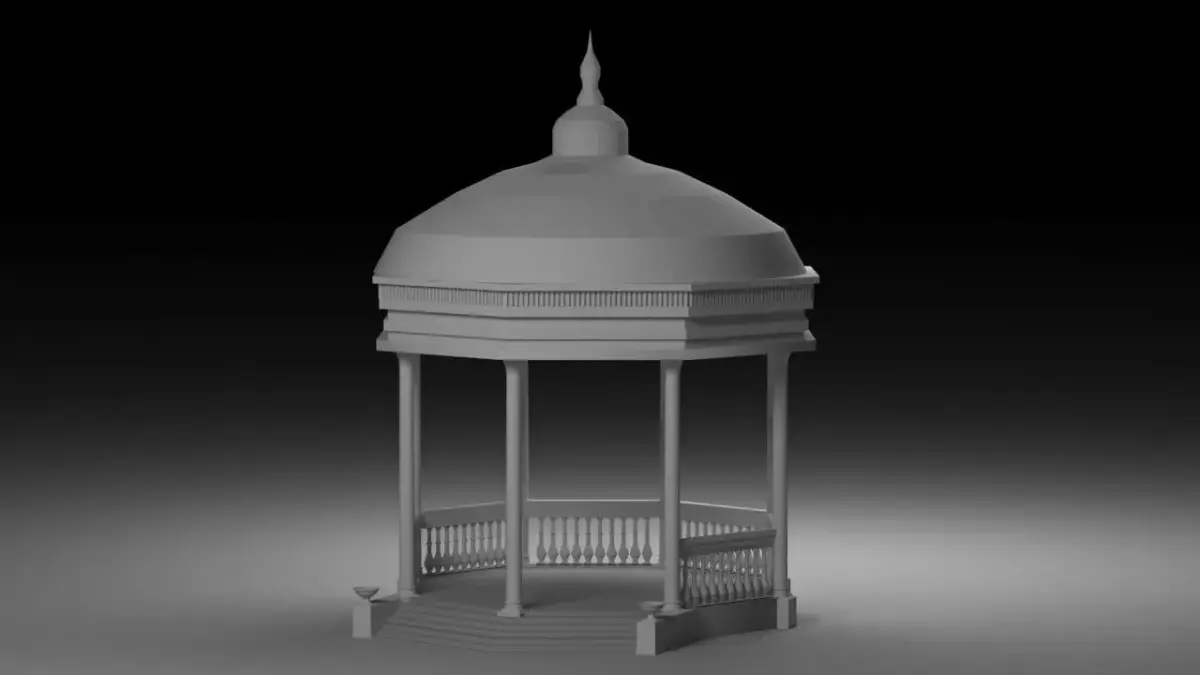
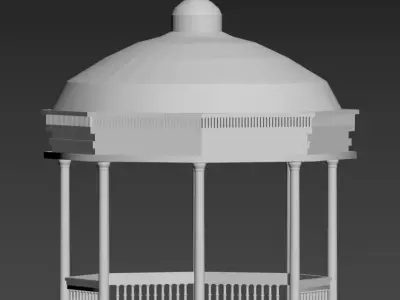
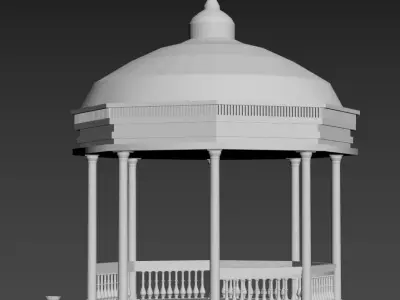
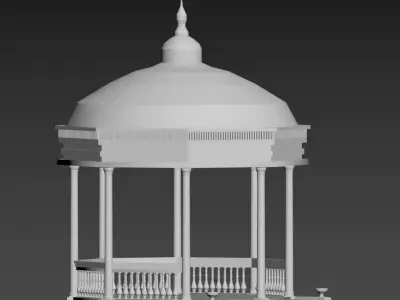
Here’s a clear, general description of an Indian dome structure you can use for writing, study, or design inspiration:
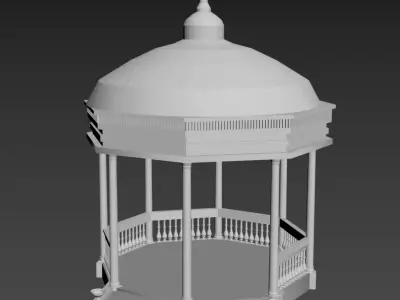
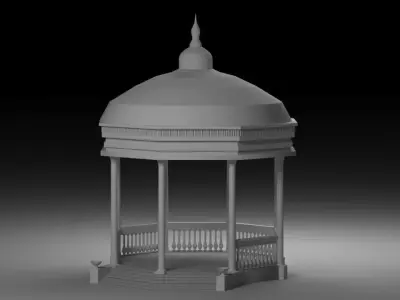
An Indian dome structure is a prominent architectural element characterized by its smooth, rounded silhouette rising gracefully above a building. Traditionally inspired by Indo-Islamic architecture, the dome symbolizes harmony, spirituality, and grandeur. It is often constructed over a square or octagonal base using transitional elements such as pendentives or squinches, allowing the circular dome to rest securely on angular foundations.
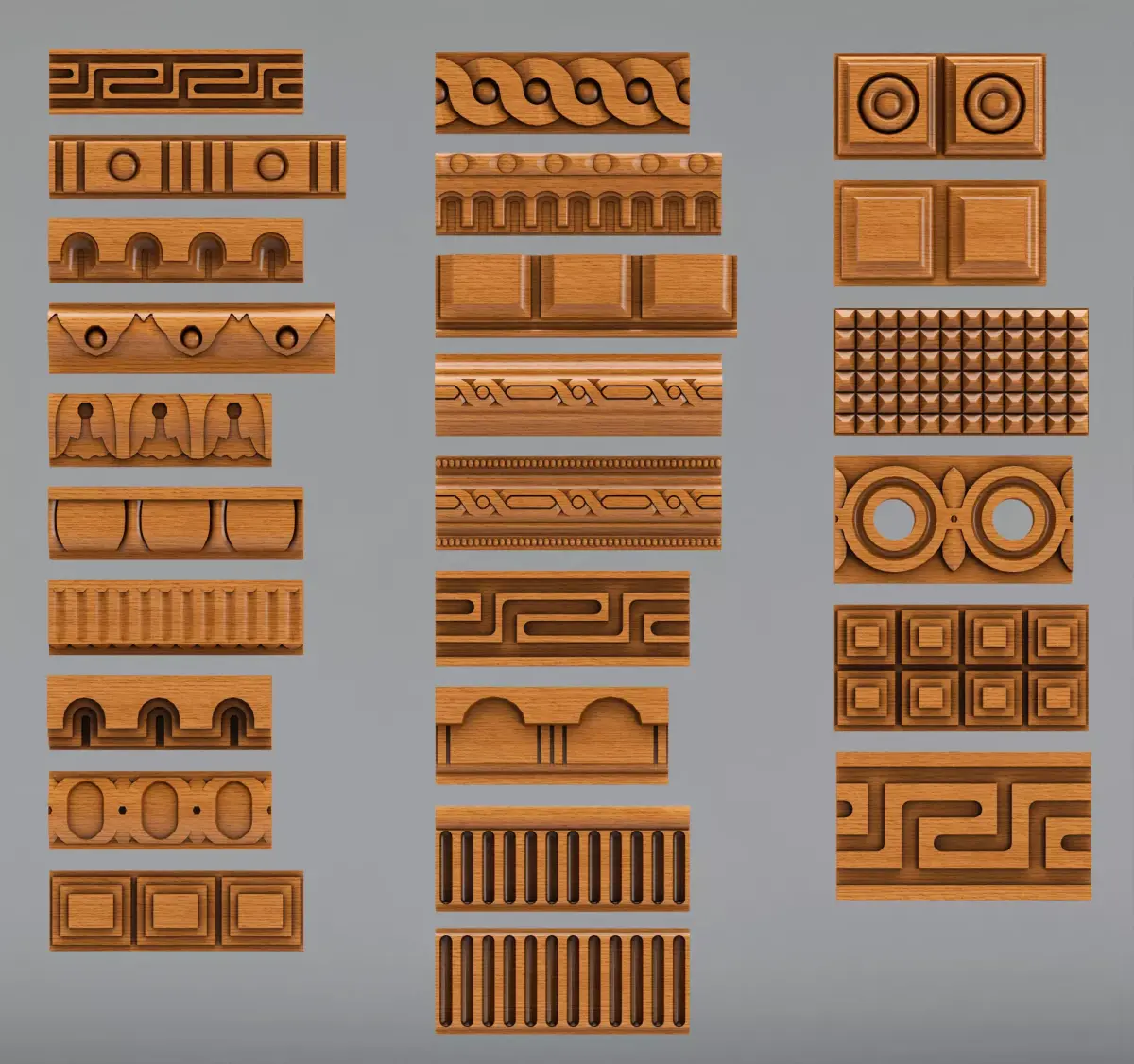
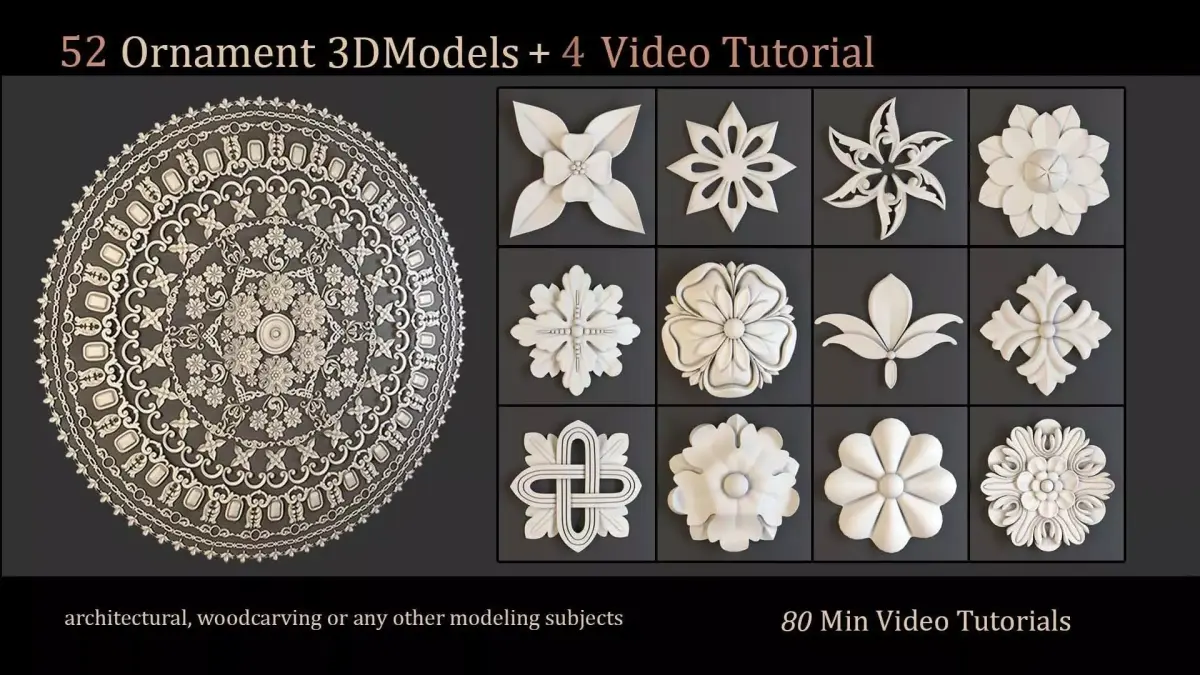
The exterior is frequently finished with materials like marble, sandstone, or lime plaster, and may be crowned with a finial (kalash), representing auspiciousness in Indian culture. Many domes feature decorative details such as lotus motifs, floral carvings, geometric patterns, or calligraphy, reflecting a blend of Persian, Central Asian, and indigenous Indian design traditions.
Inside, the dome creates a vast, open space with impressive acoustics and a sense of vertical elevation, often enhanced by intricate ceiling ornamentation or concentric designs. Indian dome structures are commonly found in temples, mosques, tombs, and palaces, serving both structural and symbolic purposes—signifying divinity, royal authority, or eternal peace.
STL (Stereolithography, filesize: 12.2 MB), FBX (Autodesk FBX, filesize: 12.9 MB), MAX (Autodesk 3ds Max, filesize: 2.88 MB), 3DS (3D Studio, filesize: 639 KB)