High-quality 3D assets at affordable prices — trusted by designers, engineers, and creators worldwide. Made with care to be versatile, accessible, and ready for your pipeline.
Included File Formats
This model is provided in 14 widely supported formats, ensuring maximum compatibility:
• - FBX (.fbx) – Standard format for most 3D software and pipelines
• - OBJ + MTL (.obj, .mtl) – Wavefront format, widely used and compatible
• - STL (.stl) – Exported mesh geometry; may be suitable for 3D printing with adjustments
• - STEP (.step, .stp) – CAD format using NURBS surfaces
• - IGES (.iges, .igs) – Common format for CAD/CAM and engineering workflows (NURBS)
• - SAT (.sat) – ACIS solid model format (NURBS)
• - DAE (.dae) – Collada format for 3D applications and animations
• - glTF (.glb) – Modern, lightweight format for web, AR, and real-time engines
• - 3DS (.3ds) – Legacy format with broad software support
• - 3ds Max (.max) – Provided for 3ds Max users
• - Blender (.blend) – Provided for Blender users
• - SketchUp (.skp) – Compatible with all SketchUp versions
• - AutoCAD (.dwg) – Suitable for technical and architectural workflows
• - Rhino (.3dm) – Provided for Rhino users
Model Info
• - All files are checked and tested for integrity and correct content
• - Geometry uses real-world scale; model resolution varies depending on the product (high or low poly)
• • - Scene setup and mesh structure may vary depending on model complexity
• - Rendered using Luxion KeyShot
• - Affordable price with professional detailing
Buy with confidence. Quality and compatibility guaranteed.
If you have any questions about the file formats, feel free to send us a message — we're happy to assist you!
Sincerely,
SURF3D
Trusted source for professional and affordable 3D models.
More Information About 3D Model :
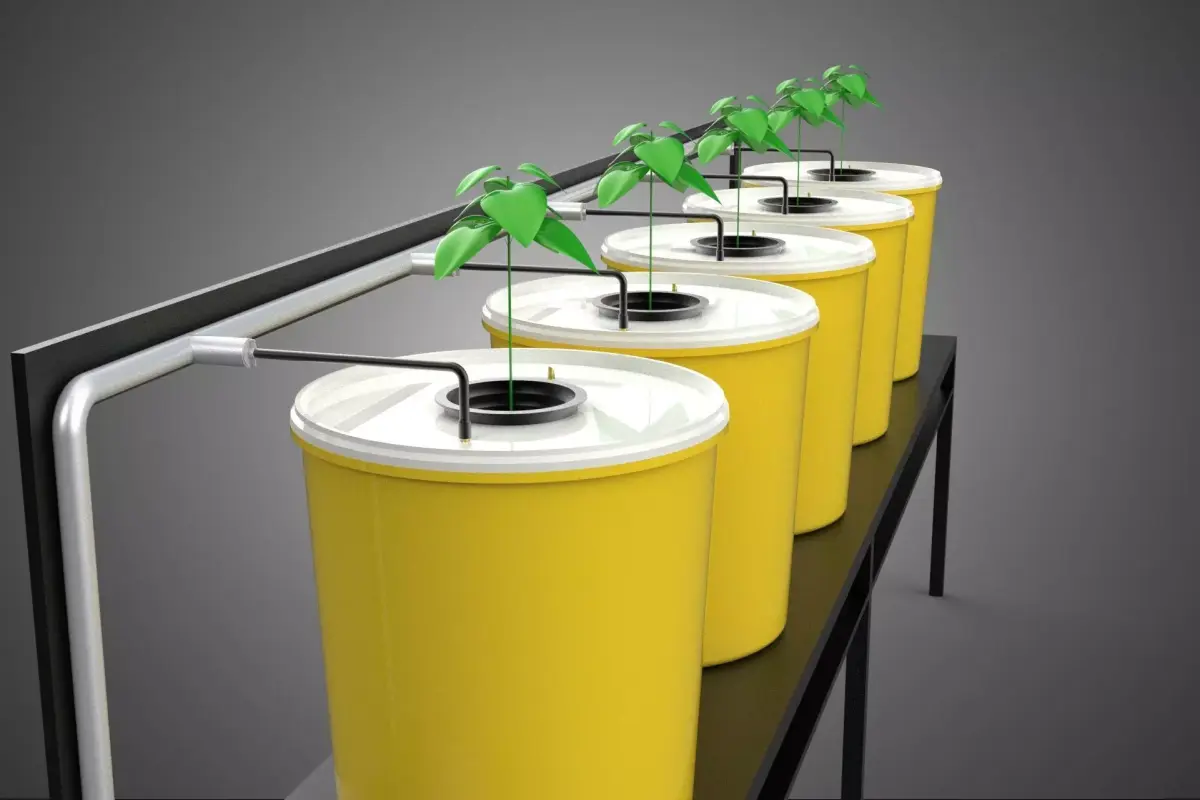
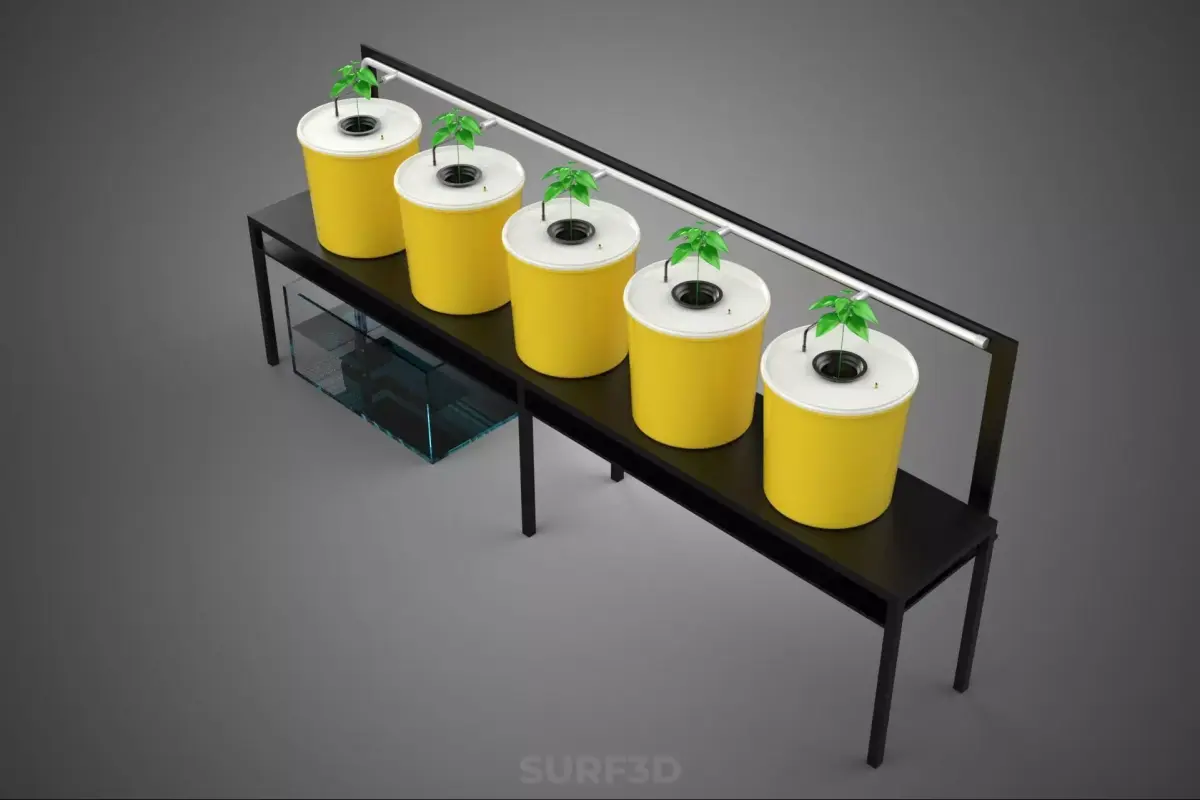
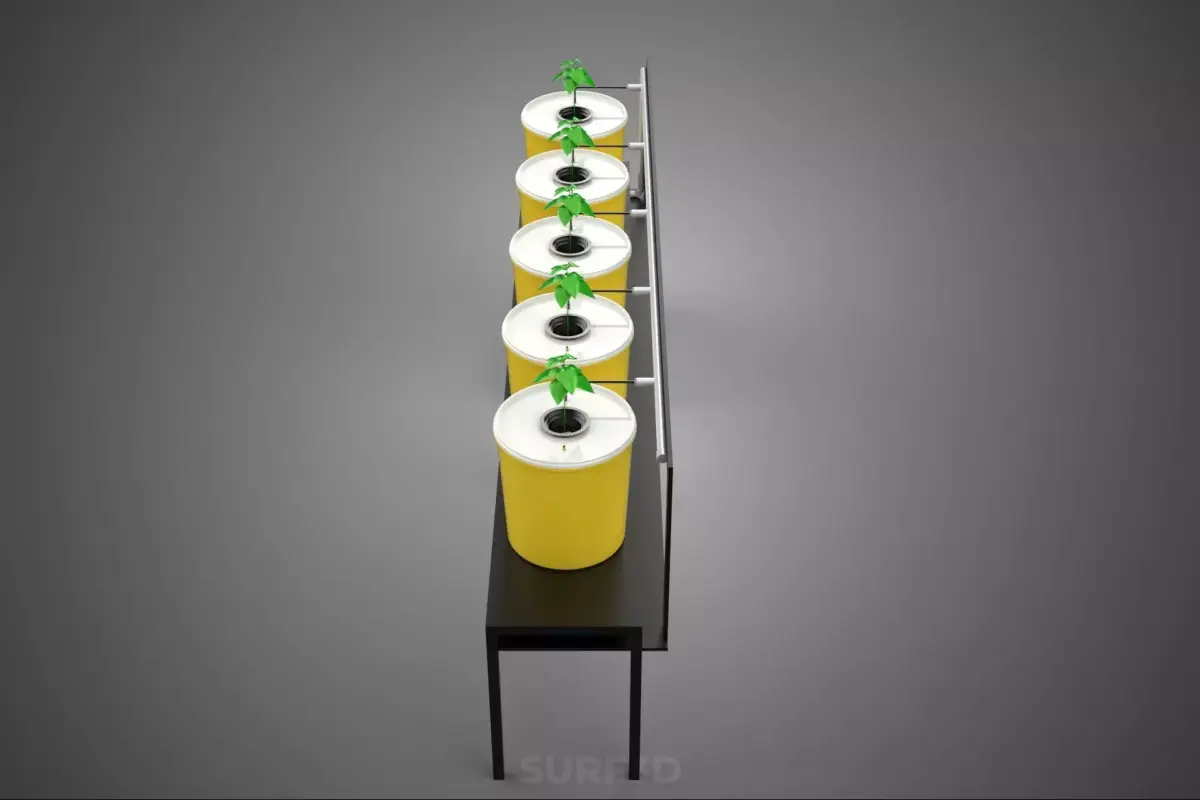
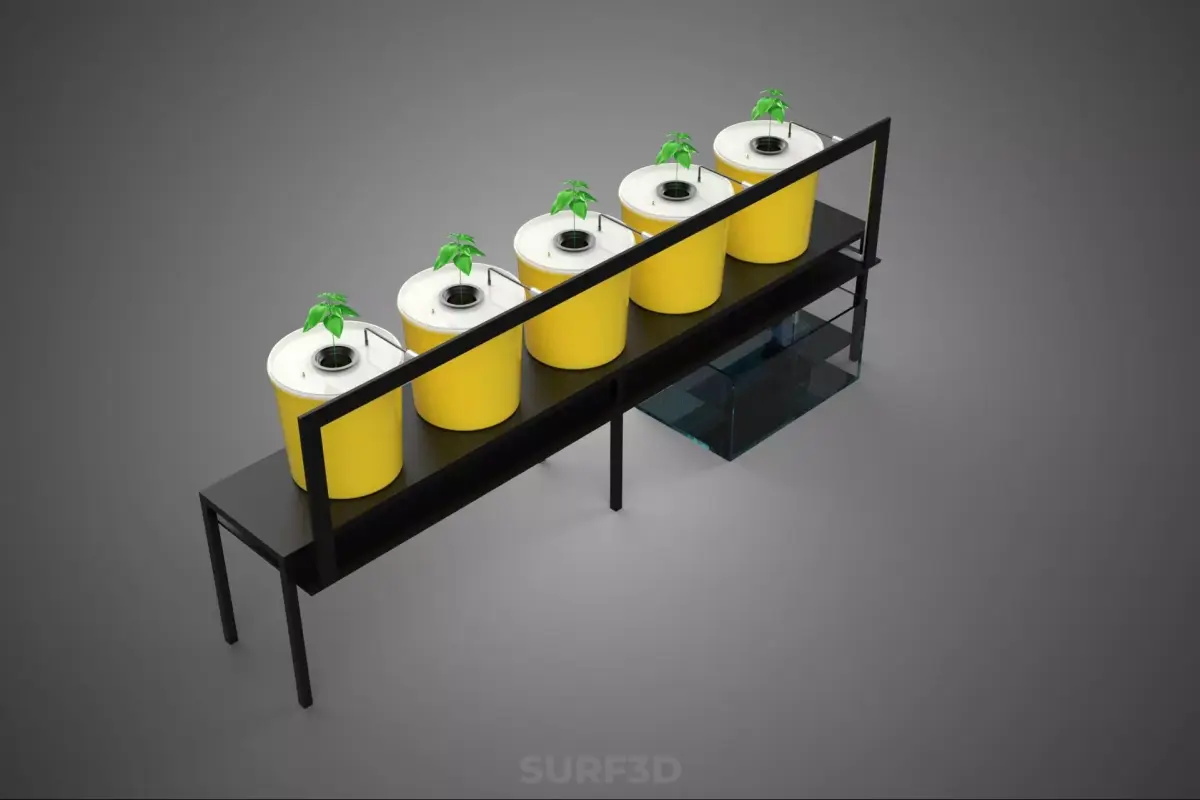
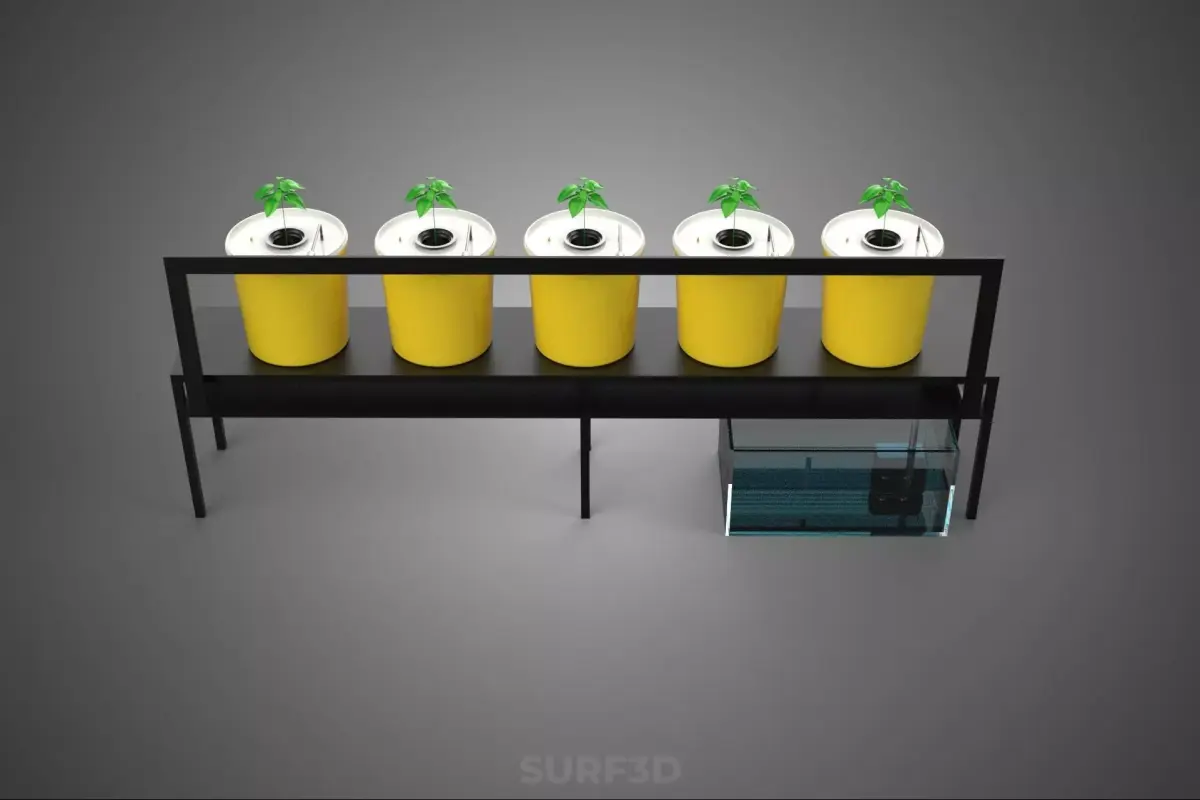
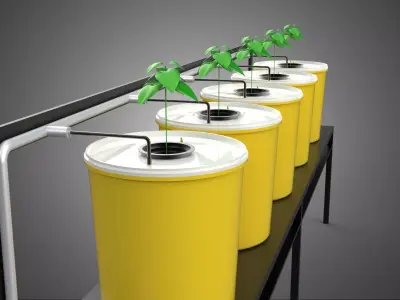
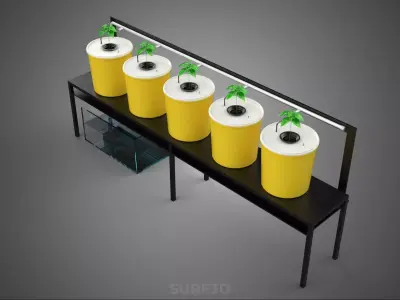
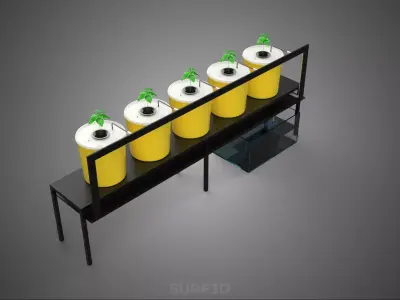
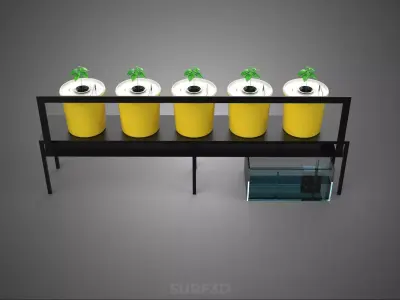
INDOOR HYDROPONIC SEEDLING PLANT PROPAGATION SYSTEM BATO FARM
The Indoor Hydroponic Seedling Plant Propagation System Bato Farm refers to a highly controlled, sophisticated apparatus designed for the high-density, accelerated production of plant seedlings within a dedicated indoor environment, utilizing soilless cultivation techniques. This system falls under the umbrella of Controlled Environment Agriculture (CEA) and is specifically engineered to optimize the critical juvenile stage of plant development before transplanting into a final production system (e.g., commercial greenhouses or larger Vertical Farms).
The integration of Bato Farm in the nomenclature often implies the use of standardized, highly modular components, frequently derived from Dutch horticultural technology. While Bato buckets are traditionally used for larger fruiting plants (like tomatoes or peppers), the seedling propagation variant leverages the Bato philosophy: high efficiency, precision nutrient delivery, and ease of sanitation within a recirculating hydroponic framework.
System Architecture and Components
The system is fundamentally structured to maximize spatial efficiency and environmental uniformity necessary for synchronous germination and root establishment.
1. Growth Infrastructure:
Instead of large buckets, the seedling Bato Farm typically employs specialized propagation trays or channels designed for high-density planting. These often accommodate inert growing media, such as rockwool cubes, phenolic foam, or coco coir pellets, which provide structural support and adequate aeration for developing roots. The trays are frequently supported by multi-tiered vertical racking systems (Vertical Farming Modules) to maximize the Growing Area Ratio (GAR) per unit of floor space, a critical characteristic of indoor operations.
2. Hydroponic Delivery Subsystem:
The primary methodology employed is often a variation of Nutrient Film Technique (NFT) or shallow Deep Water Culture (DWC). A carefully calibrated and oxygenated nutrient solution is delivered via pumps, plumbing, and emitters to the base of the growing medium. The system is fundamentally recirculating, meaning excess solution is collected, filtered, replenished, and stored in a central reservoir (the sump), allowing for the efficient reuse of water and nutrients and minimizing environmental runoff.
3. Root Zone Management:
Precision control is maintained over the physicochemical properties of the nutrient solution. Electronic sensors continuously monitor key parameters, including Electrical Conductivity (EC), which determines the concentration of dissolved ionic salts necessary for growth, and pH level, which dictates nutrient bioavailability. Automated dosing pumps adjust these parameters in real-time, ensuring optimal uptake for rapid cell division and root development.
Environmental Control and Operation
As an indoor system, the Bato Farm environment is entirely synthetic, allowing for deterministic control over all abiotic factors influencing plant propagation.
1. Lighting Systems:
Artificial illumination is provided exclusively by high-efficiency Light Emitting Diode (LED) fixtures. These lights are often tunable, allowing operators to adjust the spectral composition (e.g., optimizing for blue and red wavelengths) and the Daily Light Integral (DLI) to promote strong root growth and photomorphogenesis without inducing excessive stretching (etiolation). The photoperiod is rigidly controlled to accelerate specific developmental stages.
2. Climate Regulation:
The system incorporates Heating, Ventilation, and Air Conditioning (HVAC) systems and dehumidifiers to maintain optimal Air Temperature and Relative Humidity (RH). High humidity is often maintained during the initial germination phase to prevent desiccation, while increased airflow is introduced as roots establish to strengthen the plant structure and minimize fungal disease pressure.
3. Carbon Dioxide Enrichment:
To enhance photosynthetic efficiency and accelerate biomass accumulation during the propagation stage, the atmosphere is frequently enriched with supplemental carbon dioxide ($\text_2$), often maintained at levels significantly higher than ambient air.
Advantages and Applications
The Indoor Hydroponic Seedling Propagation System Bato Farm offers significant advantages over traditional field or greenhouse propagation methods:
- Uniformity and Scheduling: By providing precise, identical inputs to every seedling, the system generates highly uniform plantlets, simplifying crop scheduling and automation in later growth stages.
- Disease Mitigation: The elimination of soil and the use of sterile, inert media dramatically reduces the incidence of soilborne pathogens (e.g., Pythium, Fusarium), resulting in higher transplant success rates.
- Accelerated Growth: Optimized root zone oxygenation, continuous nutrient supply, and ideal climate control enable a significant reduction in the total propagation cycle time.
- Year-Round Production: Operation is entirely decoupled from external weather conditions, facilitating continuous, reliable production regardless of climate or season.
The system is primarily utilized for high-value specialty crops, including various leafy greens, herbs, cannabis, and high-yield vegetable crops (peppers, cucumbers, tomatoes) where starting quality directly impacts final yield and harvest timing.
KEYWORDS: Hydroponics, Seedling Propagation, Indoor Farming, Bato System, Controlled Environment Agriculture, CEA, Recirculating Hydroponics, Vertical Farming, Plant Propagation, NFT, DWC, Rockwool, Germination, Nutrient Solution, EC Control, pH Management, LED Lighting, Photoperiod, Uniformity, Crop Scheduling, Soilless Culture, Root Zone, High-Density Planting, Transplant Success, Abiotic Factors, Automation, Precision Agriculture, Specialized Crops, Environmental Control, Dutch Horticulture.
STL (Stereolithography, filesize: 20.2 MB), OBJ (OBJ, filesize: 42.6 MB), IGE (IGES, filesize: 20.6 MB), MAX (Autodesk 3ds Max, filesize: 82.3 MB), 3DS (3D Studio, filesize: 12.1 MB), SKP (Sketchup, filesize: 20.6 MB), BLEND (Blender, filesize: 37.1 MB), 3DM (Rhinoceros 3D, filesize: 30.3 MB), DAE (Collada, filesize: 67 MB), GLTF (glTF, filesize: 12.8 MB), SAT (3D ACIS, filesize: 40.5 MB), DWG (AutoCAD, filesize: 10.5 MB), STP (STEP, filesize: 12 MB), FBX (Autodesk FBX, filesize: 13.5 MB)