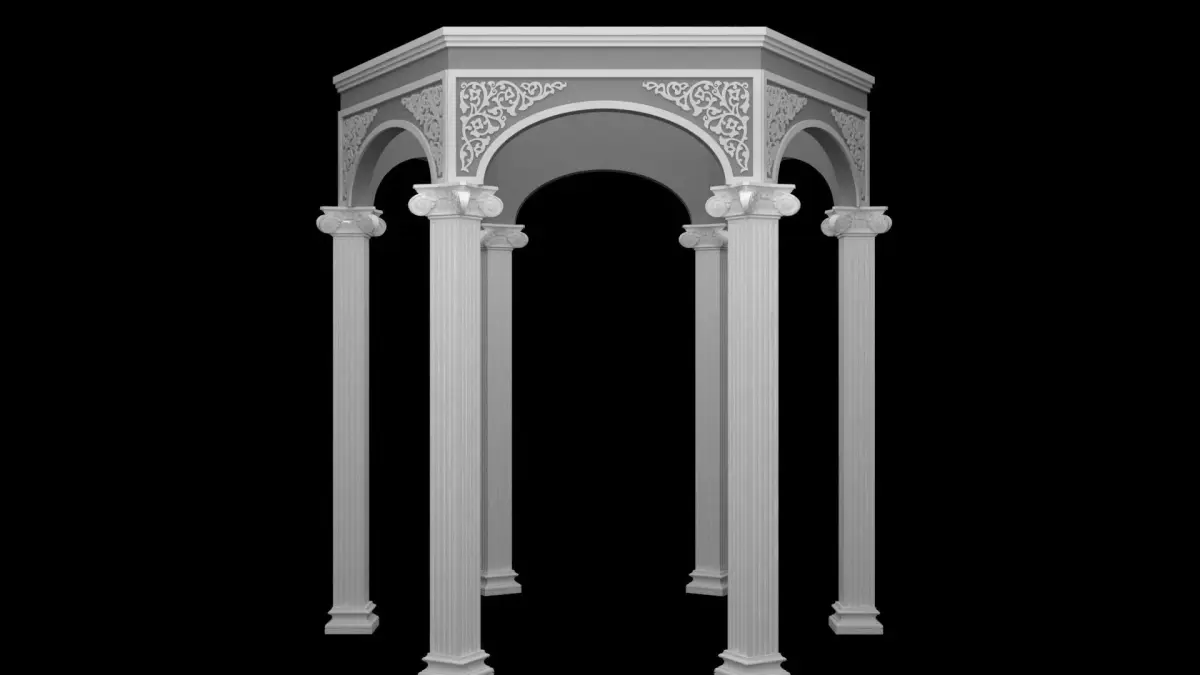
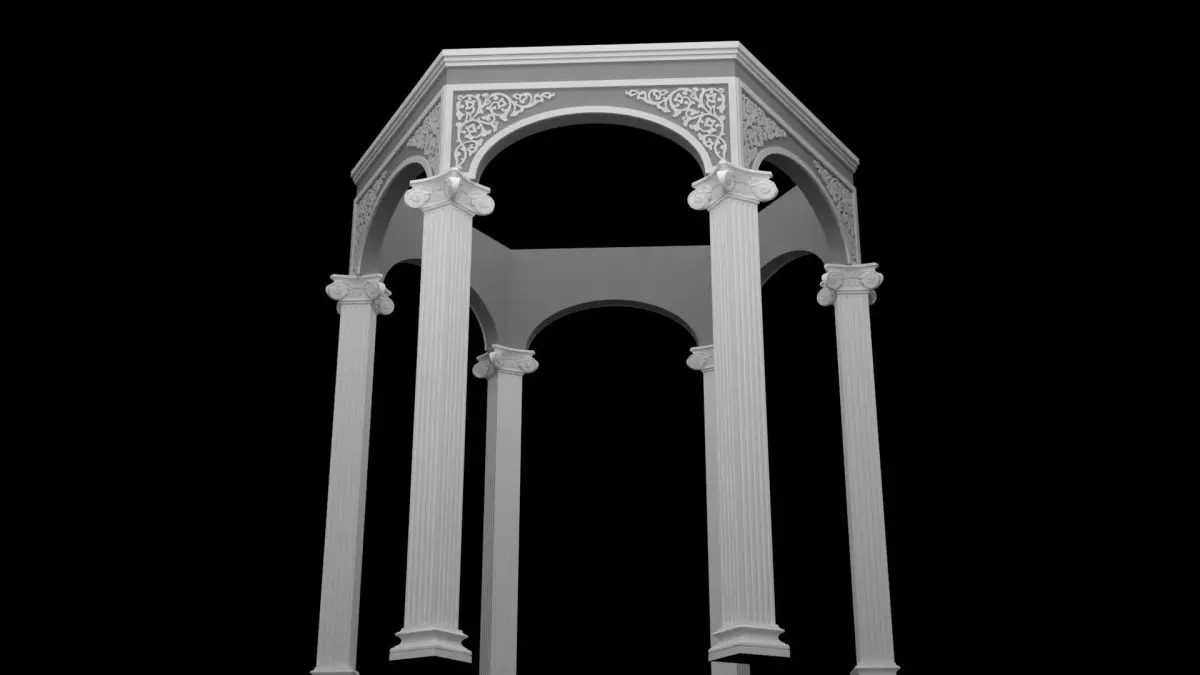
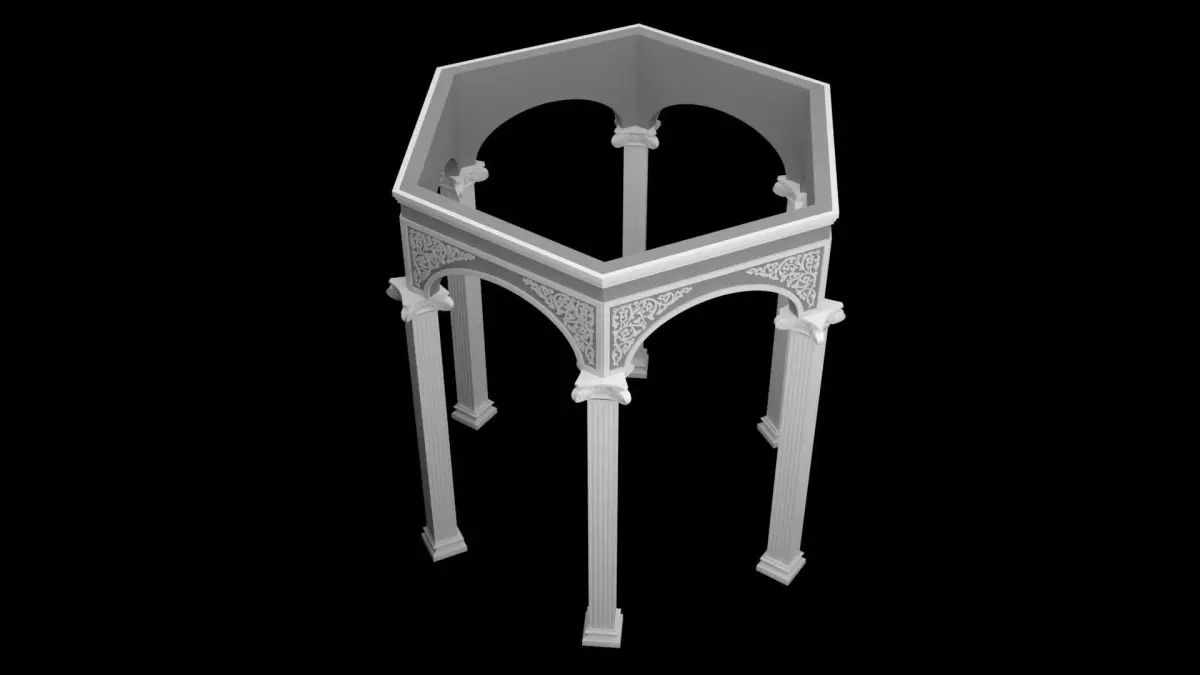
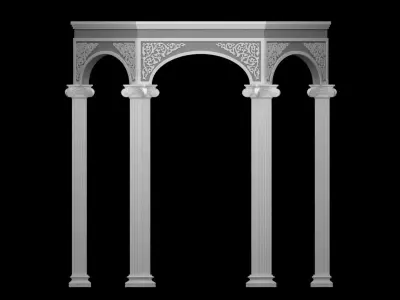
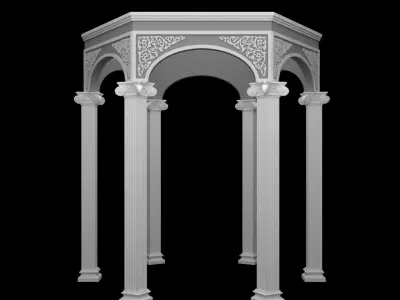
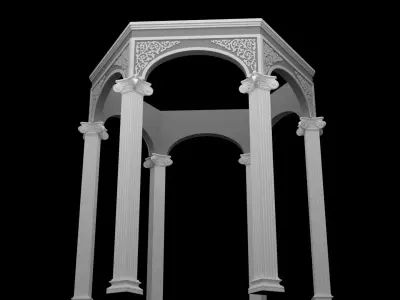
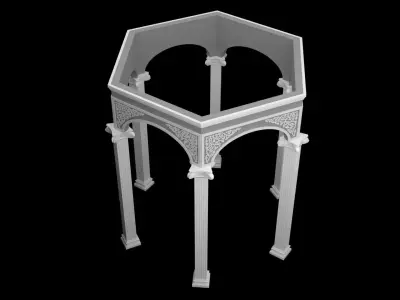
A Mandap Structure is a ceremonial pavilion used in traditional Indian weddings and religious rituals, serving as the sacred space where key ceremonies and vows are performed. It is usually designed as a four-pillared canopy, symbolizing stability, support, and the presence of sacred elements from all four directions.
Mandap structures are crafted using materials such as wood, metal, fiberglass, or decorative fabricated panels, depending on whether the setup is permanent, semi-permanent, or temporary for events. The structure is often richly decorated with fabric drapes, fresh or artificial flowers, carvings, lattice panels, domes, arches, or traditional motifs to create a grand and auspicious appearance.
From a design perspective, mandap structures can range from simple and elegant frames to highly elaborate palace-style or temple-inspired installations. Modern mandaps may include lighting integration, mirror work, CNC-cut panels, or contemporary geometric patterns while still maintaining traditional symbolism.
Functionally, the mandap structure defines the ceremonial area, creates a visual focal point for the event, and provides a sheltered, sacred environment for rituals. It plays a central role in enhancing the overall aesthetic and cultural significance of the wedding or ceremony.
STL (Stereolithography, filesize: 26.9 MB), OBJ (OBJ, filesize: 45.4 MB), FBX (Autodesk FBX, filesize: 19.2 MB), MAX (Autodesk 3ds Max, filesize: 4.09 MB)