High-quality 3D assets at affordable prices — trusted by designers, engineers, and creators worldwide. Made with care to be versatile, accessible, and ready for your pipeline.
Included File Formats
This model is provided in 14 widely supported formats, ensuring maximum compatibility:
• - FBX (.fbx) – Standard format for most 3D software and pipelines
• - OBJ + MTL (.obj, .mtl) – Wavefront format, widely used and compatible
• - STL (.stl) – Exported mesh geometry; may be suitable for 3D printing with adjustments
• - STEP (.step, .stp) – CAD format using NURBS surfaces
• - IGES (.iges, .igs) – Common format for CAD/CAM and engineering workflows (NURBS)
• - SAT (.sat) – ACIS solid model format (NURBS)
• - DAE (.dae) – Collada format for 3D applications and animations
• - glTF (.glb) – Modern, lightweight format for web, AR, and real-time engines
• - 3DS (.3ds) – Legacy format with broad software support
• - 3ds Max (.max) – Provided for 3ds Max users
• - Blender (.blend) – Provided for Blender users
• - SketchUp (.skp) – Compatible with all SketchUp versions
• - AutoCAD (.dwg) – Suitable for technical and architectural workflows
• - Rhino (.3dm) – Provided for Rhino users
Model Info
• - All files are checked and tested for integrity and correct content
• - Geometry uses real-world scale; model resolution varies depending on the product (high or low poly)
• • - Scene setup and mesh structure may vary depending on model complexity
• - Rendered using Luxion KeyShot
• - Affordable price with professional detailing
Buy with confidence. Quality and compatibility guaranteed.
If you have any questions about the file formats, feel free to send us a message — we're happy to assist you!
Sincerely,
SURF3D
Trusted source for professional and affordable 3D models.
More Information About 3D Model :
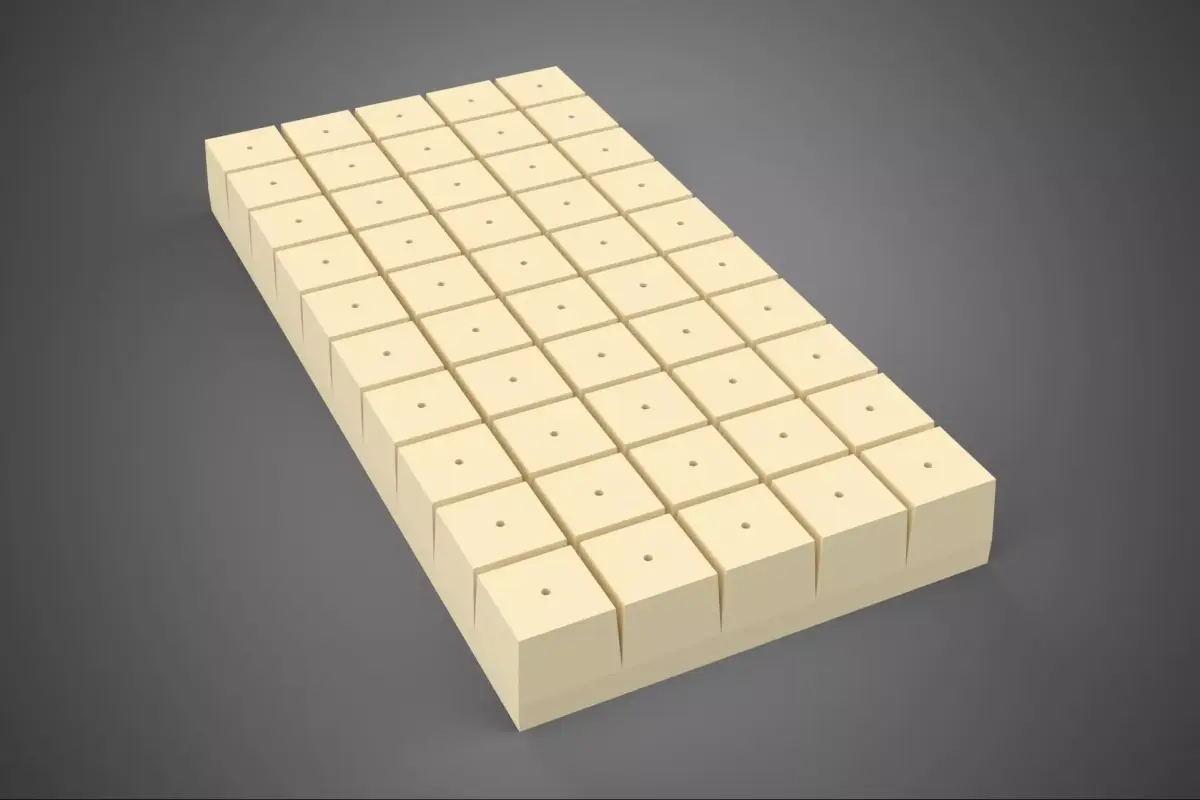
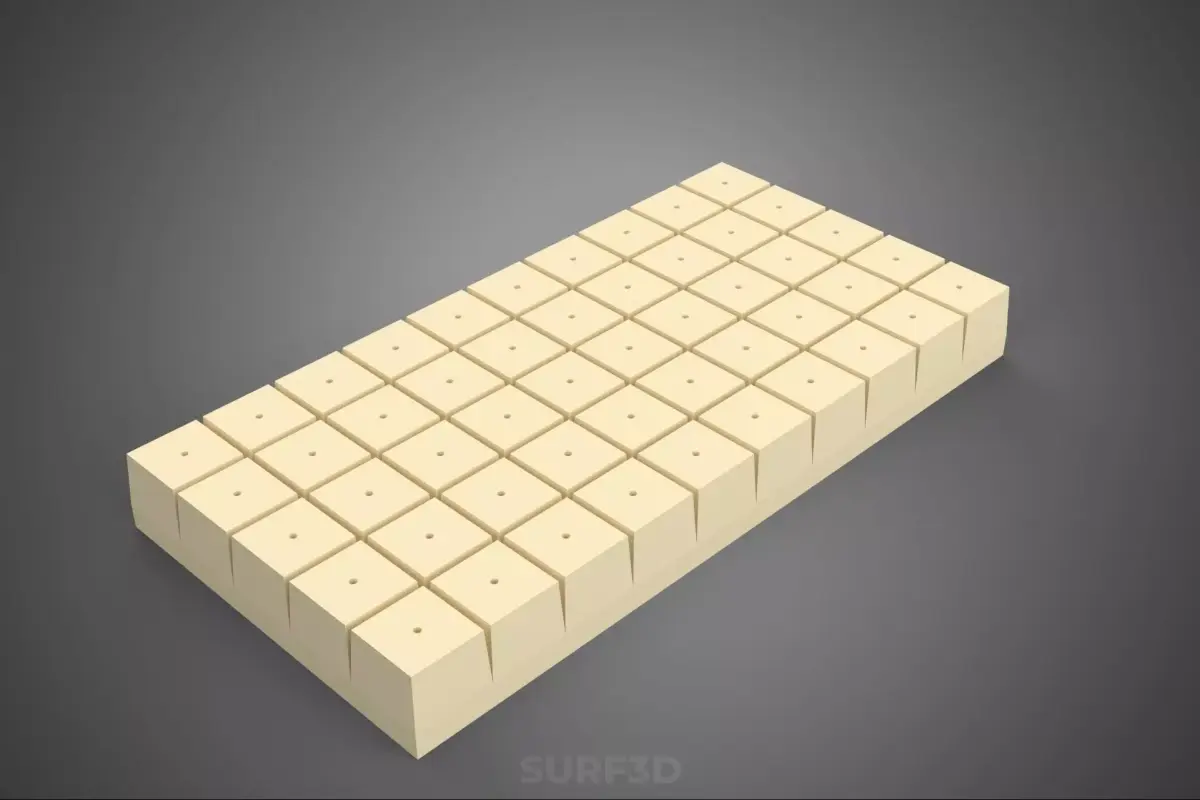
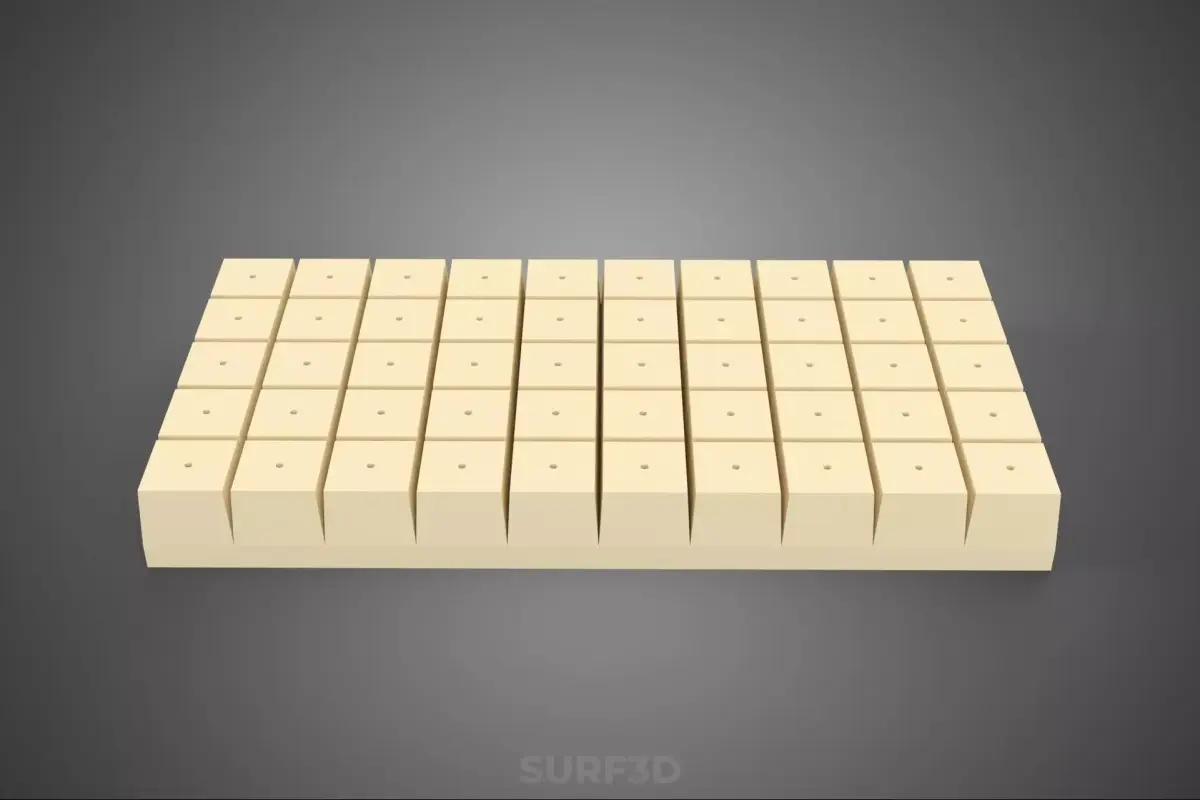
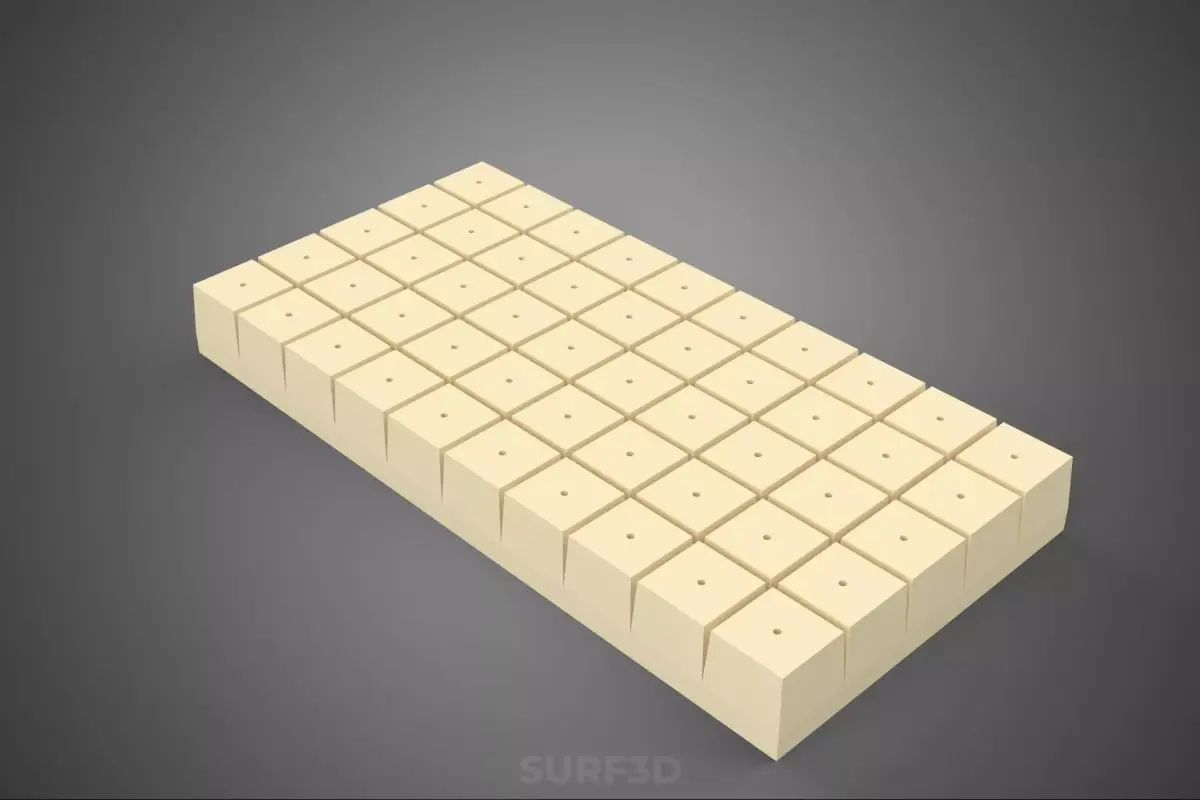
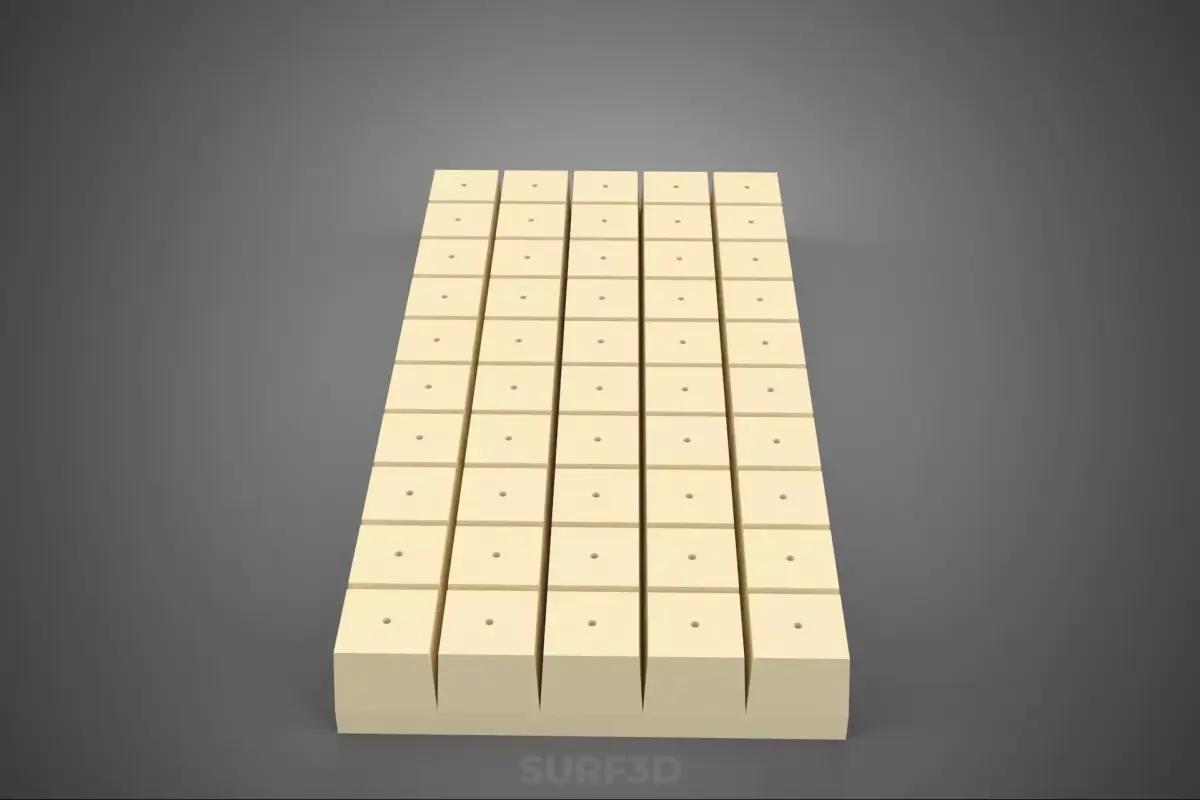
CUBE BLOCK SPONGE MEDIUM HYDROPONIC SEEDLING PLANT STONEWOOL KIT
The Cube Block Sponge Medium Hydroponic Seedling Plant Stonewool Kit describes a commercially packaged, standardized substrate system specifically engineered for the propagation and initial growth phase of plant seedlings within controlled environment agriculture (CEA), particularly hydroponic and aeroponic systems. This substrate, commonly known as rockwool or mineral wool, functions as an inert medium providing structural support, controlled water retention, and essential aeration for developing root structures.
Material Composition and Production
The foundational component of the kit is the stonewool cube block. Stonewool is manufactured by melting basalt rock and/or dolomite at extremely high temperatures (approximately 1,600 °C) and subsequently spinning the molten material into fine, cotton candy-like fibers. These fibers are then compressed, formed into sheets, and treated with phenolic resin binders to maintain structural integrity. The resulting product is characterized by its high porosity, light density, and resistance to degradation.
Crucially, stonewool is inherently sterile and chemically inert. While the initial pH of the material is typically alkaline (above pH 7.5), the medium is conditioned prior to use—often through pre-soaking with an acidic solution—to achieve a stable, plant-friendly pH range (typically 5.5 to 6.5) suitable for nutrient uptake in hydroponic systems.
Geometric Configuration and Function
The product is presented in pre-cut, standardized cubic or block shapes (hence Cube Block). The term Sponge refers to the material’s ability to absorb and hold substantial volumes of nutrient solution via capillary action, while simultaneously maintaining large air pockets (high air-filled porosity, typically 10–20% when saturated) crucial for root zone oxygenation.
The Medium designation refers to the typical size standardization of the blocks included in the kit, usually dimensions ranging from 2.5 cm x 2.5 cm (1 inch cubes) up to 7.5 cm x 7.5 cm. These intermediate sizes are optimal for housing germinated seeds and supporting initial root development before the seedling is robust enough for permanent transplantation into larger slabs, grow channels (NFT), or deeper reservoirs (DWC).
Application in Seedling Propagation
The kit's primary function is as a propagation medium for seeds or cuttings.
- Preparation: The stonewool cubes are pre-drilled or fabricated with a small central hole designed to cradle a single seed or the base of a plant cutting. Before sowing, the cubes are saturated with a pH-adjusted, diluted nutrient solution.
- Sowing and Germination: Seeds are placed into the central cavity. The cube provides thermal insulation, moisture regulation, and darkness, promoting high germination rates.
- Transplantation: Once the root mass has adequately developed within the cube—a stage typically marked by root emergence from the sides or bottom of the block—the entire cube serves as a protected base for transfer. The stonewool unit is placed directly into the final hydroponic system (e.g., stacked onto a larger stonewool slab or placed into net pots filled with an aggregate medium), minimizing transplant shock.
### Advantages in Soilless Culture
Stonewool blocks are widely utilized in commercial hydroponics due to several key attributes: precise water content control, lack of biological contaminants (pathogens, weeds), high reproducibility and standardization across cultivation batches, and excellent drainage characteristics that mitigate the risk of waterlogging and root rot. The inert nature ensures that all required nutrients are delivered strictly via the externally managed nutrient solution, allowing for meticulous control over plant fertilization regimes.
KEYWORDS: Hydroponics, Stonewool, Rockwool, Substrate, Seedling, Propagation, Soilless Culture, Mineral Wool, Growing Medium, Seed Starter, Germination, Cube Block, Controlled Environment Agriculture, CEA, Aeroponics, Root Zone, Inert Medium, Porosity, Capillary Action, Transplantation, Nutrient Film Technique, DWC, Rockwool Cube, pH Regulation, Basalt Fiber, Grow Kit, Commercial Horticulture, Horticulture, Plant Propagation, Medium Density.
STL (Stereolithography, filesize: 371 KB), OBJ (OBJ, filesize: 729 KB), 3DM (Rhinoceros 3D, filesize: 126 KB), DWG (AutoCAD, filesize: 361 KB), DAE (Collada, filesize: 1.34 MB), 3DS (3D Studio, filesize: 285 KB), GLTF (glTF, filesize: 356 KB), STP (STEP, filesize: 67.9 KB), IGE (IGES, filesize: 81.8 KB), BLEND (Blender, filesize: 1.32 MB), MAX (Autodesk 3ds Max, filesize: 2.93 MB), SAT (3D ACIS, filesize: 767 KB), FBX (Autodesk FBX, filesize: 390 KB), SKP (Sketchup, filesize: 56.6 KB)