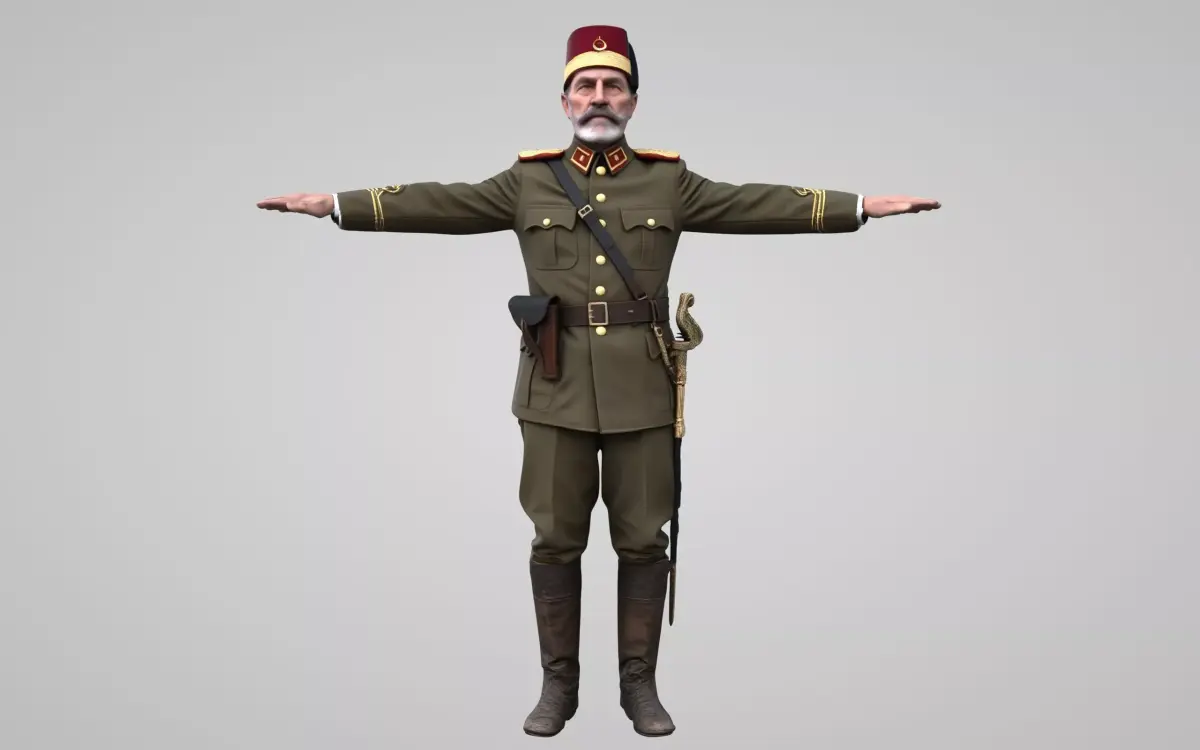
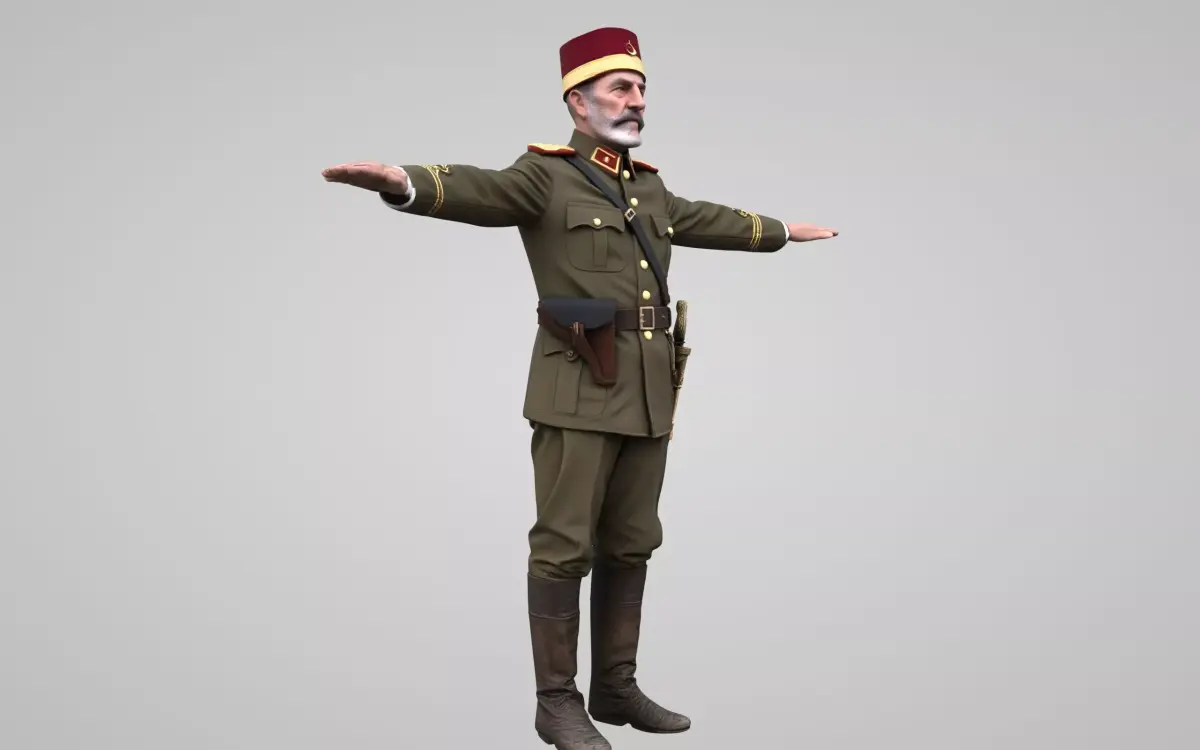
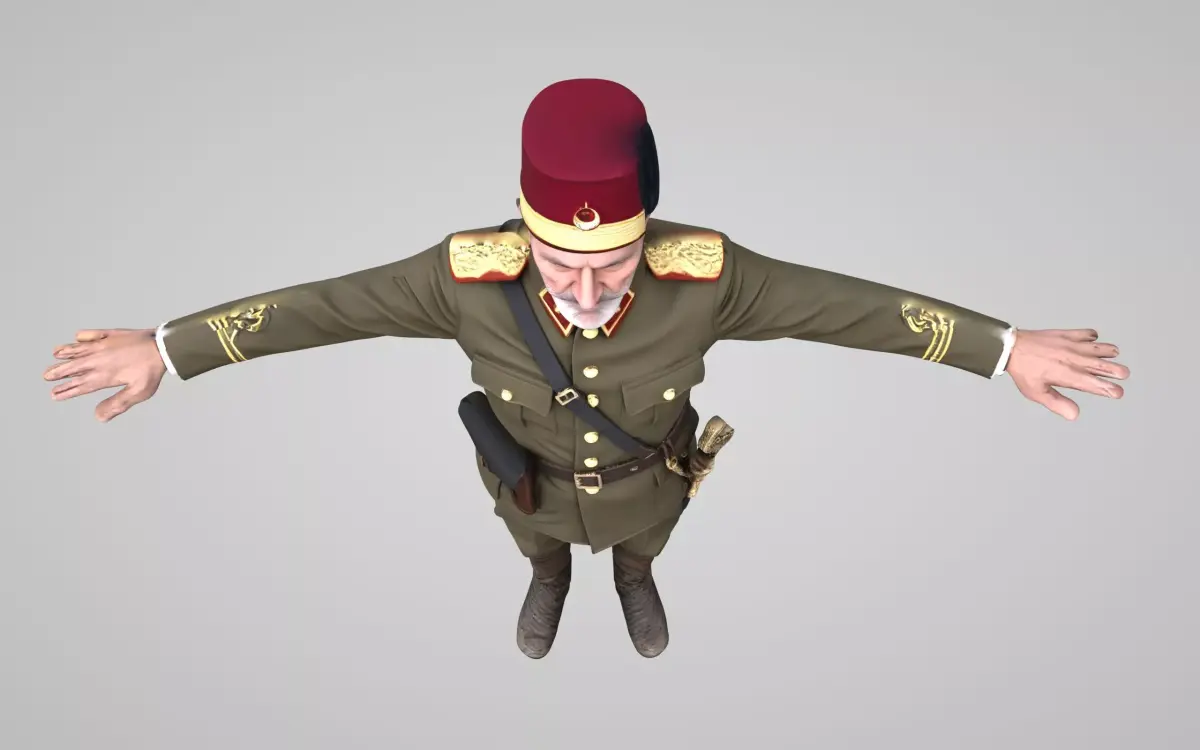
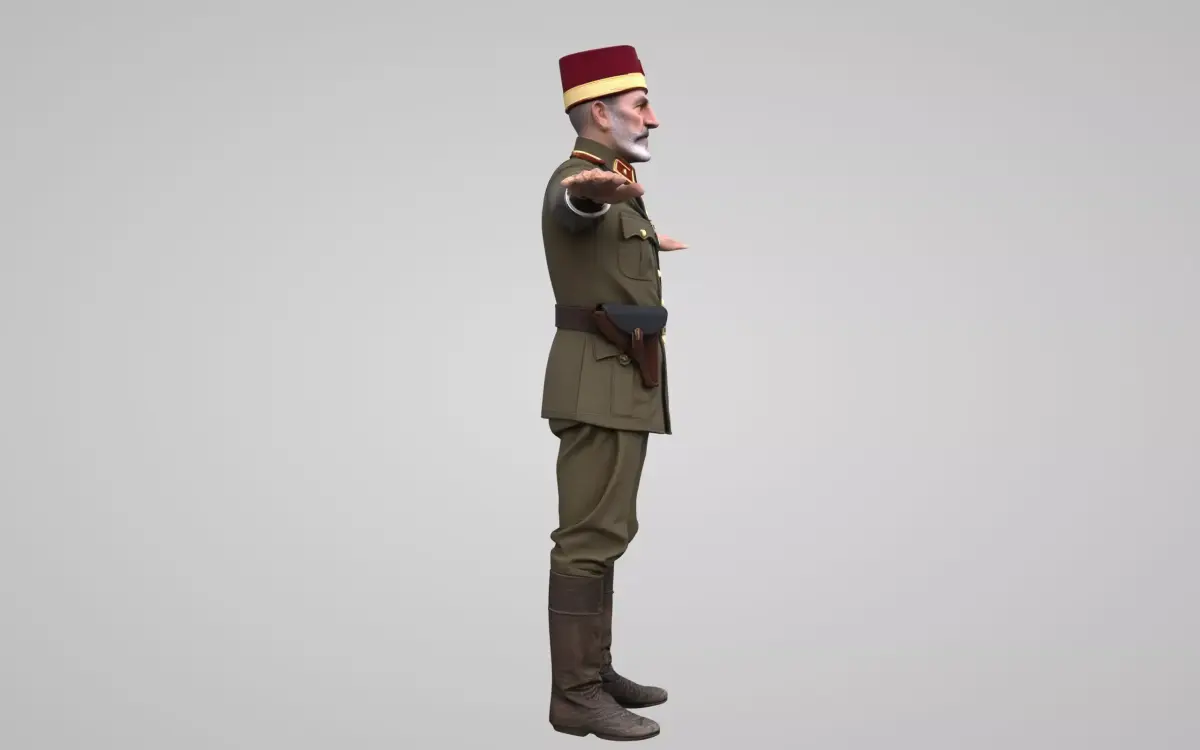
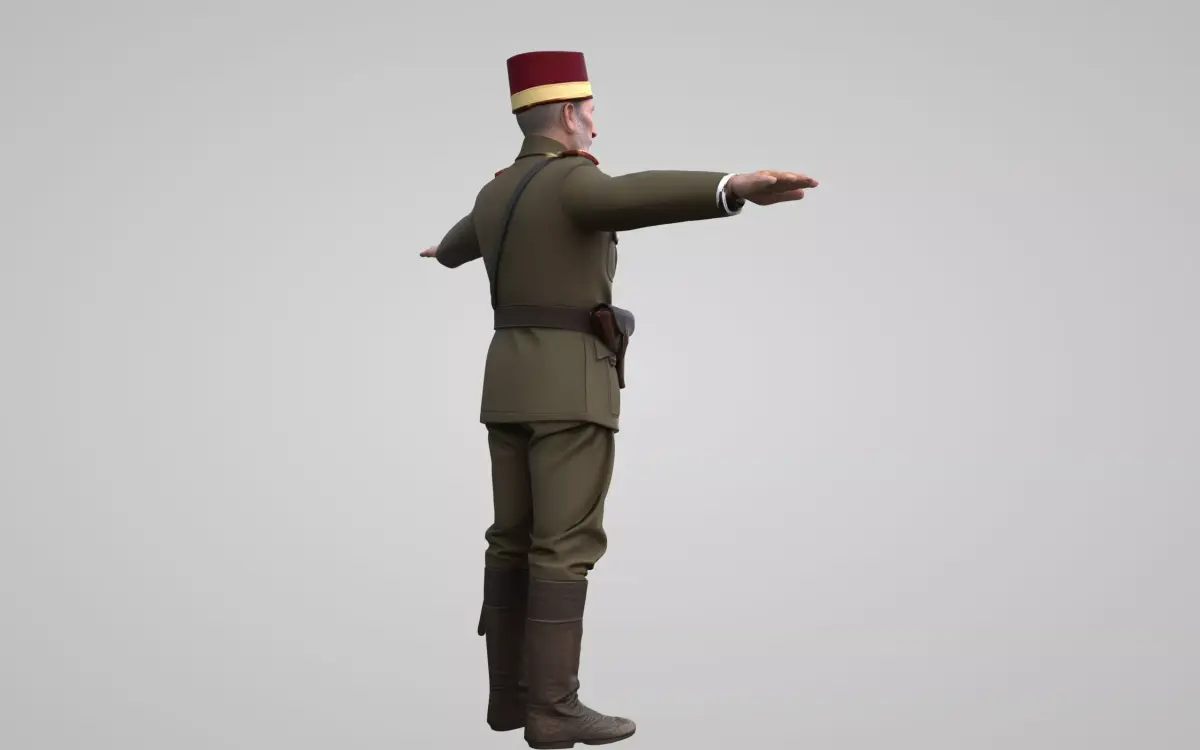
The Gallipoli campaign, the Dardanelles campaign, the Defence of Gallipoli or the Battle of Gallipoli (Turkish: Gelibolu Muharebesi, Çanakkale Muharebeleri or Çanakkale Savaşı) was an unsuccessful military campaign in the First World War on the Gallipoli Peninsula (now Gelibolu) from 19 February 1915 to 9 January 1916. The Allied powers, Britain, France and the Russian Empire, sought to make the Ottoman Empire, one of the Central Powers, capitulate by taking control of the Turkish straits. They intended to expose the Ottoman capital at Constantinople to bombardment by Allied warships and cut it off from the Asian part of the empire. An Ottoman Empire defeat could have led to unfettered Western control of the Suez Canal and the opening of the Bosphorus and Dardanelles straits to Allied supplies headed for the Black Sea and warm-water ports in Russia.
In February 1915, the Allied fleet failed to force a passage through the Dardanelles. An amphibious landing on the Gallipoli peninsula began in April 1915. In January 1916, after eight months' fighting, with approximately 250,000 casualties on each side, the land campaign was abandoned and the invasion force was withdrawn. It was a costly campaign for the Allied powers and the Ottoman Empire as well as for the sponsors of the expedition, especially the First Lord of the Admiralty (1911–1915), Winston Churchill. The campaign is considered a Turkish victory.
STL (Stereolithography, filesize: 23.8 MB), DAE (Collada, filesize: 47.8 MB), JPG (JPG, filesize: 27 MB), PNG (PNG, filesize: 27 MB), FBX (Autodesk FBX, filesize: 95.6 MB), 3DS (3D Studio, filesize: 12.3 MB), C4D (Cinema 4D, filesize: 28.9 MB)