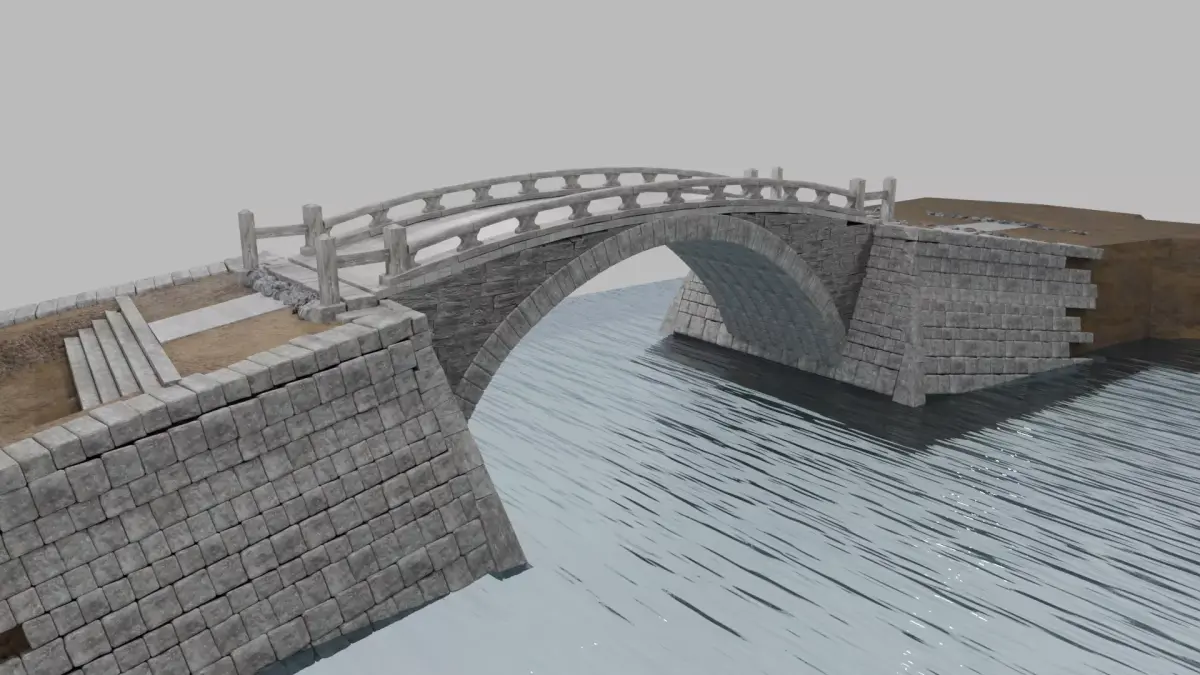
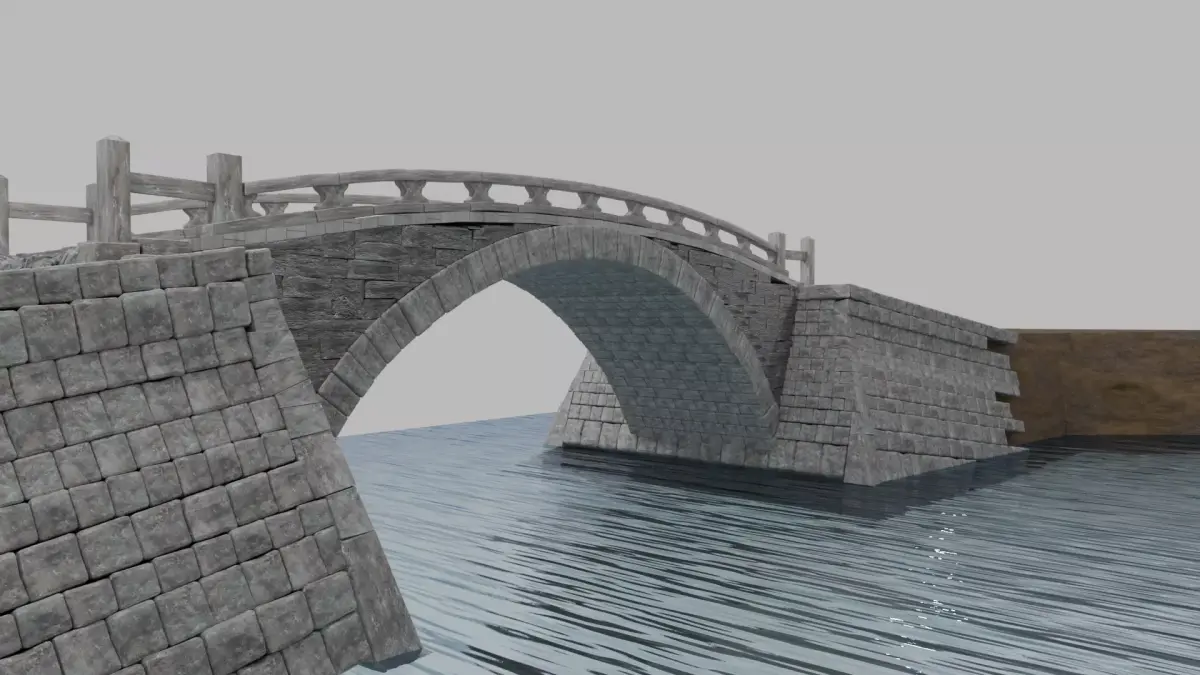
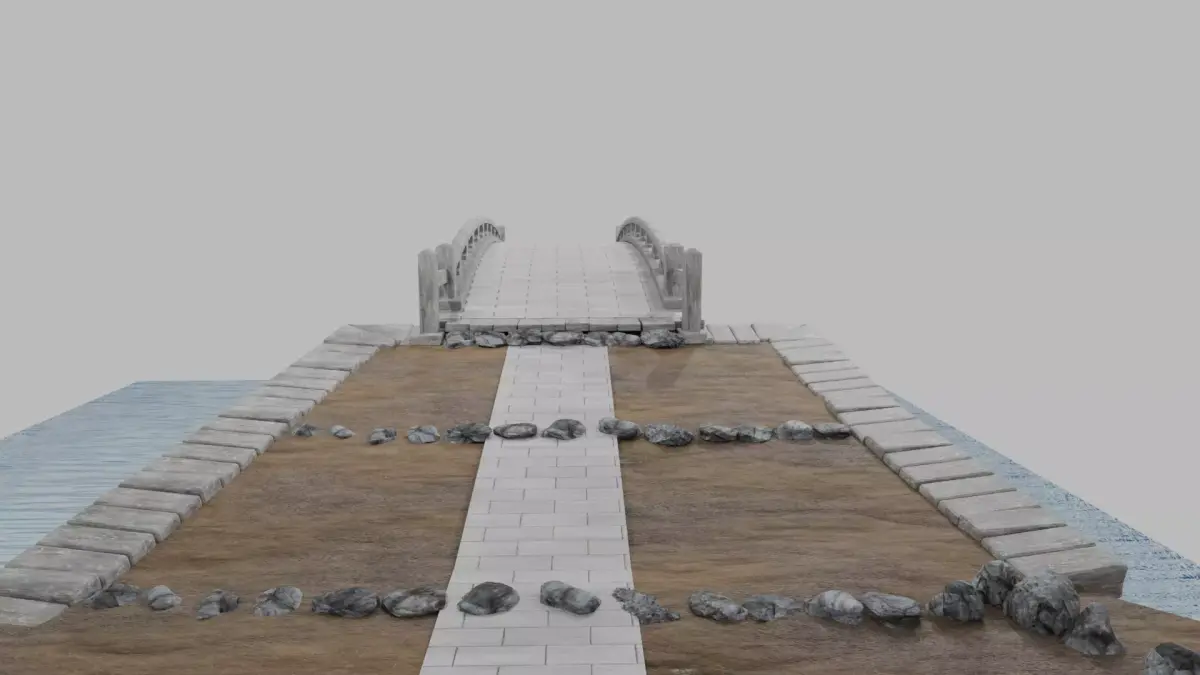
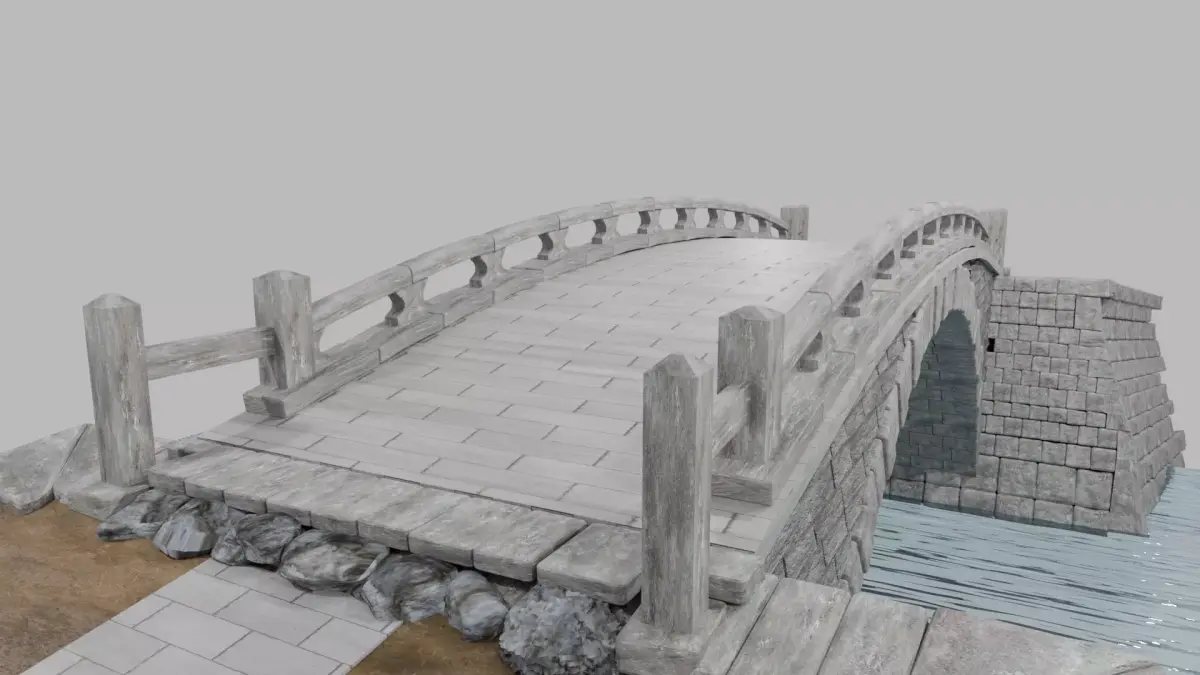
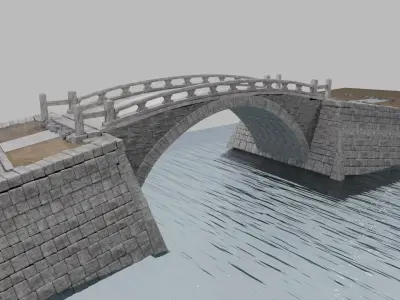
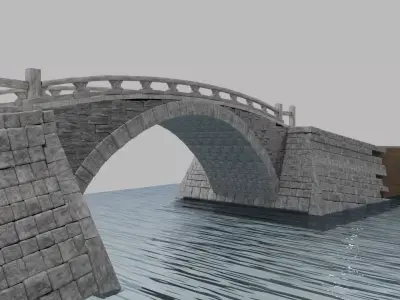
The Saiwai Bridge (幸橋, Saiwaibashi) is a nationally designated Important Cultural Property: a stone single‑arch bridge built in 1702, notable for its flattened arch and historical ties to Hirado’s foreign trade era.
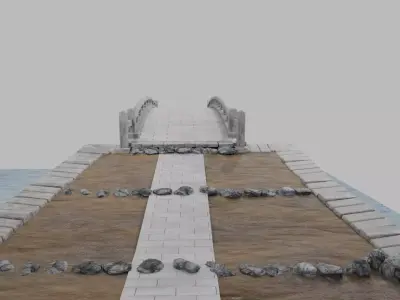
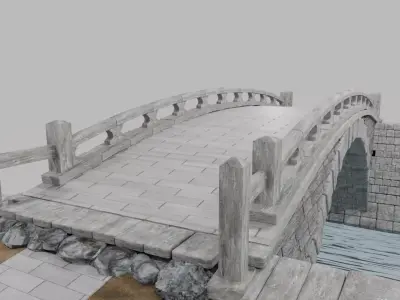
OverviewSaiwaibashi spans the Kagamigawa near Hirado Castle in Nagasaki Prefecture and is officially listed as a National Important Cultural Property. The present stone bridge dates to Genroku 15 (1702) and replaced an earlier wooden crossing; it measures 19.8 m in length and 5.2 m in width, and is characterized by a single, relatively flat stone arch with high balustrades.
Historical contextThe bridge’s origin is tied to the needs of Hirado as a thriving port in the early modern period. A wooden bridge first built in 1669 eased local transport, and the stone replacement was commissioned by the Matsura domain in 1702. Because the stonework is said to have drawn on techniques associated with masons who worked on the Dutch trading post buildings in Hirado, the structure has long been nicknamed the “Dutch Bridge” (Oranda‑bashi) in local tradition.
Architectural and cultural significanceSaiwaibashi is an excellent surviving example of early Edo‑period stone arch engineering in Japan. Its flattened single‑arch form demonstrates advanced stonemasonry for the region and period, reflecting technical exchange and adaptation of masonry skills in a port city engaged with foreign traders. The bridge’s construction and later conservation work make it an important physical record for understanding local building techniques and the cultural landscape of Hirado during its trading heyday.
Stone bridges in Japan — supplementary noteStone bridges occupy a particular place in Japan’s architectural history: while wooden bridges have been predominant for centuries, stone arch bridges began to appear more frequently from the early 17th century onward, often in port towns and urban centers where durability and fire resistance were priorities. Notable stone bridges such as Meganebashi in Nagasaki and later stone reconstructions of major urban crossings illustrate how stonework became a marker of civic pride, technical progress, and international influence during the Edo and subsequent periods.
BLEND (Blender, filesize: 90 MB), OBJ (OBJ, filesize: 46.2 MB), FBX (Autodesk FBX, filesize: 21 MB), JPG (JPG, filesize: 33 MB)