High-quality 3D assets at affordable prices — trusted by designers, engineers, and creators worldwide. Made with care to be versatile, accessible, and ready for your pipeline.
Included File Formats
This model is provided in 14 widely supported formats, ensuring maximum compatibility:
• - FBX (.fbx) – Standard format for most 3D software and pipelines
• - OBJ + MTL (.obj, .mtl) – Wavefront format, widely used and compatible
• - STL (.stl) – Exported mesh geometry; may be suitable for 3D printing with adjustments
• - STEP (.step, .stp) – CAD format using NURBS surfaces
• - IGES (.iges, .igs) – Common format for CAD/CAM and engineering workflows (NURBS)
• - SAT (.sat) – ACIS solid model format (NURBS)
• - DAE (.dae) – Collada format for 3D applications and animations
• - glTF (.glb) – Modern, lightweight format for web, AR, and real-time engines
• - 3DS (.3ds) – Legacy format with broad software support
• - 3ds Max (.max) – Provided for 3ds Max users
• - Blender (.blend) – Provided for Blender users
• - SketchUp (.skp) – Compatible with all SketchUp versions
• - AutoCAD (.dwg) – Suitable for technical and architectural workflows
• - Rhino (.3dm) – Provided for Rhino users
Model Info
• - All files are checked and tested for integrity and correct content
• - Geometry uses real-world scale; model resolution varies depending on the product (high or low poly)
• • - Scene setup and mesh structure may vary depending on model complexity
• - Rendered using Luxion KeyShot
• - Affordable price with professional detailing
Buy with confidence. Quality and compatibility guaranteed.
If you have any questions about the file formats, feel free to send us a message — we're happy to assist you!
Sincerely,
SURF3D
Trusted source for professional and affordable 3D models.
More Information About 3D Model :
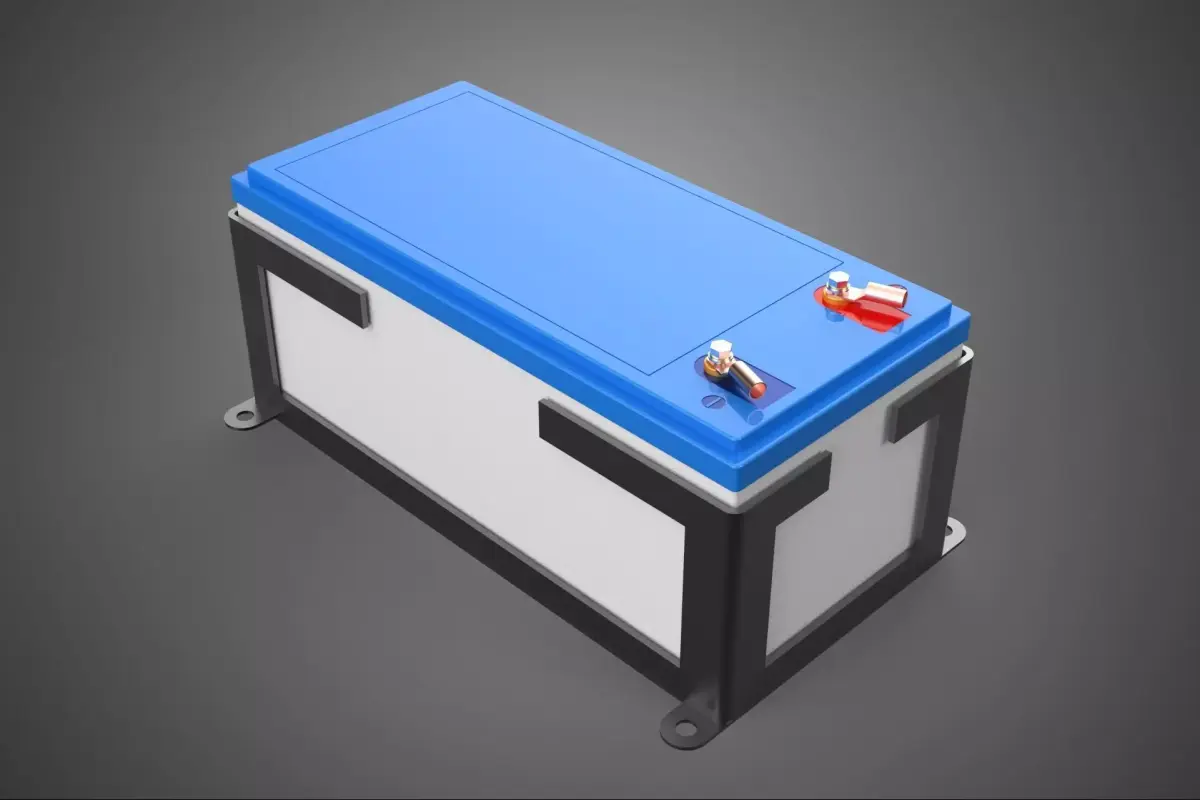
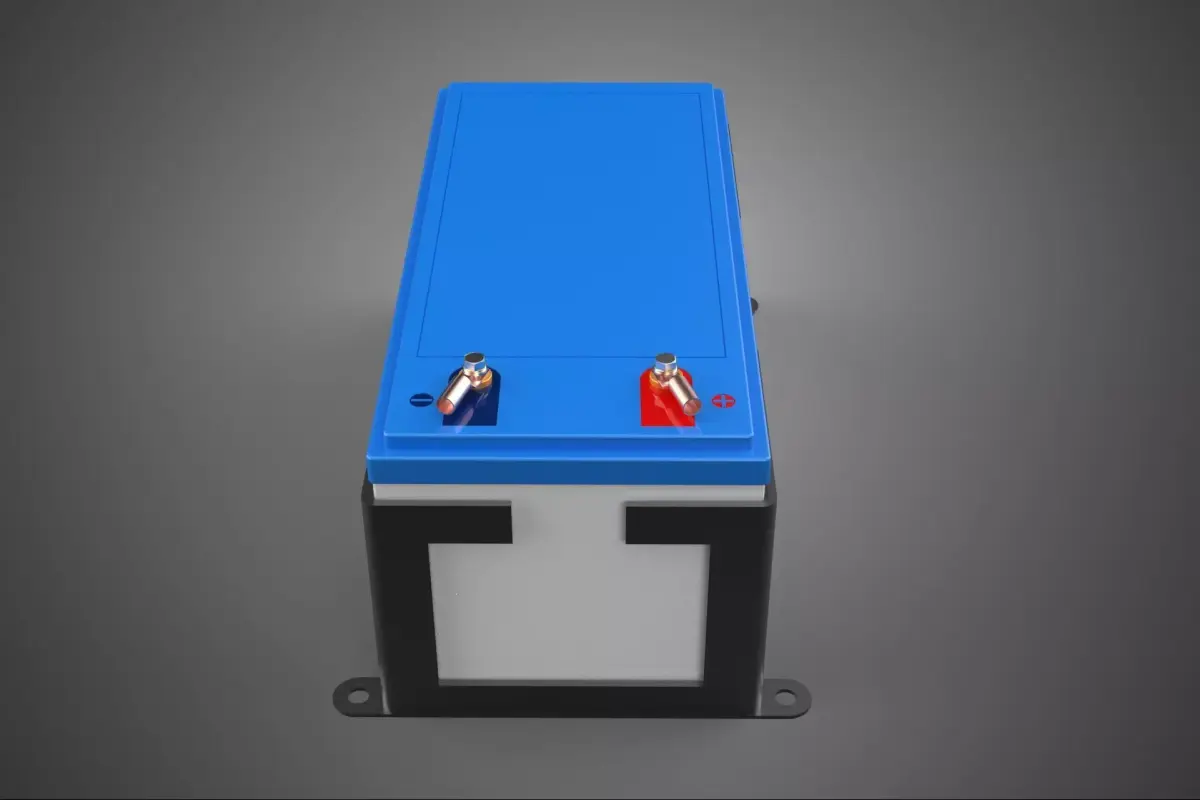
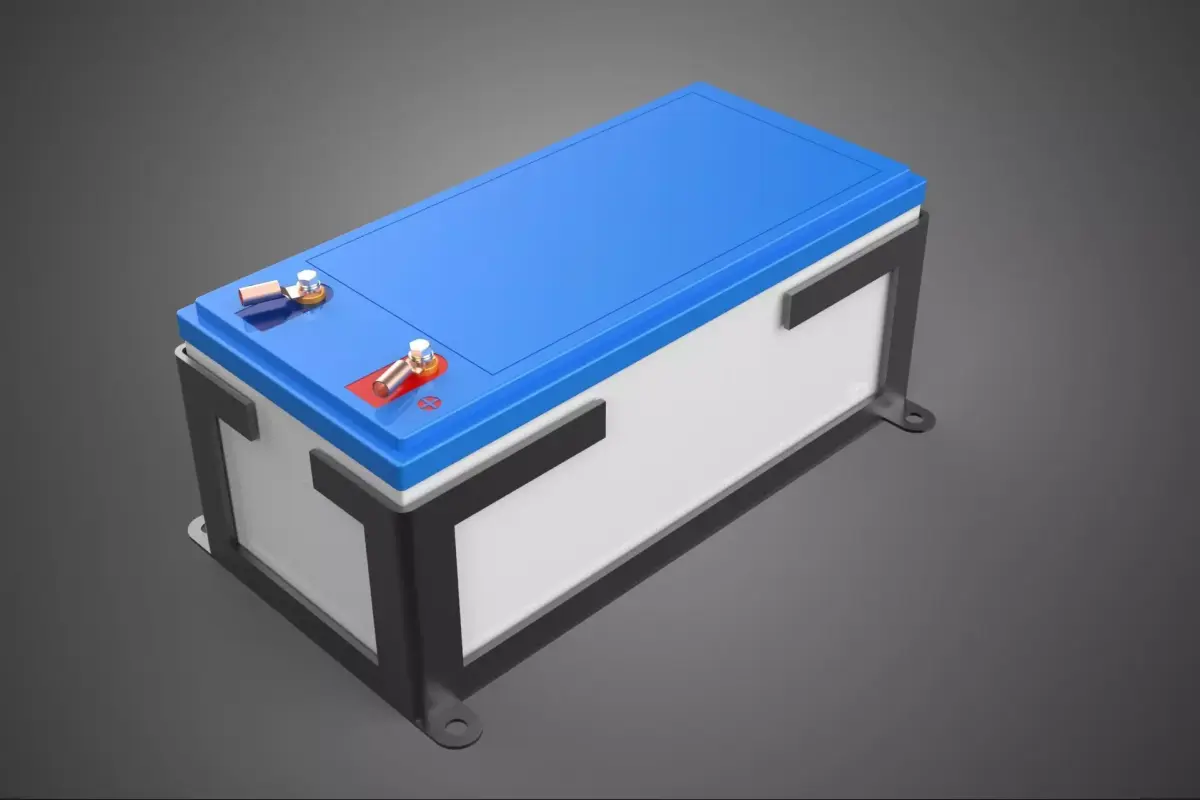
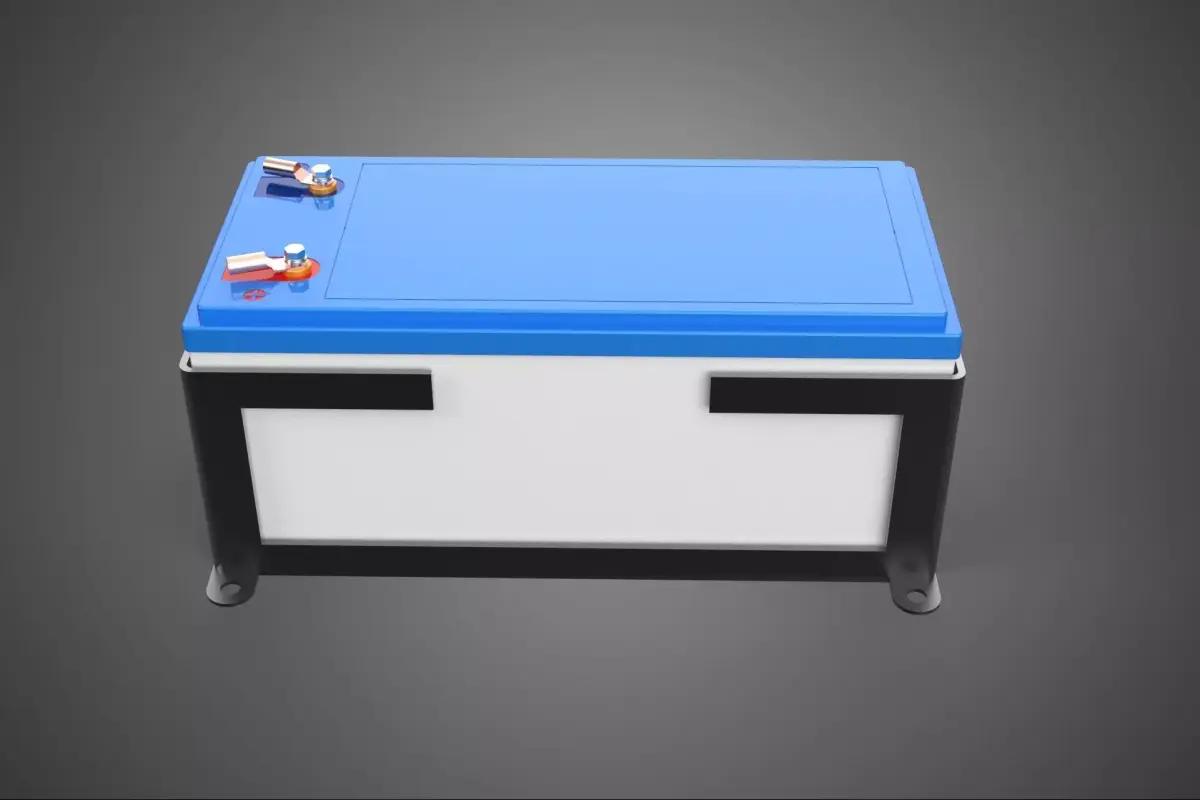
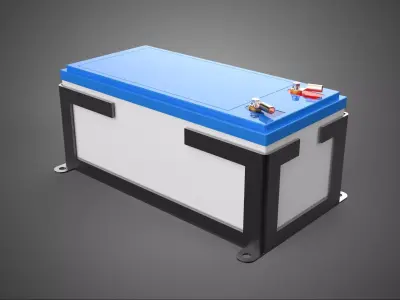
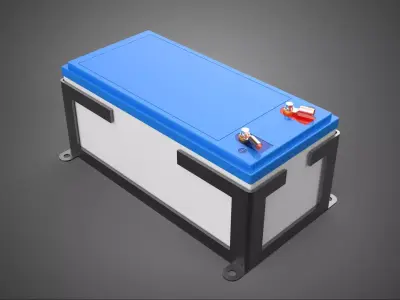
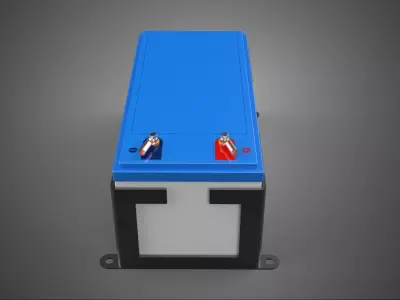
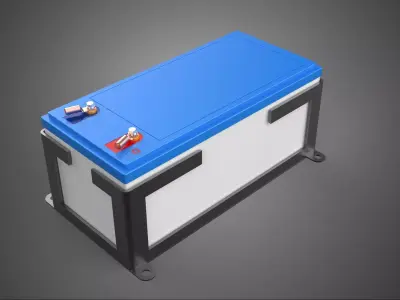
The Standard Battery Accumulator Casing Mounting Frame Holder refers to the comprehensive mechanical and structural subsystem designed to enclose, protect, secure, and integrate an electrochemical energy storage unit (battery or accumulator) within a larger operational system. This assembly is critical for ensuring the safety, operational lifespan, and mechanical stability of the power source. Often referred to collectively as the Battery Enclosure System (BES) or Battery Mounting System (BMS), this apparatus manages the physical interface between the electrochemical cells and the host application, such as an automotive chassis, uninterrupted power supply (UPS) rack, or industrial equipment.
Nomenclature and Definition
The composite term reflects the distinct functional components:
- Casing/Accumulator Housing: The rigid outer shell that immediately encapsulates the cell assembly, terminal posts, and internal components. It provides primary insulation and protection.
- Mounting Frame/Holder: The secondary structural element designed to secure the cased battery firmly to the equipment chassis, mitigating movement, vibration, and shock during operation.
These systems are subject to stringent industrial and regulatory specifications, dictating dimensions, materials, terminal placement, and safety features to ensure standardized interchangeability and safe operation.
### Functional Requirements and Purpose
The primary objective of the casing and mounting frame holder system is multi-faceted:
- Mechanical Protection: The casing acts as a physical barrier, shielding the internal cells from external ingress (dust, moisture, contaminants) and mitigating damage from impact or external pressure.
- Structural Integrity: The frame and casing must support the substantial weight of the accumulator (particularly salient in lead-acid and large-format lithium systems) and withstand dynamic loads, including vehicular vibration, sudden acceleration, and deceleration forces. The frame often incorporates tie-down points to restrain the battery effectively.
- Electrical Isolation: The casing material, typically a robust, high-dielectric strength polymer (e.g., polypropylene, ABS, or specialized engineering plastics), prevents unintended electrical short circuits between the battery terminals and the metallic structure of the host system.
- Thermal Management: The design often facilitates heat dissipation or, conversely, insulation, depending on the operational environment and chemistry. Vented casings (common in flooded lead-acid batteries) incorporate pressure relief mechanisms or labyrinth seals to safely manage off-gassing, while sealed enclosures prevent internal moisture loss.
- Vibration Damping: The mounting frame frequently incorporates elastomeric isolators or specialized bushings designed to attenuate high-frequency vibration transmitted from the chassis, which can significantly damage cell components and internal connections over time.
### Design and Materials Specification
Casing Construction:
Standard battery casings are predominantly fabricated using injection-molded, chemical-resistant thermoplastics. Materials like polypropylene (PP) are preferred for their cost-effectiveness, high strength-to-weight ratio, and resistance to common electrolyte chemistries (e.g., sulfuric acid). For high-performance or specialized applications (e.g., military, aerospace, large electric vehicle packs), casings may utilize reinforced composites or metal alloys (aluminum) where superior thermal conductivity or structural rigidity is mandatory.
Mounting Frame and Holder:
The mounting frame is often constructed from stamped or welded steel, aluminum, or robust structural polymers. Its design is system-specific, integrating directly with the vehicle body or fixed rack infrastructure. Key design features include:
- Hold-Down Mechanism: Secure clamping mechanisms (straps, bars, or specialized bolted retention points) that anchor the casing to the frame, ensuring the battery remains immobile under extreme conditions.
- Chassis Interface: Specific bolt patterns or interlocking features that facilitate rapid installation and removal while maintaining a secure connection to the host equipment.
- Environmental Sealing: In applications requiring protection against harsh environmental conditions, the casing and frame interface may incorporate gaskets or seals to prevent liquid ingress.
### Standardization and Classification
The dimensions and terminal configurations of standard battery casings and mounting interfaces are frequently governed by industry bodies to ensure interoperability. In North America, the Battery Council International (BCI) standards define Group Sizes (e.g., Group 24, Group 65) which specify the maximum casing dimensions and terminal layout. Internationally, standards set by organizations like the International Electrotechnical Commission (IEC) govern similar mechanical specifications for various battery types, facilitating global manufacturing and replacement procedures.
KEYWORDS: Battery Enclosure System, Accumulator Housing, Mounting Frame, Structural Integrity, BCI Standards, IEC Specifications, Vibration Damping, Mechanical Interface, Thermal Management, Polypropylene Casing, ABS Plastic, Chassis Integration, Hold-Down Mechanism, Terminal Protection, Electrochemical Storage, Dynamic Loads, Industrial Design, Automotive Battery, UPS System, Battery Holder, Protective Shell, Component Standardization, Material Specification, High-Density Polymer, Elastomeric Isolators, Electrical Isolation, Impact Resistance, Off-Gassing Management, Retention Points, Gasket Sealing.
STL (Stereolithography, filesize: 698 KB), OBJ (OBJ, filesize: 1.22 MB), IGE (IGES, filesize: 1.66 MB), BLEND (Blender, filesize: 1.9 MB), SAT (3D ACIS, filesize: 745 KB), DWG (AutoCAD, filesize: 965 KB), DAE (Collada, filesize: 2.28 MB), GLTF (glTF, filesize: 486 KB), MAX (Autodesk 3ds Max, filesize: 3.3 MB), 3DS (3D Studio, filesize: 442 KB), FBX (Autodesk FBX, filesize: 490 KB), 3DM (Rhinoceros 3D, filesize: 2.17 MB), SKP (Sketchup, filesize: 829 KB), STP (STEP, filesize: 840 KB)