
Publication date: 2026-02-02
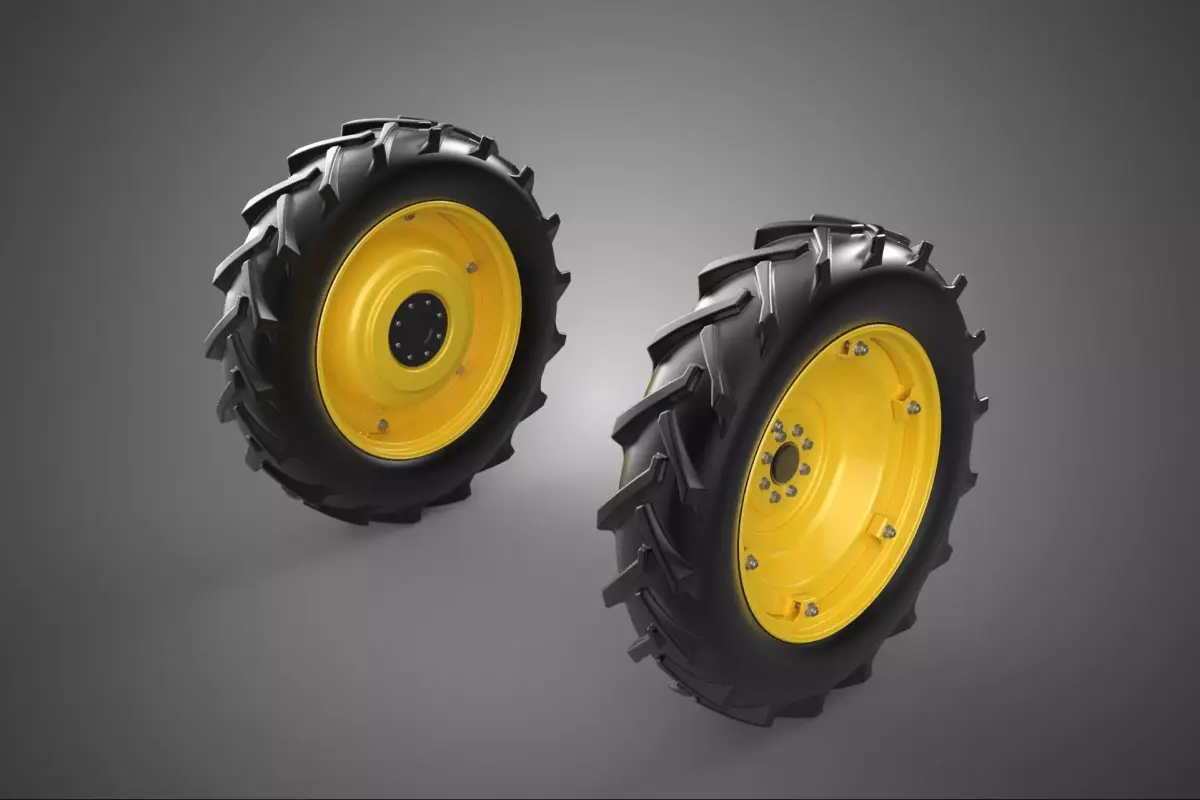
Buy TRACTOR TIRE TREAD TYRE LUG WHEEL RUBBER RIM HUB GRIP DIRT ROAD 3D model
$14
License: Royalty Free
Rigged
PBR
Realtime
Animated
Free

author:
SURF3D
Renders and source materials belong to the author SURF3D.
Specifications
- Platform
- cgtrader
- Animated
- Rigged
- 3D Print ready
- VR / AR / Low-poly
- PBR
- Textures
- Materials
- UV Mapping
- Polygons
- 267066
- Vertices
- 212324
- Geometry
- No N-gons | No faceted geometry | Manifold geometry |
Usage recommendations
Realtime rendering
✕
PC Game development
✕
Mobile Game Development
✕
VR/AR applications
✕
Visualisation
✓
Cinema
✓
Advertising
✓
3D Printing
✕
CAD Engineering
✕
E-Commerce & Interactive 3D Web
✕
FAQ
Is this a free 3D model?
No, this model costs $14.
How do I download this 3D model?
Use the "Go to purchase" button below to get this model.
What license applies to this model?
The Royalty Free license applies to this model. More details are available via the "Go to purchase" button.
Does it include rigging and animation?
This model has no rig or animation. It is a static 3D object.
Does this model have UV mapping?
No, this model does not have UV mapping.
What textures and materials does this 3D model include?
This model has materials, but no textures. Technical details are in the Specifications block, and a fuller description is in Additional information.
Can I use it for 3D printing?
No, this model is not intended for 3D printing.
Additional information
High-quality 3D assets at affordable prices — trusted by designers, engineers, and creators worldwide. Made with care to be versatile, accessible, and ready for your pipeline.
Included File Formats
This model is provided in 14 widely supported formats, ensuring maximum compatibility:
• - FBX (.fbx) – Standard format for most 3D software and pipelines
• - OBJ + MTL (.obj, .mtl) – Wavefront format, widely used and compatible
• - STL (.stl) – Exported mesh geometry; may be suitable for 3D printing with adjustments
• - STEP (.step, .stp) – CAD format using NURBS surfaces
• - IGES (.iges, .igs) – Common format for CAD/CAM and engineering workflows (NURBS)
• - SAT (.sat) – ACIS solid model format (NURBS)
• - DAE (.dae) – Collada format for 3D applications and animations
• - glTF (.glb) – Modern, lightweight format for web, AR, and real-time engines
• - 3DS (.3ds) – Legacy format with broad software support
• - 3ds Max (.max) – Provided for 3ds Max users
• - Blender (.blend) – Provided for Blender users
• - SketchUp (.skp) – Compatible with all SketchUp versions
• - AutoCAD (.dwg) – Suitable for technical and architectural workflows
• - Rhino (.3dm) – Provided for Rhino users
Model Info
• - All files are checked and tested for integrity and correct content
• - Geometry uses real-world scale; model resolution varies depending on the product (high or low poly)
• • - Scene setup and mesh structure may vary depending on model complexity
• - Rendered using Luxion KeyShot
• - Affordable price with professional detailing
Buy with confidence. Quality and compatibility guaranteed.
If you have any questions about the file formats, feel free to send us a message — we're happy to assist you!
Sincerely,
SURF3D
Trusted source for professional and affordable 3D models.
More Information About 3D Model :
The tractor tire and wheel assembly represent a highly specialized mechanical system engineered for efficient power transfer and mobility across challenging, low-cohesion terrains, such as tilled fields and unpaved dirt roads. This system integrates the flexible rubber component (the tire or tyre), the rigid structural components (the rim and hub), and the critical interface feature known as the tread lug, designed explicitly to maximize grip and minimize wheel slippage.
I. Structure and Material Composition
Tire (Tyre) and Rubber: Tractor tires are heavy-duty pneumatic devices constructed with robust rubber compounds formulated for wear resistance, UV stability, and flexibility under extreme load. They are typically designated by the U.S. Tire and Rim Association (TRA) code R-1 (regular tread depth), R-2 (deep tread for wet service), or R-3 (shallow tread/turf). The core structure, or carcass, often utilizes bias-ply or, increasingly, radial construction. Radial tires feature plies running perpendicular to the bead, offering greater flotation, reduced rolling resistance, and a larger contact patch compared to traditional bias-ply designs.
Wheel Assembly (Rim and Hub): The tire mounts onto the rim, a durable steel hoop that maintains the air seal and shape of the tire. The rim, in turn, attaches to the hub, which serves as the mechanical connection point to the tractor’s axle. This configuration facilitates the transfer of drive torque from the engine and transmission into rotational motion. For enhanced traction, the wheel assembly frequently incorporates ballast, either liquid (calcium chloride solution or water) inside the tire or heavy metal weights attached to the rim, increasing the static vertical load and improving the effective shear strength between the lug and the ground surface.
II. Tread Design and Functionality
Tread Lug and Grip: The defining characteristic of a tractor tire is its aggressive tread pattern, composed of deep, angled bars known as lugs or cleats. The vast majority of agricultural drive tires employ a directional, self-cleaning chevron pattern.
The primary function of the lug is to generate traction force by penetrating the soft surface (dirt, soil, or mud) and utilizing the shear strength of the soil matrix. The height and width of the lug directly correlate with the traction potential; deeper lugs (R-1 or R-2) are necessary for effective performance in soft or wet conditions.
The lugs are intentionally angled, typically between 30 and 45 degrees relative to the direction of travel, running from the center line to the shoulder. This angulation serves two crucial purposes:
Maximum Traction: Near the center, a steeper angle provides maximum resistance against lateral slippage.
Self-Cleaning: As the tire rotates, the flexing action and the angle of the lug help to eject packed soil and mud from the void area between the lugs. This self-cleaning mechanism is essential for maintaining effective grip, preventing the tread from becoming a smooth, inoperative circle of mud.
### III. Performance on Dirt Roads and Soil Mechanics
On dirt roads and cultivated fields, the tractor tire assembly must manage significant challenges related to high rolling resistance and low ground pressure requirements (flotation). The wide tire profile is designed to distribute the tractor’s weight over a large footprint, maintaining flotation and preventing the machine from sinking excessively into loose soil.
The relationship between tire slip and traction is critical. A certain degree of slippage (typically 10-15% in agricultural applications) is necessary to allow the lugs to engage the soil effectively and generate maximum drawbar pull. Excessive slip, however, leads to increased fuel consumption, rapid tire wear, and detrimental soil compaction or erosion, particularly on unpaved dirt road surfaces. The optimized design of the rim, hub, and lug system ensures that the transfer of immense engine torque results in controlled, forward propulsion, even under adverse environmental conditions.
KEYWORDS: Tractor, Tire, Tread, Lug, Traction, Grip, Wheel, Rim, Hub, Rubber, Cleat, Chevron, R-1, Ballast, Agricultural, Soil, Dirt Road, Flotation, Torque, Axle, Carcass, Ply, Slippage, Mobility, Shear, Propulsion, Off-road, Farm, Pneumatic, Assembly.
Included File Formats
This model is provided in 14 widely supported formats, ensuring maximum compatibility:
• - FBX (.fbx) – Standard format for most 3D software and pipelines
• - OBJ + MTL (.obj, .mtl) – Wavefront format, widely used and compatible
• - STL (.stl) – Exported mesh geometry; may be suitable for 3D printing with adjustments
• - STEP (.step, .stp) – CAD format using NURBS surfaces
• - IGES (.iges, .igs) – Common format for CAD/CAM and engineering workflows (NURBS)
• - SAT (.sat) – ACIS solid model format (NURBS)
• - DAE (.dae) – Collada format for 3D applications and animations
• - glTF (.glb) – Modern, lightweight format for web, AR, and real-time engines
• - 3DS (.3ds) – Legacy format with broad software support
• - 3ds Max (.max) – Provided for 3ds Max users
• - Blender (.blend) – Provided for Blender users
• - SketchUp (.skp) – Compatible with all SketchUp versions
• - AutoCAD (.dwg) – Suitable for technical and architectural workflows
• - Rhino (.3dm) – Provided for Rhino users
Model Info
• - All files are checked and tested for integrity and correct content
• - Geometry uses real-world scale; model resolution varies depending on the product (high or low poly)
• • - Scene setup and mesh structure may vary depending on model complexity
• - Rendered using Luxion KeyShot
• - Affordable price with professional detailing
Buy with confidence. Quality and compatibility guaranteed.
If you have any questions about the file formats, feel free to send us a message — we're happy to assist you!
Sincerely,
SURF3D
Trusted source for professional and affordable 3D models.
More Information About 3D Model :
The tractor tire and wheel assembly represent a highly specialized mechanical system engineered for efficient power transfer and mobility across challenging, low-cohesion terrains, such as tilled fields and unpaved dirt roads. This system integrates the flexible rubber component (the tire or tyre), the rigid structural components (the rim and hub), and the critical interface feature known as the tread lug, designed explicitly to maximize grip and minimize wheel slippage.
I. Structure and Material Composition
Tire (Tyre) and Rubber: Tractor tires are heavy-duty pneumatic devices constructed with robust rubber compounds formulated for wear resistance, UV stability, and flexibility under extreme load. They are typically designated by the U.S. Tire and Rim Association (TRA) code R-1 (regular tread depth), R-2 (deep tread for wet service), or R-3 (shallow tread/turf). The core structure, or carcass, often utilizes bias-ply or, increasingly, radial construction. Radial tires feature plies running perpendicular to the bead, offering greater flotation, reduced rolling resistance, and a larger contact patch compared to traditional bias-ply designs.
Wheel Assembly (Rim and Hub): The tire mounts onto the rim, a durable steel hoop that maintains the air seal and shape of the tire. The rim, in turn, attaches to the hub, which serves as the mechanical connection point to the tractor’s axle. This configuration facilitates the transfer of drive torque from the engine and transmission into rotational motion. For enhanced traction, the wheel assembly frequently incorporates ballast, either liquid (calcium chloride solution or water) inside the tire or heavy metal weights attached to the rim, increasing the static vertical load and improving the effective shear strength between the lug and the ground surface.
II. Tread Design and Functionality
Tread Lug and Grip: The defining characteristic of a tractor tire is its aggressive tread pattern, composed of deep, angled bars known as lugs or cleats. The vast majority of agricultural drive tires employ a directional, self-cleaning chevron pattern.
The primary function of the lug is to generate traction force by penetrating the soft surface (dirt, soil, or mud) and utilizing the shear strength of the soil matrix. The height and width of the lug directly correlate with the traction potential; deeper lugs (R-1 or R-2) are necessary for effective performance in soft or wet conditions.
The lugs are intentionally angled, typically between 30 and 45 degrees relative to the direction of travel, running from the center line to the shoulder. This angulation serves two crucial purposes:
Maximum Traction: Near the center, a steeper angle provides maximum resistance against lateral slippage.
Self-Cleaning: As the tire rotates, the flexing action and the angle of the lug help to eject packed soil and mud from the void area between the lugs. This self-cleaning mechanism is essential for maintaining effective grip, preventing the tread from becoming a smooth, inoperative circle of mud.
### III. Performance on Dirt Roads and Soil Mechanics
On dirt roads and cultivated fields, the tractor tire assembly must manage significant challenges related to high rolling resistance and low ground pressure requirements (flotation). The wide tire profile is designed to distribute the tractor’s weight over a large footprint, maintaining flotation and preventing the machine from sinking excessively into loose soil.
The relationship between tire slip and traction is critical. A certain degree of slippage (typically 10-15% in agricultural applications) is necessary to allow the lugs to engage the soil effectively and generate maximum drawbar pull. Excessive slip, however, leads to increased fuel consumption, rapid tire wear, and detrimental soil compaction or erosion, particularly on unpaved dirt road surfaces. The optimized design of the rim, hub, and lug system ensures that the transfer of immense engine torque results in controlled, forward propulsion, even under adverse environmental conditions.
KEYWORDS: Tractor, Tire, Tread, Lug, Traction, Grip, Wheel, Rim, Hub, Rubber, Cleat, Chevron, R-1, Ballast, Agricultural, Soil, Dirt Road, Flotation, Torque, Axle, Carcass, Ply, Slippage, Mobility, Shear, Propulsion, Off-road, Farm, Pneumatic, Assembly.
Similar models

Find the models you need