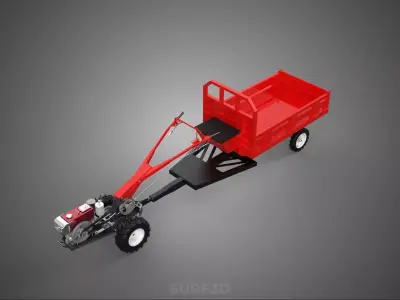
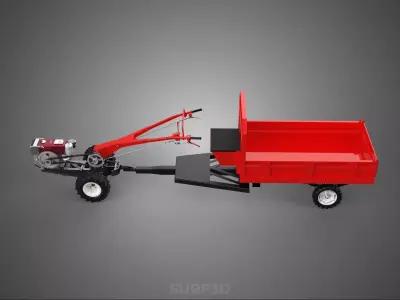
High-quality 3D assets at affordable prices — trusted by designers, engineers, and creators worldwide. Made with care to be versatile, accessible, and ready for your pipeline.
Included File Formats
This model is provided in 14 widely supported formats, ensuring maximum compatibility:
• - FBX (.fbx) – Standard format for most 3D software and pipelines
• - OBJ + MTL (.obj, .mtl) – Wavefront format, widely used and compatible
• - STL (.stl) – Exported mesh geometry; may be suitable for 3D printing with adjustments
• - STEP (.step, .stp) – CAD format using NURBS surfaces
• - IGES (.iges, .igs) – Common format for CAD/CAM and engineering workflows (NURBS)
• - SAT (.sat) – ACIS solid model format (NURBS)
• - DAE (.dae) – Collada format for 3D applications and animations
• - glTF (.glb) – Modern, lightweight format for web, AR, and real-time engines
• - 3DS (.3ds) – Legacy format with broad software support
• - 3ds Max (.max) – Provided for 3ds Max users
• - Blender (.blend) – Provided for Blender users
• - SketchUp (.skp) – Compatible with all SketchUp versions
• - AutoCAD (.dwg) – Suitable for technical and architectural workflows
• - Rhino (.3dm) – Provided for Rhino users
Model Info
• - All files are checked and tested for integrity and correct content
• - Geometry uses real-world scale; model resolution varies depending on the product (high or low poly)
• • - Scene setup and mesh structure may vary depending on model complexity
• - Rendered using Luxion KeyShot
• - Affordable price with professional detailing
Buy with confidence. Quality and compatibility guaranteed.
If you have any questions about the file formats, feel free to send us a message — we're happy to assist you!
Sincerely,
SURF3D
Trusted source for professional and affordable 3D models.
More Information About 3D Model :
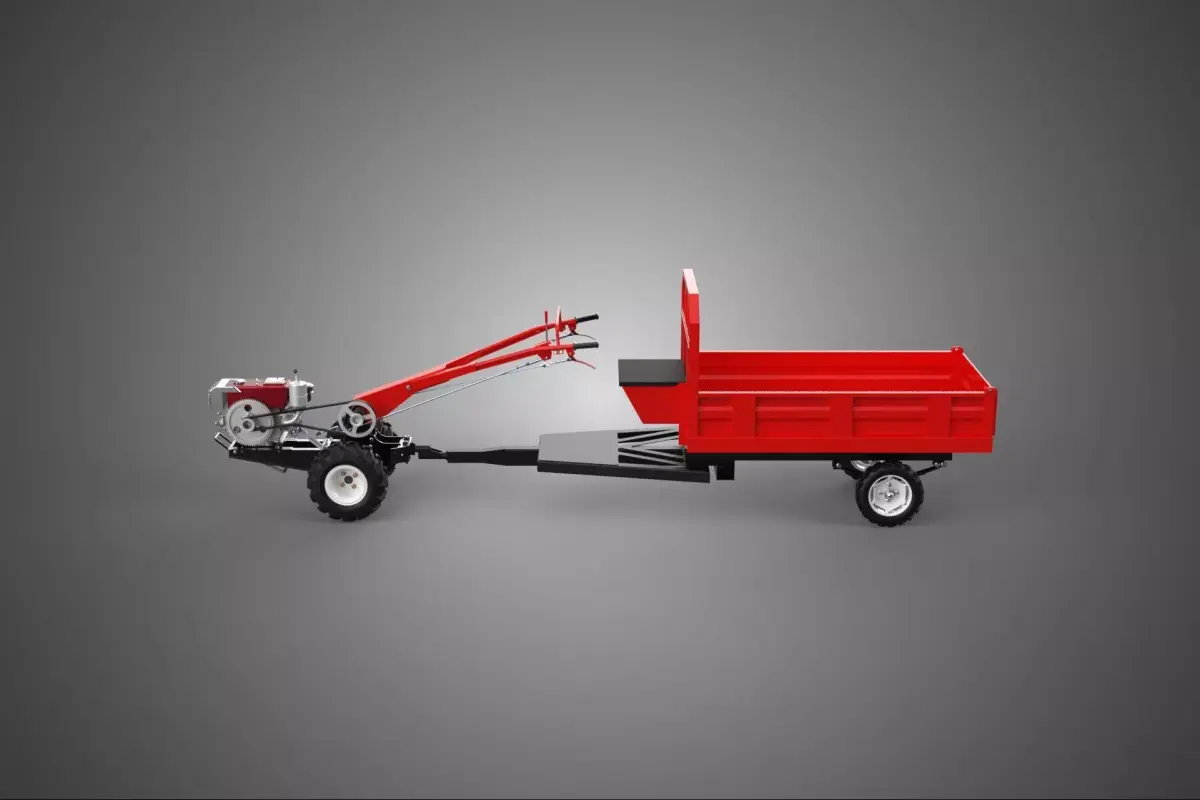
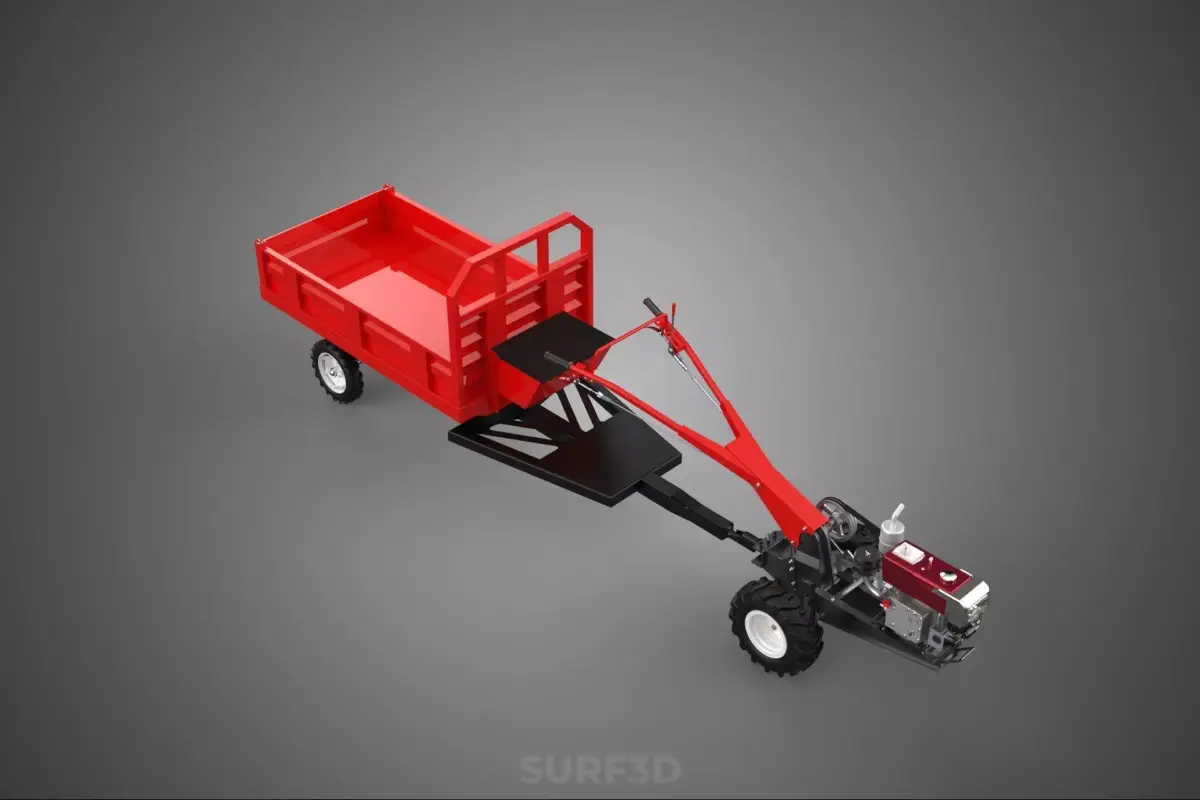
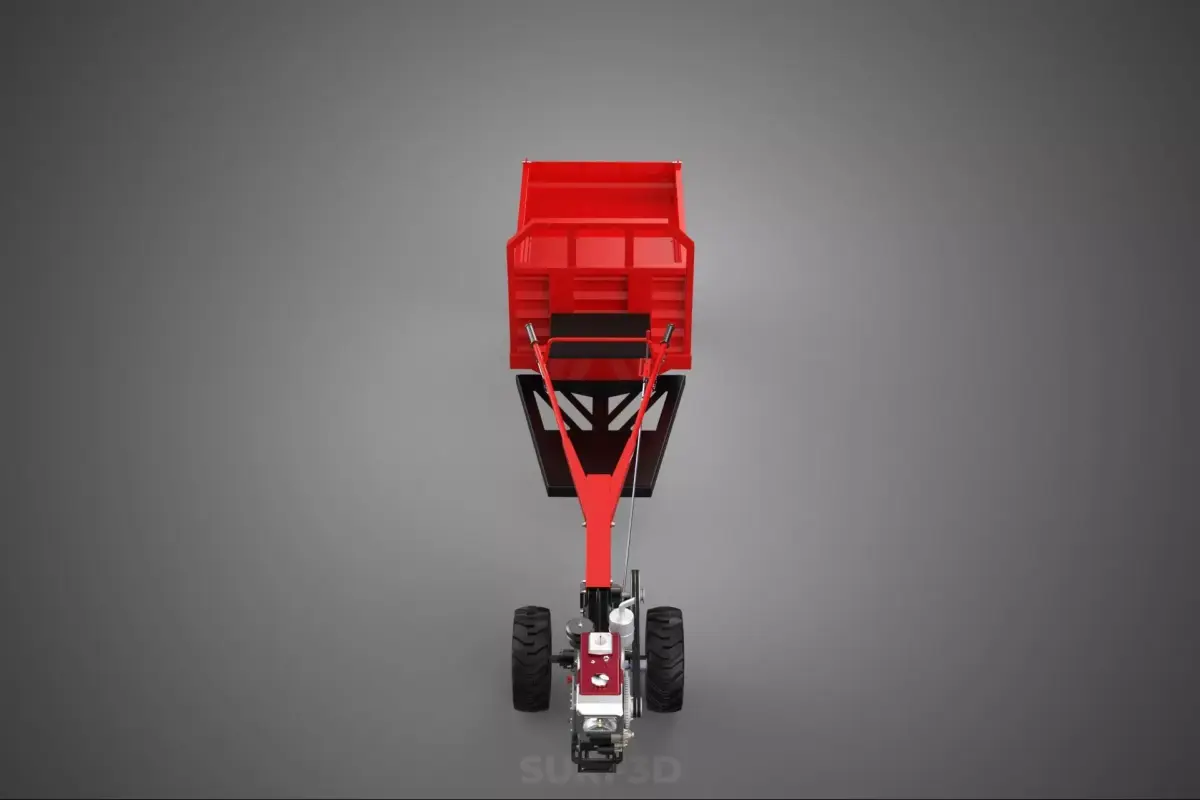
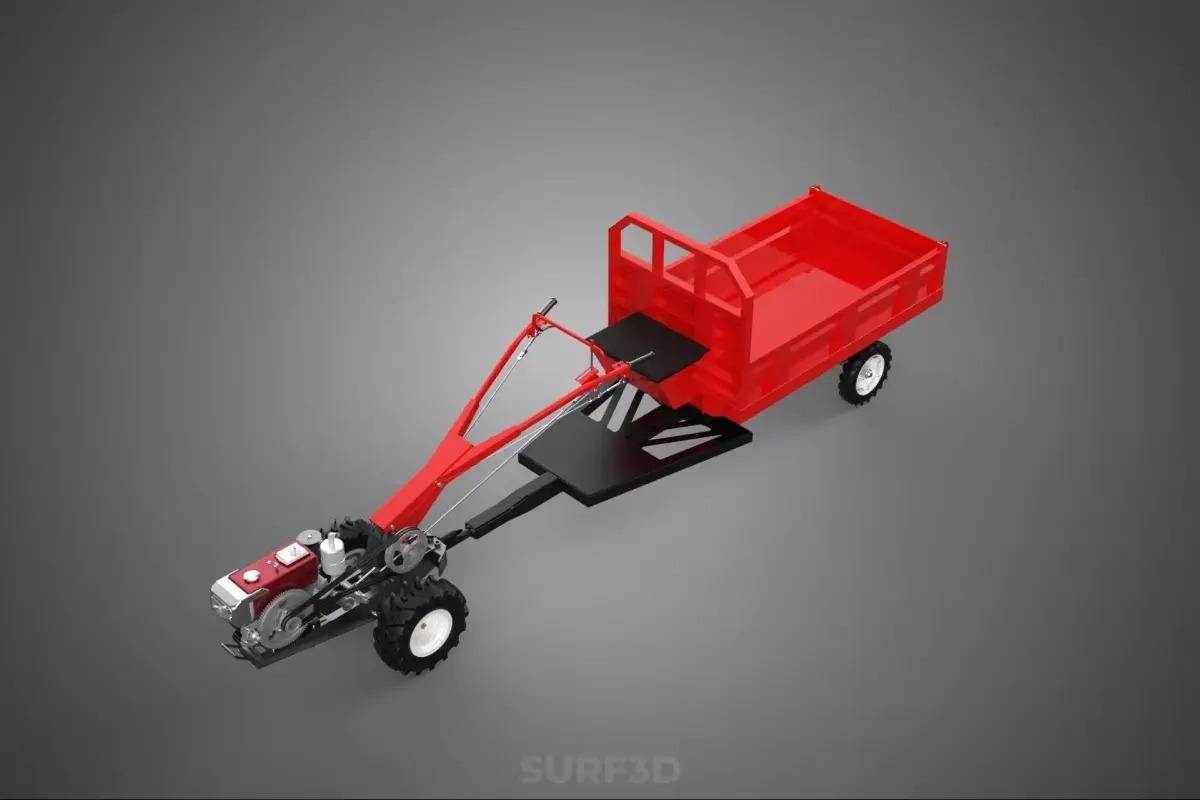
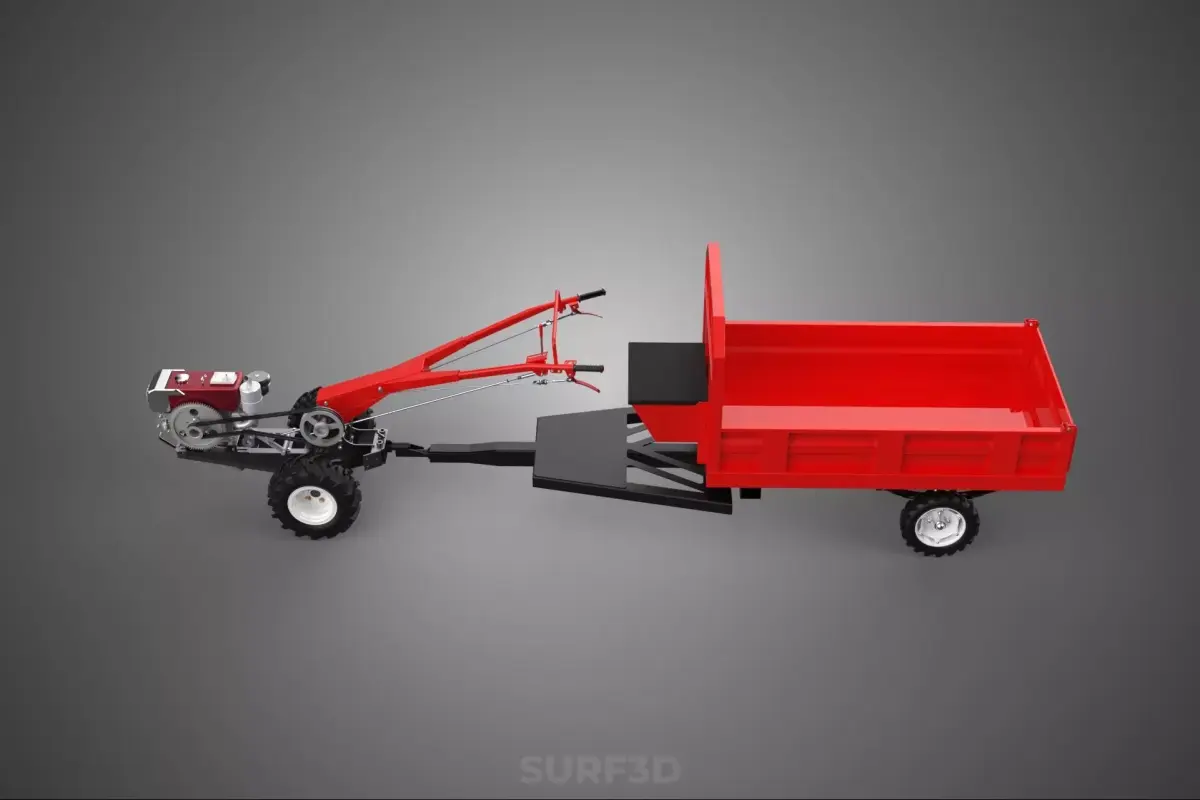
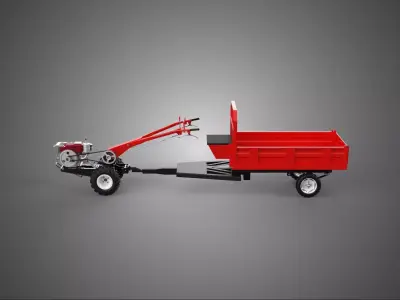
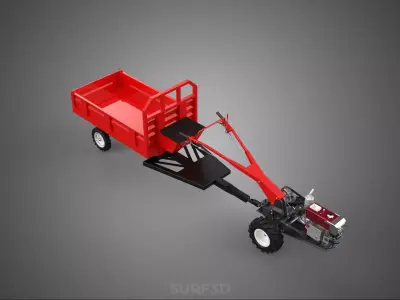
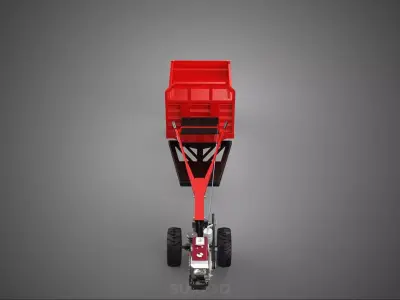
The complex entitled TRACTOR TRAILER CAR RURAL VEHICLE FARMER CARAVAN DRAY HAULING encompasses the integrated logistical spectrum required for modern agricultural production and commodity distribution, ranging from localized field operations to inter-regional commercial freight transport. This composite system necessitates the strategic deployment of disparate vehicle classes, specialized implements, and structured conveyance methods to ensure the movement of inputs, equipment, and outputs across rural landscapes.
I. Foundational Systems of Rural Haulage
The bedrock of rural transport is the specialized equipment designed for low-speed, high-torque operations, typically managed directly by the farmer.
A. Agricultural Implements and the Rural Vehicle
The Rural Vehicle designation primarily refers to the agricultural tractor and its attached implements. Unlike standard road vehicles, these machines are engineered for mobility on soft ground and unpaved surfaces, prioritizing traction and drawbar pull over speed. Hauling within the farm boundary involves several specific implements:
- Wagons and Trailers: Standard farm trailers are non-articulated units designed to carry bulk items (e.g., grain, feed, silage) or specialized attachments (e.g., gravity wagons, liquid tenders).
- Dray: Historically, a Dray was a heavy, low-sided cart, often horsedrawn, used for localized, robust Hauling of loads such as barrels or stone. The term is now often applied to modern, low-profile utility trailers adapted for transport tasks requiring high stability or capacity for unusual dimensions within farmyards or short distances.
#### B. The Role of the Farmer
The Farmer is the central logistical manager, responsible for coordinating the use of these vehicles, ensuring the proper conveyance of inputs (fertilizer, seed) and the timely extraction of commodities during harvest. This requires managing speed disparities and load limitations unique to secondary and tertiary road systems.
### II. Commercial and Inter-Regional Logistics
The scale of modern agriculture demands the efficient transfer of bulk goods from the rural point of origin to processing centers, distribution hubs, or ports. This function is predominantly executed by large commercial vehicles.
#### A. The Tractor Trailer (Articulated Lorry)
The Tractor Trailer (or semi-trailer unit) is the primary engine of high-capacity logistics. It consists of a tractor unit (the prime mover) and one or more interchangeable trailers (e.g., bulk commodity hoppers, flatbeds, refrigerated vans).
This vehicle type facilitates the necessary rapid transition of bulk agricultural products (e.g., grain, soybeans, livestock) from localized farm storage to the national or international supply chain. The Hauling capabilities of these units are subject to stringent regulatory compliance regarding weight limits, dimensions, and operational hours, contrasting sharply with the less regulated internal farm transport.
### III. Structured Movement and Convoys
The movement of multiple vehicles, especially during planting and harvesting seasons, necessitates coordinated movement, often referred to as a Caravan or convoy.
#### A. Caravan Logistics
The term Caravan refers to a group of vehicles traveling sequentially, necessitated by the need to move harvesting fleets (combines, grain trucks, support vehicles) between fields or to transfer oversized agricultural equipment across public roads. This operational modality requires specific safety protocols, specialized signage (e.g., Slow Moving Vehicle—SMV signs), and, frequently, police escorts due to the inherent width and speed differential between farm machinery and standard road traffic.
#### B. Support Vehicles (The Car)
While heavy haulage is handled by tractors and articulated trucks, the inclusion of the Car—or more commonly, a light utility vehicle or pickup truck—denotes the indispensable role of personal and managerial transport. These vehicles are used by the farmer for supervision, scouting fields, transferring small tools and parts, and ensuring communication across the logistical network, acting as the critical link between the static farm base and the dynamic field operations.
### IV. Conclusion
The logistical title describes an integrated system where rugged, slow-moving rural vehicles (tractors, drays) perform primary collection, feeding their payloads to high-speed commercial Tractor Trailer units for secondary distribution. The overall efficacy of this system hinges on the operational management by the Farmer and the coordinated movement achieved through the Caravan structure, all operating within the framework of local and commercial Hauling regulations.
KEYWORDS: Agricultural logistics, semi-trailer, articulated truck, rural transport, farm implement, commodity hauling, bulk transport, drayage, wagon, conveyance, farmer operations, convoy movement, heavy machinery, agricultural economics, supply chain, freight transport, secondary roads, farm-to-market, livestock trailer, grain hopper, flatbed trailer, vehicle fleet, payload capacity, rural infrastructure, motorized transport, field operations, harvest logistics, vehicular train, utility vehicle, agricultural engineering.
STL (Stereolithography, filesize: 58.2 MB), OBJ (OBJ, filesize: 119 MB), FBX (Autodesk FBX, filesize: 36.6 MB), 3DM (Rhinoceros 3D, filesize: 221 MB), STP (STEP, filesize: 113 MB), BLEND (Blender, filesize: 107 MB), SAT (3D ACIS, filesize: 129 MB), DWG (AutoCAD, filesize: 45.7 MB), 3DS (3D Studio, filesize: 35.5 MB), MAX (Autodesk 3ds Max, filesize: 252 MB), DAE (Collada, filesize: 198 MB), IGE (IGES, filesize: 179 MB), SKP (Sketchup, filesize: 111 MB), GLTF (glTF, filesize: 37.8 MB)