High-quality 3D assets at affordable prices — trusted by designers, engineers, and creators worldwide. Made with care to be versatile, accessible, and ready for your pipeline.
Included File Formats
This model is provided in 14 widely supported formats, ensuring maximum compatibility:
• - FBX (.fbx) – Standard format for most 3D software and pipelines
• - OBJ + MTL (.obj, .mtl) – Wavefront format, widely used and compatible
• - STL (.stl) – Exported mesh geometry; may be suitable for 3D printing with adjustments
• - STEP (.step, .stp) – CAD format using NURBS surfaces
• - IGES (.iges, .igs) – Common format for CAD/CAM and engineering workflows (NURBS)
• - SAT (.sat) – ACIS solid model format (NURBS)
• - DAE (.dae) – Collada format for 3D applications and animations
• - glTF (.glb) – Modern, lightweight format for web, AR, and real-time engines
• - 3DS (.3ds) – Legacy format with broad software support
• - 3ds Max (.max) – Provided for 3ds Max users
• - Blender (.blend) – Provided for Blender users
• - SketchUp (.skp) – Compatible with all SketchUp versions
• - AutoCAD (.dwg) – Suitable for technical and architectural workflows
• - Rhino (.3dm) – Provided for Rhino users
Model Info
• - All files are checked and tested for integrity and correct content
• - Geometry uses real-world scale; model resolution varies depending on the product (high or low poly)
• • - Scene setup and mesh structure may vary depending on model complexity
• - Rendered using Luxion KeyShot
• - Affordable price with professional detailing
Buy with confidence. Quality and compatibility guaranteed.
If you have any questions about the file formats, feel free to send us a message — we're happy to assist you!
Sincerely,
SURF3D
Trusted source for professional and affordable 3D models.
More Information About 3D Model :
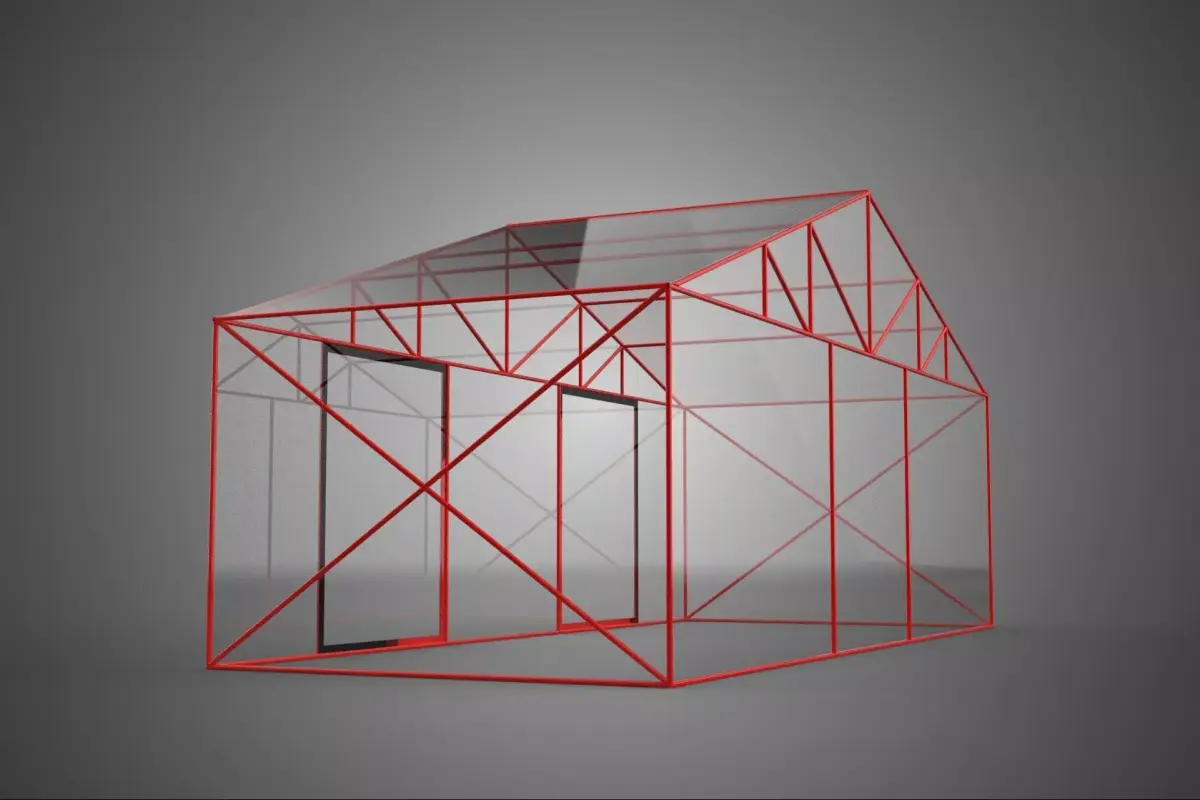
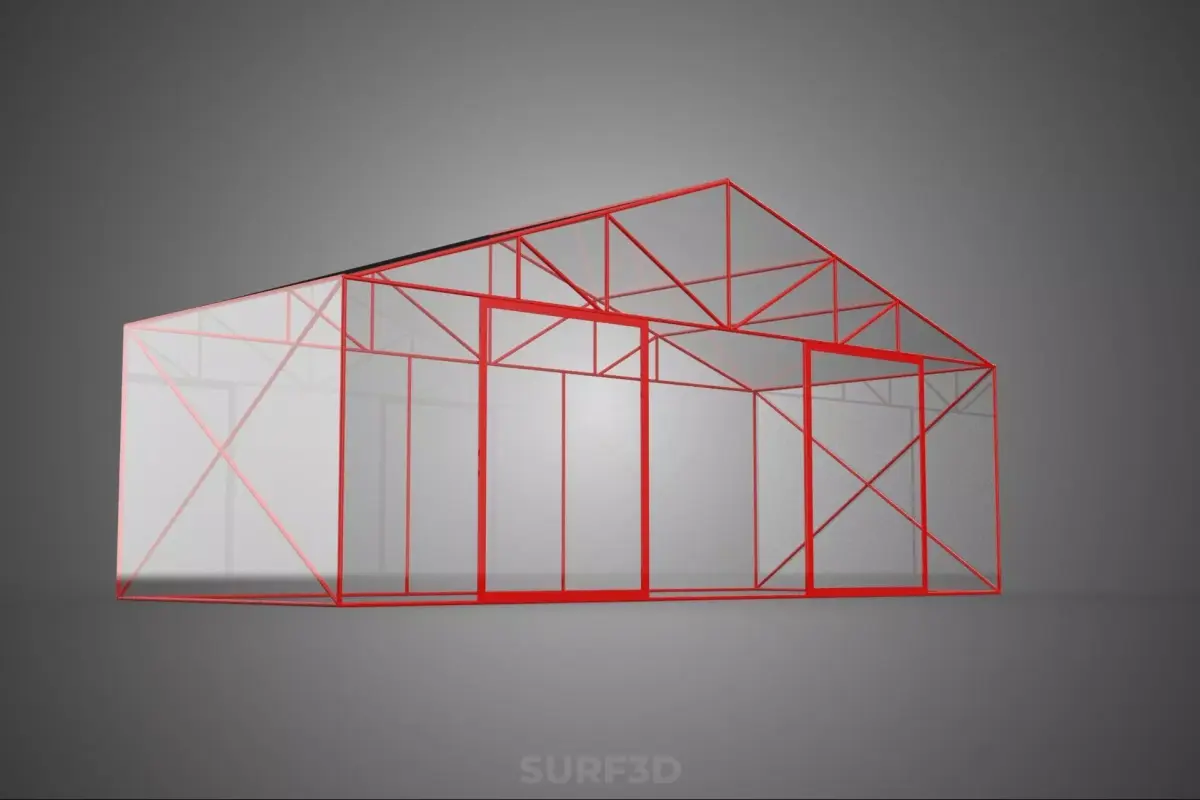
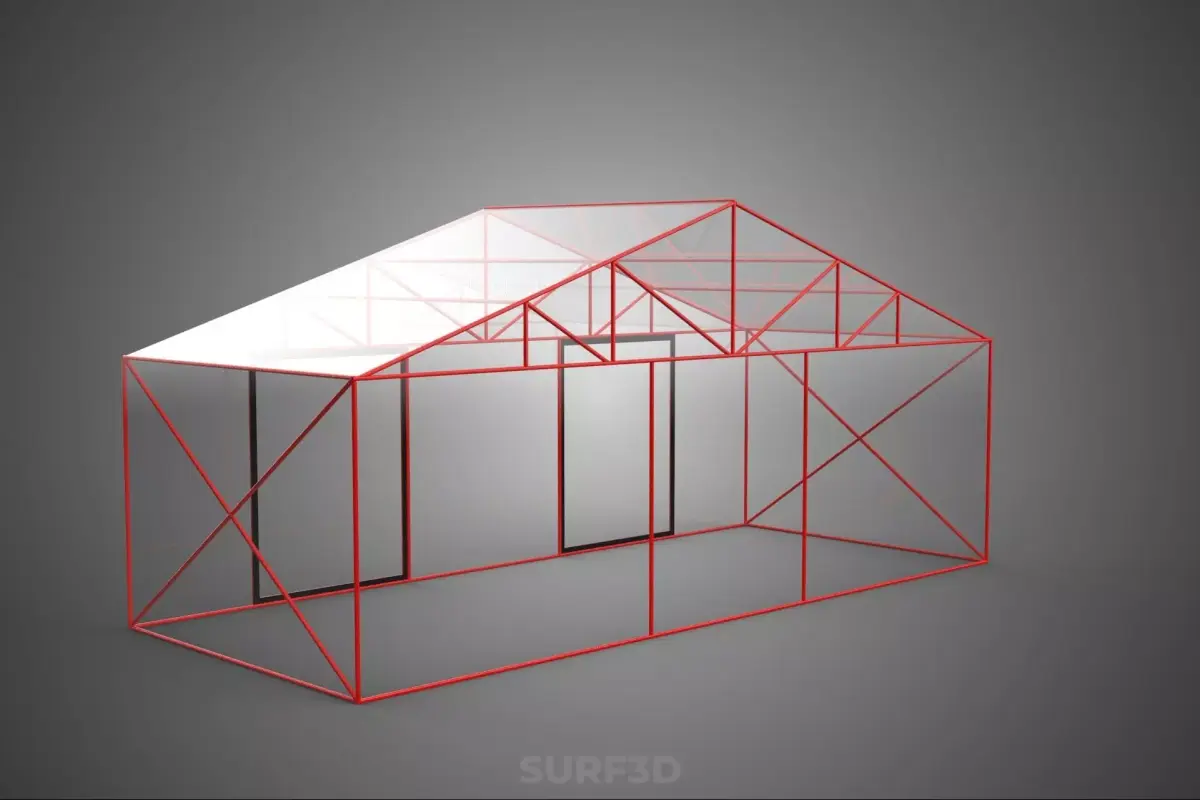
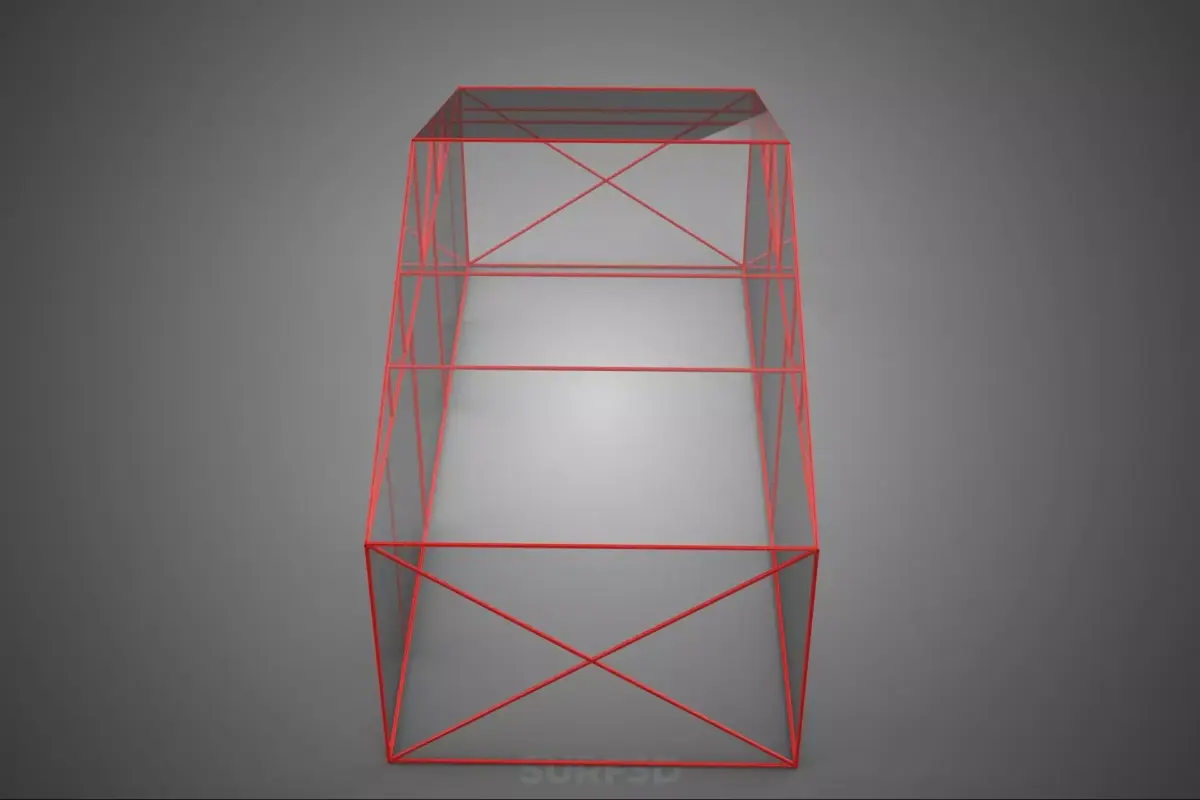
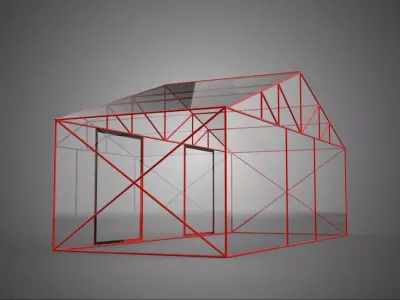
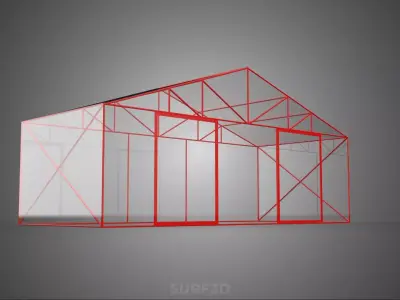
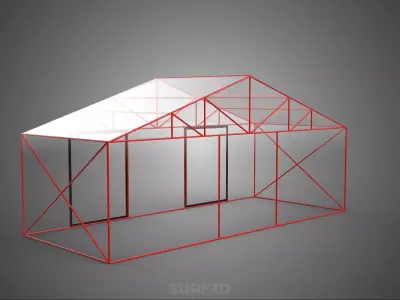
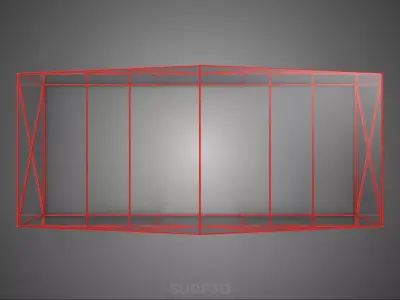
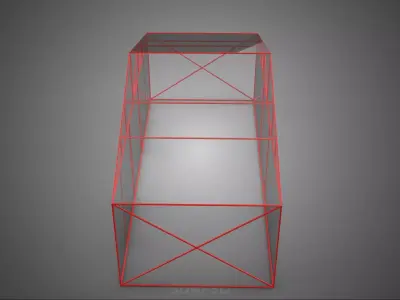
The Translucent Greenhouse Hothouse Glasshouse Garden Framework Farm is a comprehensive, formal designation for controlled-environment agricultural (CEA) structures characterized by specific material properties and functional objectives. This nomenclature emphasizes transparency, thermal regulation, structural integrity, and intensive cultivation practices. It denotes a constructed facility designed to optimize photosynthetic efficiency and environmental management for crop production, irrespective of external climatic conditions.
Architectural and Material Specifications
The core architectural feature is the translucent envelope, which ensures maximum transmission of photosynthetically active radiation (PAR), typically ranging from 400 to 700 nanometers. Materials commonly employed for this purpose include:
- Glass (Glasshouse): Historically preferred for its high light transmission (up to 90%), durability, and structural rigidity. Modern glasshouses often utilize tempered or low-iron glass for enhanced clarity and safety.
- Polycarbonate: Used widely for its impact resistance, superior thermal insulation (often multi-wall sheets), and lighter weight compared to glass.
- Polyethylene Film: Economical and flexible, typically employed in large-span, gutter-connected structures. It often incorporates UV stabilizers and anti-drip agents.
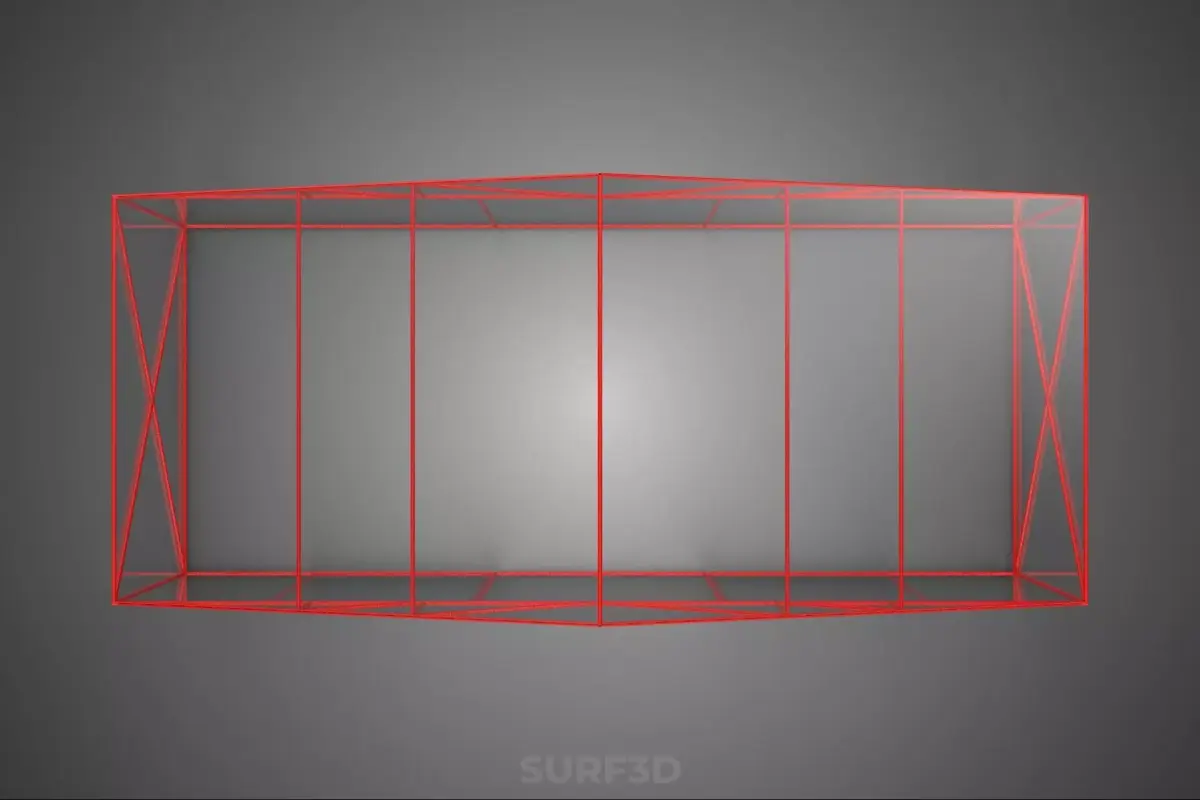
The framework constitutes the load-bearing skeleton, generally constructed from galvanized steel, aluminum alloys, or treated timber (less common in commercial scales). The design must withstand local environmental loads, including wind shear, snow load, and the weight of internal systems (e.g., irrigation lines, hanging baskets). Structural types range from gutter-connected peaked roofs (Venlo style being prominent) to arch-span tunnel structures.
### Functional Classifications: Greenhouse vs. Hothouse
The designation differentiates between general climate control and specialized thermal regulation:
- Greenhouse (Garden Framework): Focuses primarily on extending the growing season and providing basic protection from adverse weather. While maintaining warmer temperatures than the exterior, heating is typically supplemental, focused on preventing frost or meeting minimum growing temperatures for temperate crops.
- Hothouse (Horticultural Intensive Structure): Represents a higher level of environmental control. A hothouse is specifically engineered for maintaining significantly elevated temperatures and humidity levels necessary for tropical, subtropical, or high-value specialty crops (e.g., orchids, vine crops). This requires robust heating systems (e.g., hot water boilers, unit heaters) and often advanced cooling/ventilation infrastructure (e.g., fogging systems, pad-and-fan evaporative cooling).
### Controlled Environment Agriculture (CEA) and Farm Integration
The inclusion of Farm signifies that the structure is utilized for commercial, systematic agricultural production rather than purely research or hobbyist horticulture. The facility operates as a sophisticated bio-production unit incorporating advanced technologies:
- Climate Control Systems: Integrated sensors monitor temperature, relative humidity, carbon dioxide concentration ($CO_2$ injection), and light levels. These parameters are managed via computerized environmental controllers to maintain optimal vapor pressure deficit (VPD) for maximum transpiration and nutrient uptake.
- Irrigation and Nutrient Delivery: Typically utilizes closed-loop hydroponic systems (e.g., Nutrient Film Technique (NFT), Deep Water Culture (DWC), Drip Irrigation for substrate culture) to conserve water and precisely deliver macro- and micronutrients.
- Supplemental Lighting: High-pressure sodium (HPS) lamps or light-emitting diode (LED) fixtures are often deployed to ensure consistent daily light integral (DLI), crucial in regions with low natural light or for high-density vertical farming integrated within the glasshouse structure.
The overall goal of the Translucent Greenhouse Hothouse Garden Framework Farm is to maximize yield per unit area, improve crop quality, ensure year-round production capability, and minimize external biological and climatic risks.
KEYWORDS: Controlled Environment Agriculture, CEA, Glasshouse, Greenhouse, Hothouse, Translucent Materials, Photosynthetically Active Radiation, PAR, Environmental Control, Hydroponics, Glass, Polycarbonate, Galvanized Steel, Thermal Regulation, Climate Management, Supplemental Lighting, DLI, Venlo Structure, Substrate Culture, Commercial Farming, Horticulture, Crop Production, VPD, Nutrient Film Technique, DWC, Irrigation, Structural Framework, Bio-Production Unit, Year-Round Cultivation, Intensive Agriculture.
STL (Stereolithography, filesize: 655 KB), OBJ (OBJ, filesize: 1.25 MB), 3DM (Rhinoceros 3D, filesize: 6.98 MB), IGE (IGES, filesize: 5.59 MB), SAT (3D ACIS, filesize: 1.54 MB), MAX (Autodesk 3ds Max, filesize: 4.9 MB), SKP (Sketchup, filesize: 915 KB), DWG (AutoCAD, filesize: 706 KB), FBX (Autodesk FBX, filesize: 585 KB), STP (STEP, filesize: 2.08 MB), DAE (Collada, filesize: 2.4 MB), 3DS (3D Studio, filesize: 491 KB), GLTF (glTF, filesize: 594 KB), BLEND (Blender, filesize: 1.84 MB)