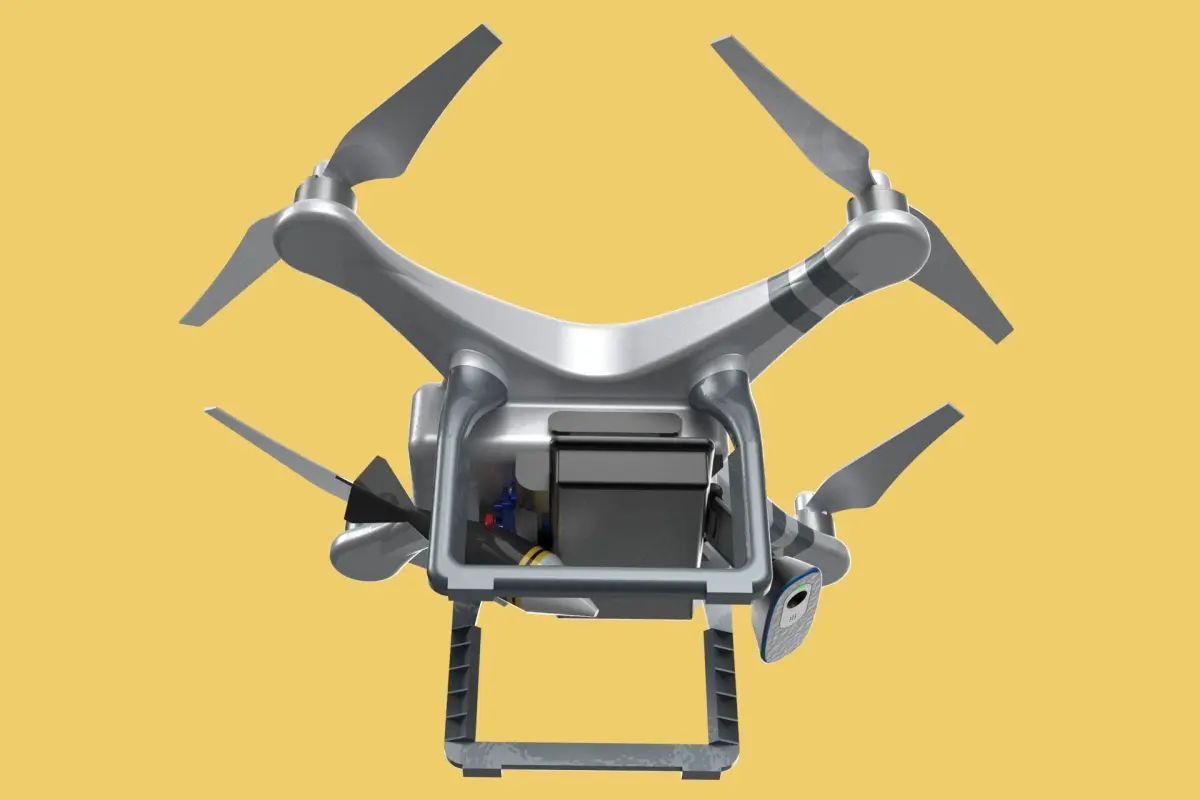
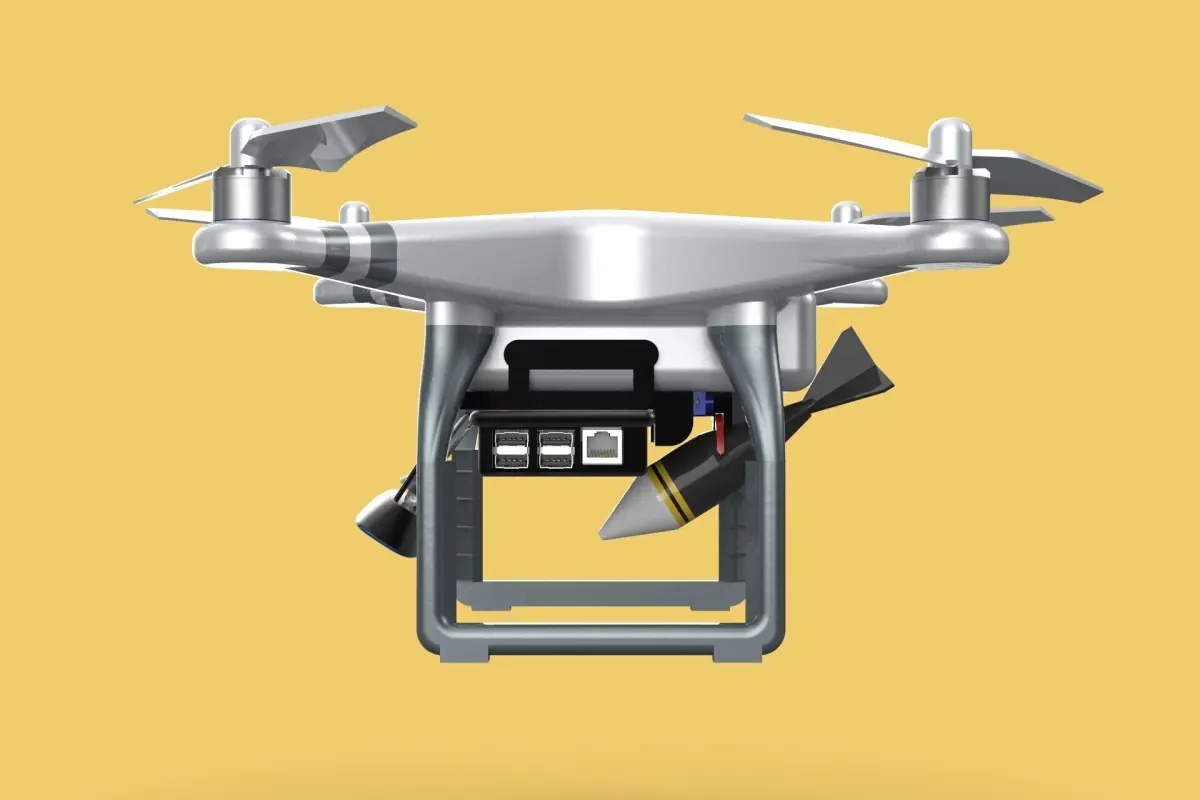
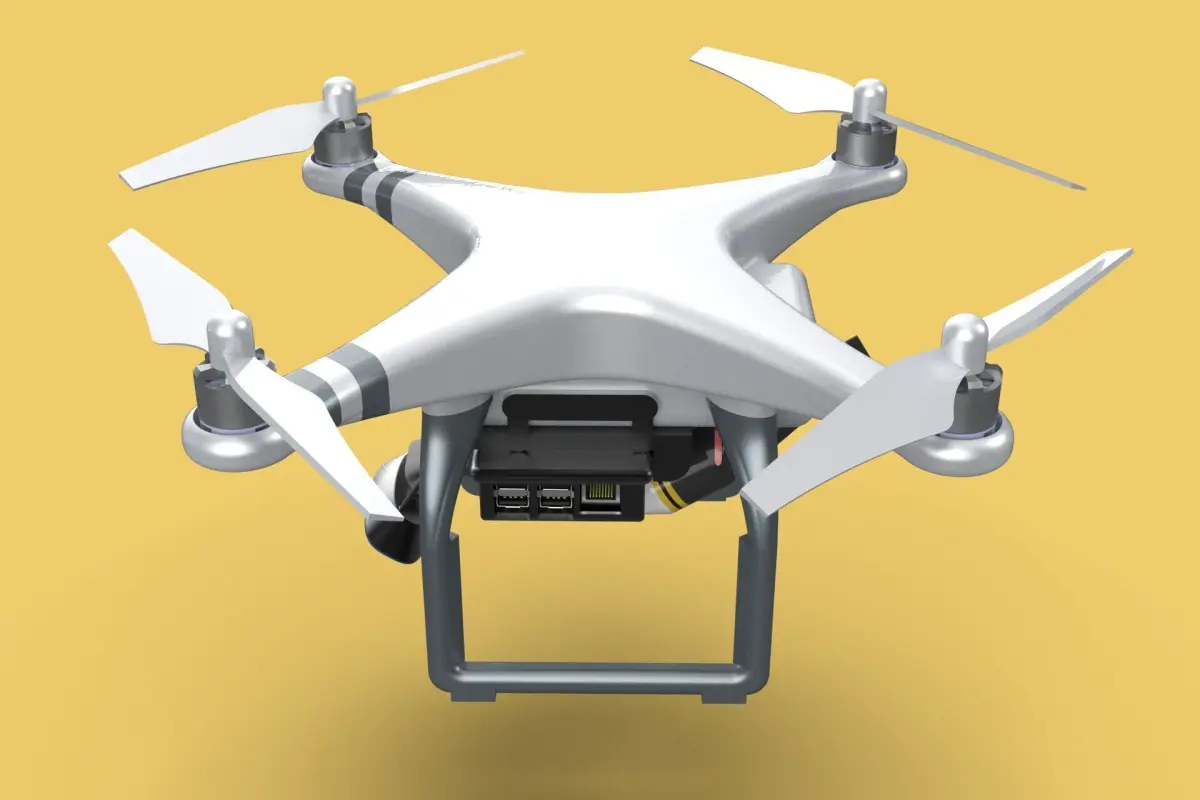
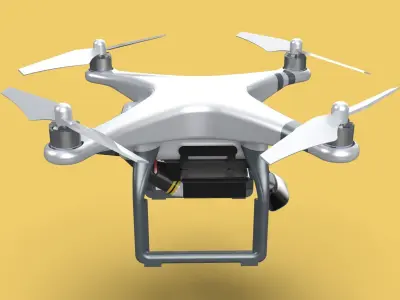
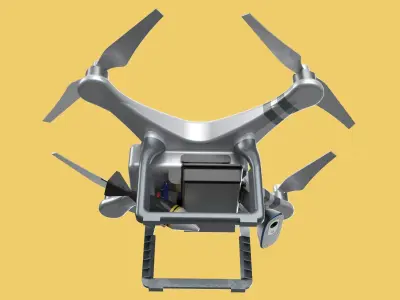
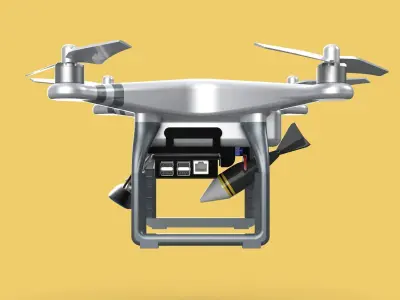
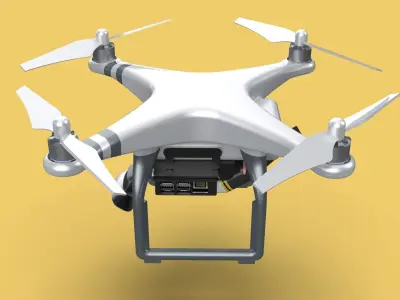
The model contains the most popular formats:
- 3DS MAX: *.max
- Blender: *.blend
- Rhinoceros: *.3dm
- SketchUp: *.skp
- Wavefront OBJ: *.obj *.mtl (Multi Format)
- FBX: *.fbx (Multi Format)
- STEP: *.step *.stp (NURBS)
- IGES: *.iges *.igs (NURBS)
- ACIS: *.sat (NURBS)
- 3DS MAX all ver.: *.3ds (Multi Format)
- Stereolithography: *.stl
- AutoCAD: *.dwg
- Each file was checked for opening and full content by the model.
- The 3D model was created on real base. It’s created accurately, in real units of measurement, qualitatively and maximally close to the original.
- Renders Are made in Luxion Keyshot
- “WE PROVIDE 3D MODEL CHEAP PRICE BUT WITH GOOD QUALITY”
- If you need any other formats we are more than happy to make them for you. Contact me for any question :)
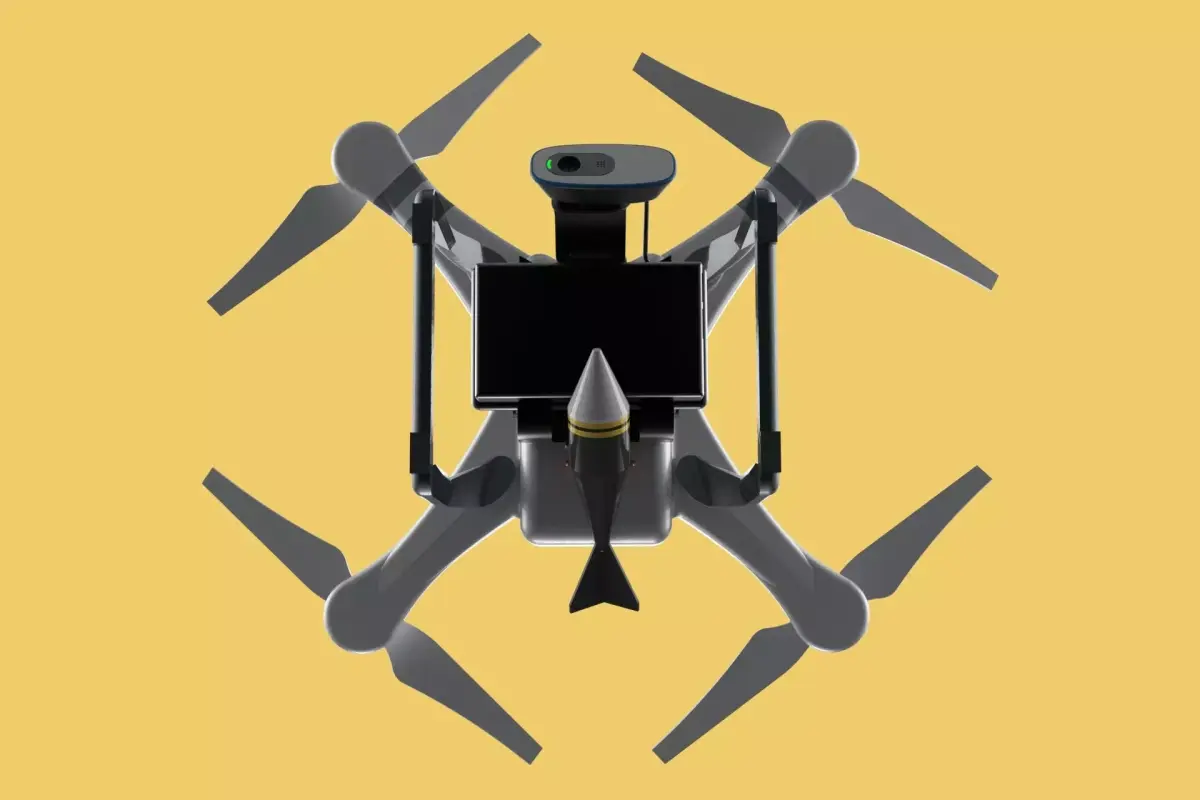
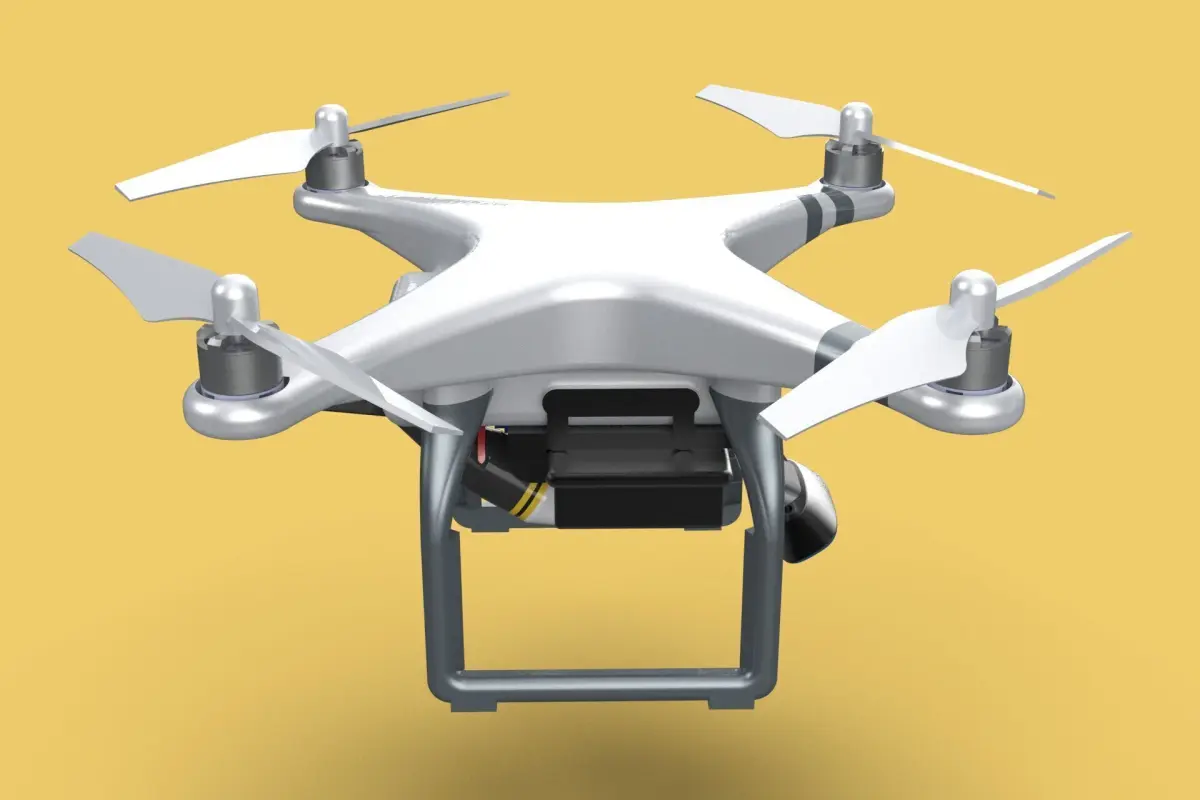
Sincerely Your, SURF3DMORE INFORMATION ABOUT 3D MODELS :UCAV Military Drone Quadcopter Missile Torpedo Anti-Tank Bomber
This describes a highly specialized and advanced type of military drone with a wide range of combat capabilities. Let's break it down:
UCAV (Unmanned Combat Aerial Vehicle): This emphasizes the drone's primary function as a combat platform, designed to engage and neutralize enemy targets.Military Drone Quadcopter: This indicates a military-grade drone with four rotors for stability and maneuverability, providing agility and precision in flight.
Missile: The drone can carry and launch missiles, which are guided projectiles designed to strike ground targets, enemy vehicles, or even other aircraft.Torpedo: The drone may be capable of deploying torpedoes into water to attack underwater targets like submarines and ships.Anti-Tank: This highlights the drone's ability to effectively engage and destroy armored vehicles such as tanks and other heavily protected targets.Bomber: The drone can carry and drop bombs on ground targets, enemy positions, or infrastructure.Key Characteristics:
High Lethality: Equipped with a diverse array of weapons, including missiles, torpedoes, and bombs, enabling it to engage a wide range of targets.Long-Range Strike Capability: Capable of carrying out attacks over significant distances, allowing for long-range engagements and reducing the risk to ground forces.Precision Targeting: Advanced targeting systems and sensors enable precise strikes on enemy targets, minimizing collateral damage.Stealth Capabilities: Some UCAVs may incorporate stealth technologies to reduce their radar signature, making them harder to detect and intercept.
Autonomous Operation: Capable of operating autonomously or with minimal human intervention, allowing for continuous operations and reducing the risk to human pilots.
Applications:
Anti-Tank Warfare: Engaging and destroying enemy tanks and armored vehicles.Naval Warfare: Attacking enemy ships and submarines with torpedoes.Ground Attack: Striking ground targets, including enemy positions, infrastructure, and supply lines.
Intelligence, Surveillance, and Reconnaissance (ISR): Gathering intelligence and conducting reconnaissance missions.Note: The development and deployment of such advanced UCAVs raise significant ethical and legal concerns, including the potential for autonomous weapons systems and the implications for international law.
This description provides a comprehensive overview of this sophisticated and potentially disruptive military technology