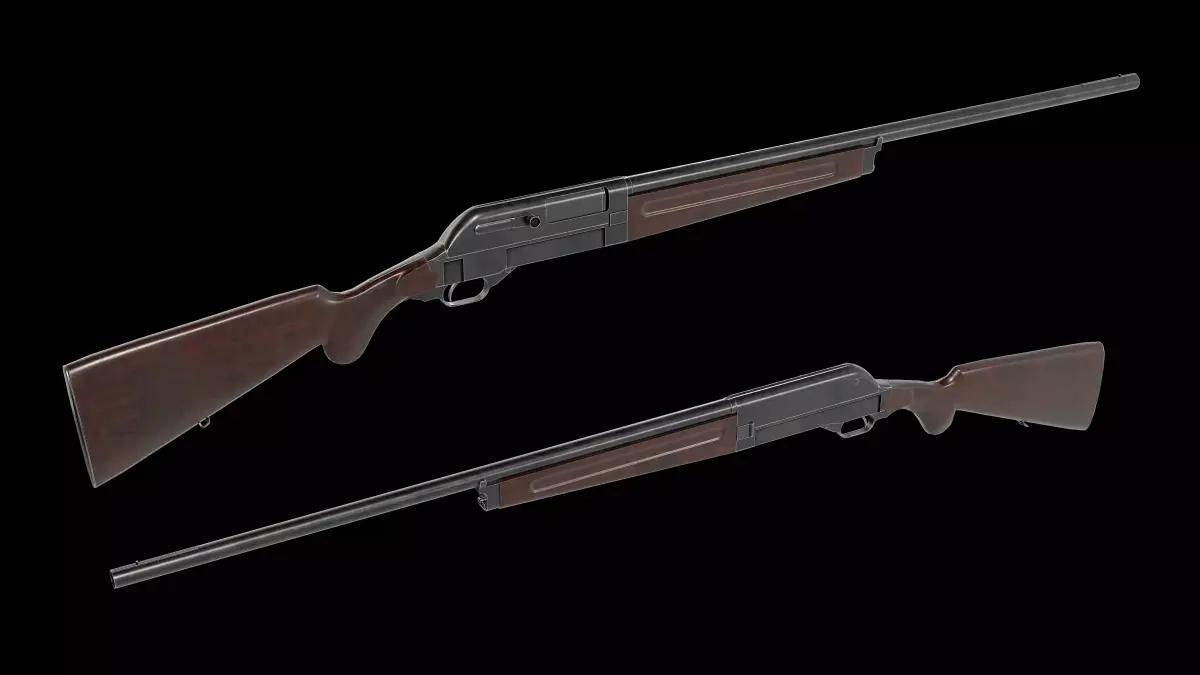
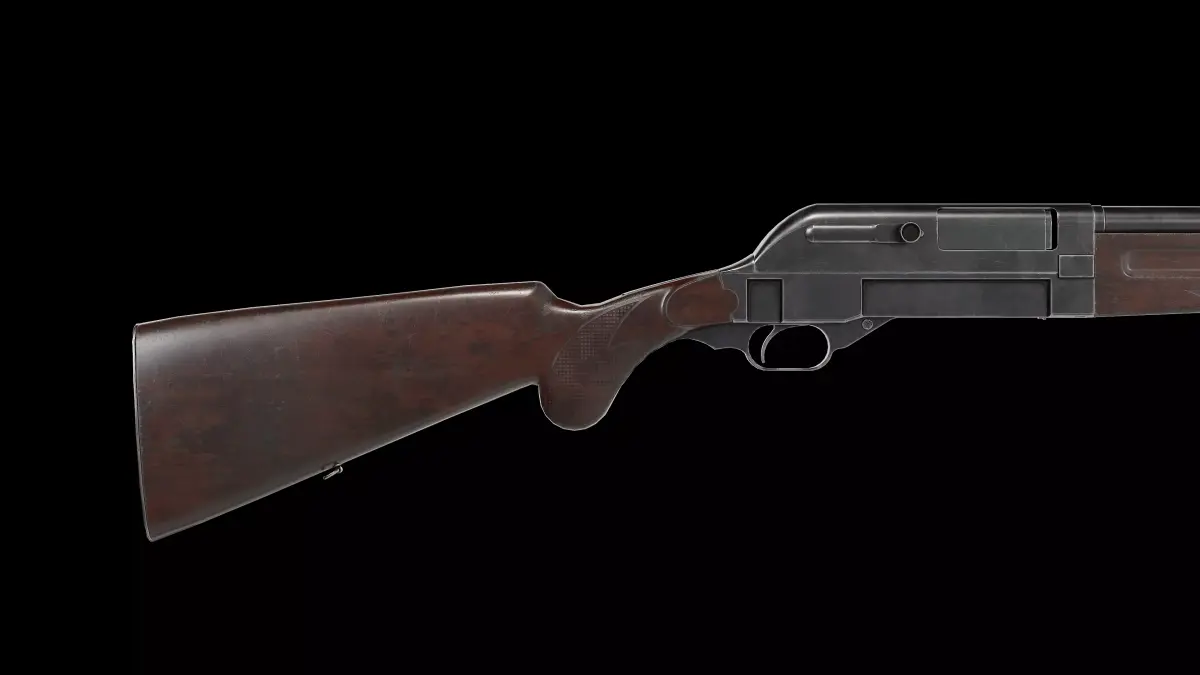
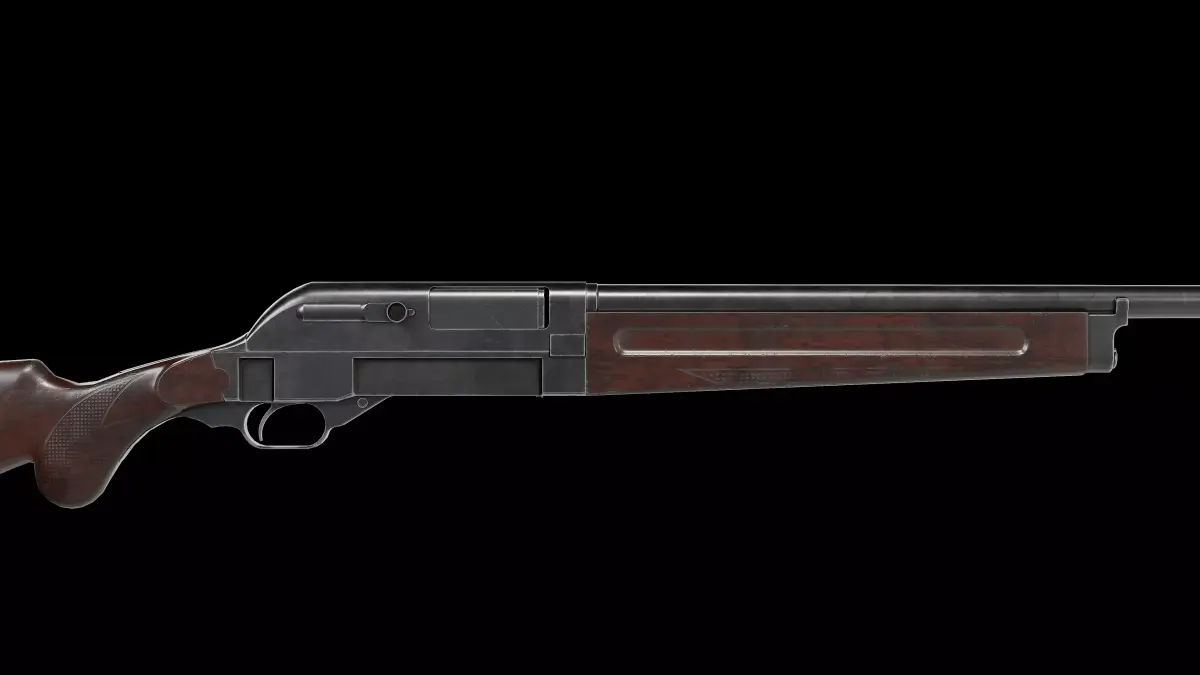
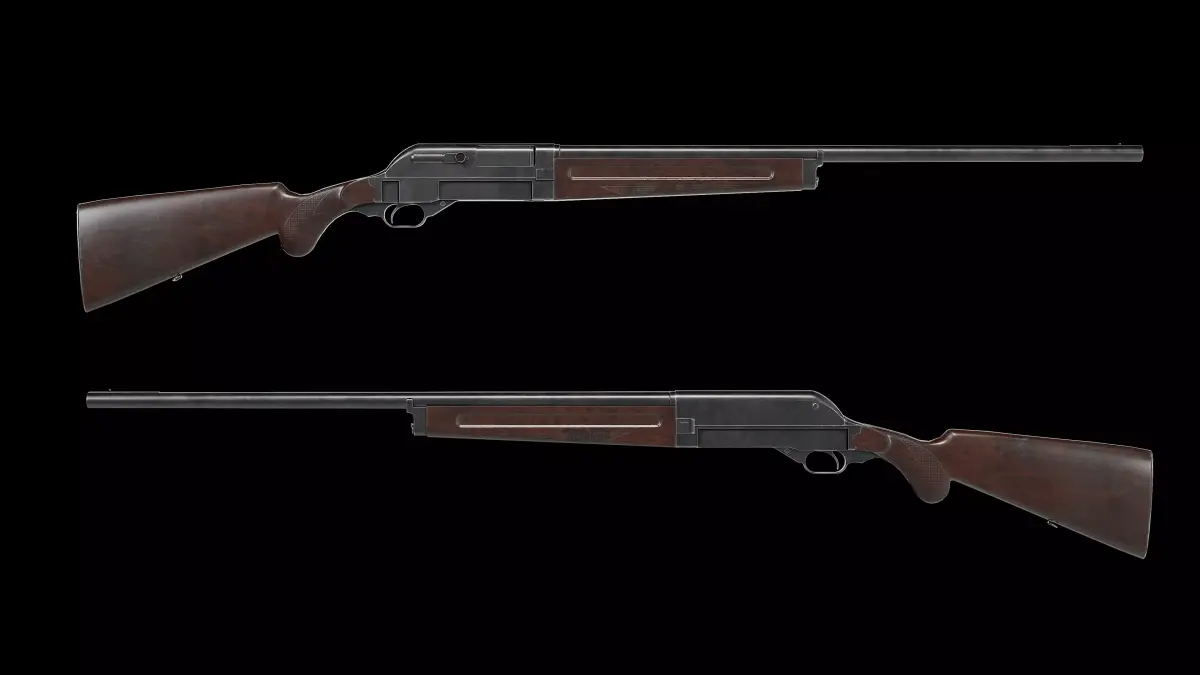
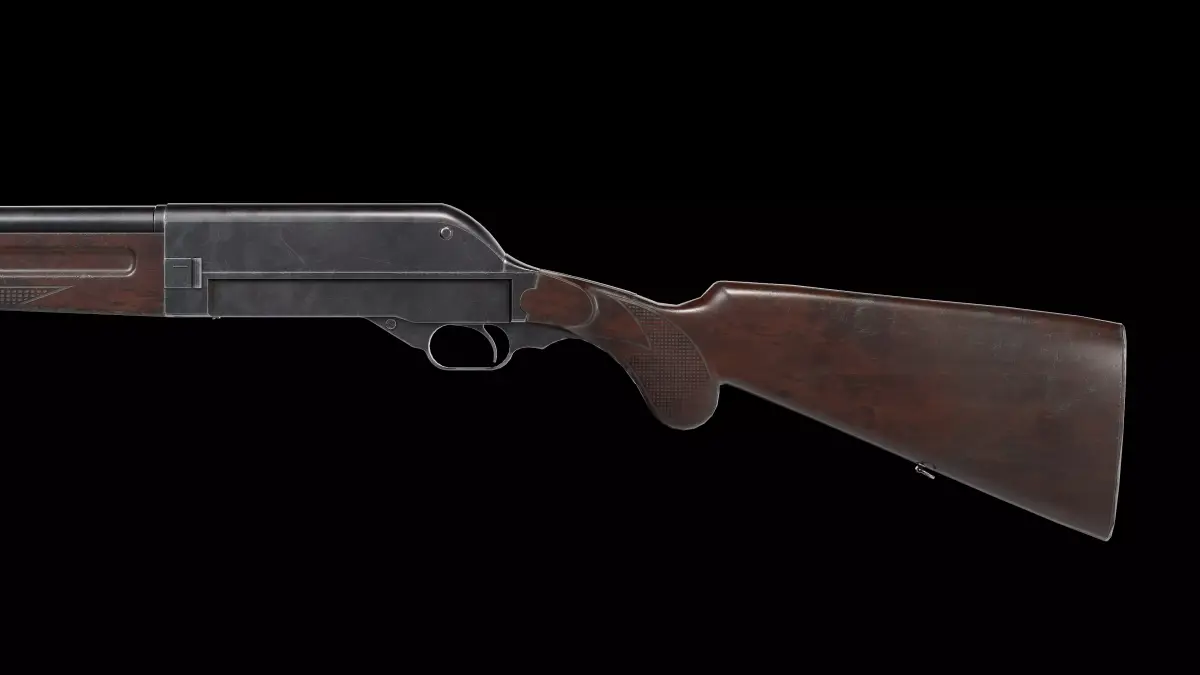
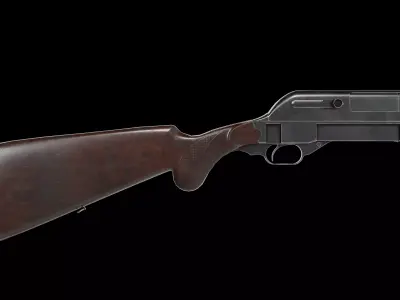
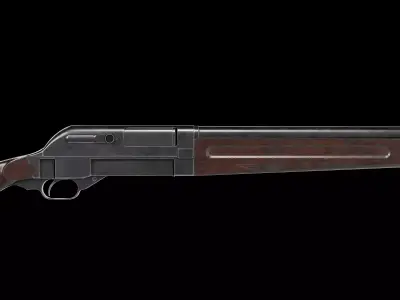
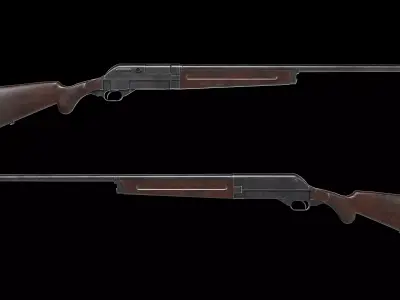
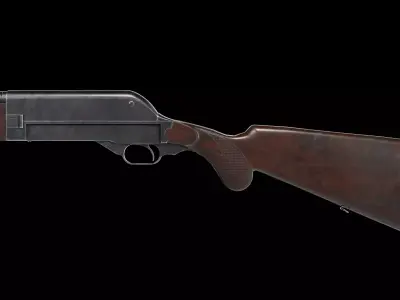
The Walther toggle-locked semi-automatic shotgun was a 12-gauge sporting firearm developed during the interwar period by the Walther brothers at Carl Walther GmbH. Designed in the early 1920s, it used a distinctive short-recoil, toggle-locking mechanism similar in concept to the jointed action found in the Luger P08 pistol. Although patented by Walther, the shotgun was actually manufactured by Deutsche-Werke AG, a German industrial consortium created after World War I to provide employment and generate foreign currency through arms exports. When fired, recoil caused the toggle joint to hinge upward, unlocking the bolt so it could move rearward, eject the spent shell, and chamber a new round from the magazine. Despite its innovative design, the shotgun was not particularly successful; only about 5,700 were produced over roughly a decade in the 1920s. The design reportedly generated noticeably heavy recoil compared with other semi-automatic shotguns of the era, which likely discouraged buyers who could instead choose more comfortable and proven designs such as the Browning Auto-5.
OBJ (OBJ, filesize: 593 KB), PNG (PNG, filesize: 34 MB), FBX (Autodesk FBX, filesize: 282 KB), GLTF (glTF, filesize: 39 MB), BLEND (Blender, filesize: 92.6 MB)