High-quality 3D assets at affordable prices — trusted by designers, engineers, and creators worldwide. Made with care to be versatile, accessible, and ready for your pipeline.
Included File Formats
This model is provided in 14 widely supported formats, ensuring maximum compatibility:
• - FBX (.fbx) – Standard format for most 3D software and pipelines
• - OBJ + MTL (.obj, .mtl) – Wavefront format, widely used and compatible
• - STL (.stl) – Exported mesh geometry; may be suitable for 3D printing with adjustments
• - STEP (.step, .stp) – CAD format using NURBS surfaces
• - IGES (.iges, .igs) – Common format for CAD/CAM and engineering workflows (NURBS)
• - SAT (.sat) – ACIS solid model format (NURBS)
• - DAE (.dae) – Collada format for 3D applications and animations
• - glTF (.glb) – Modern, lightweight format for web, AR, and real-time engines
• - 3DS (.3ds) – Legacy format with broad software support
• - 3ds Max (.max) – Provided for 3ds Max users
• - Blender (.blend) – Provided for Blender users
• - SketchUp (.skp) – Compatible with all SketchUp versions
• - AutoCAD (.dwg) – Suitable for technical and architectural workflows
• - Rhino (.3dm) – Provided for Rhino users
Model Info
• - All files are checked and tested for integrity and correct content
• - Geometry uses real-world scale; model resolution varies depending on the product (high or low poly)
• • - Scene setup and mesh structure may vary depending on model complexity
• - Rendered using Luxion KeyShot
• - Affordable price with professional detailing
Buy with confidence. Quality and compatibility guaranteed.
If you have any questions about the file formats, feel free to send us a message — we're happy to assist you!
Sincerely,
SURF3D
Trusted source for professional and affordable 3D models.
More Information About 3D Model :
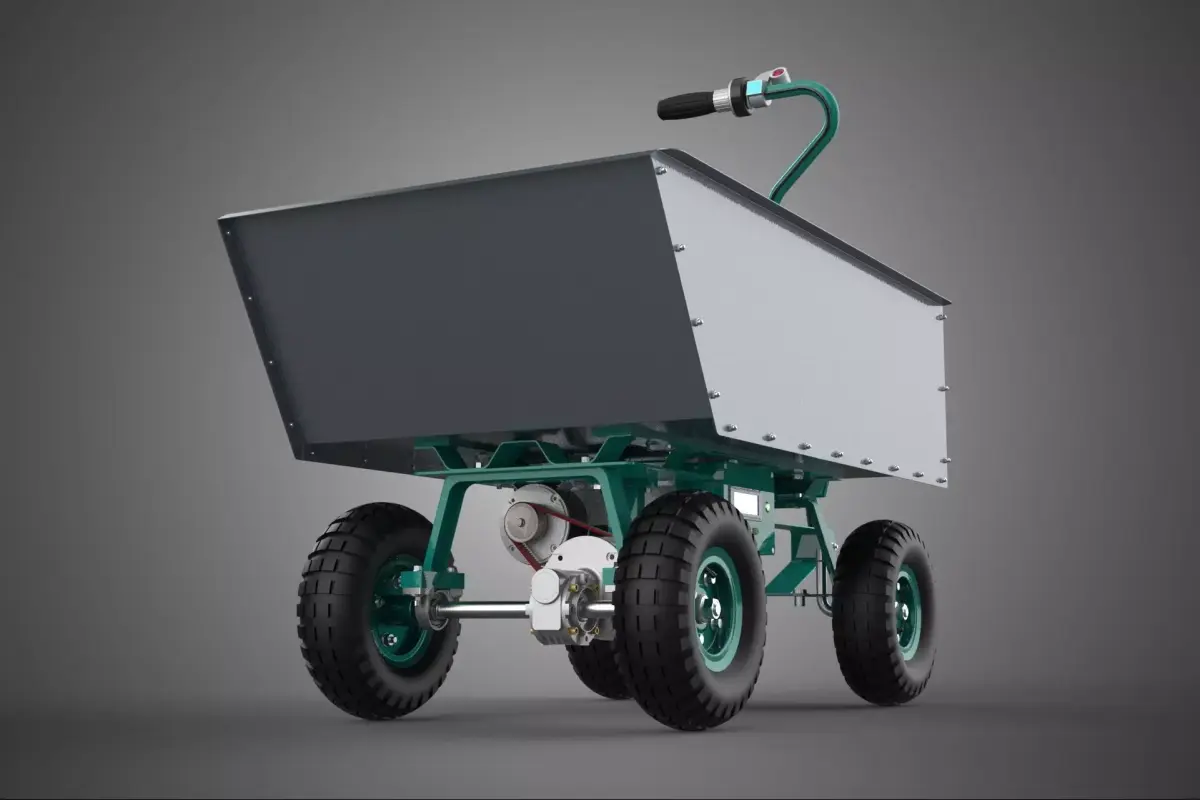
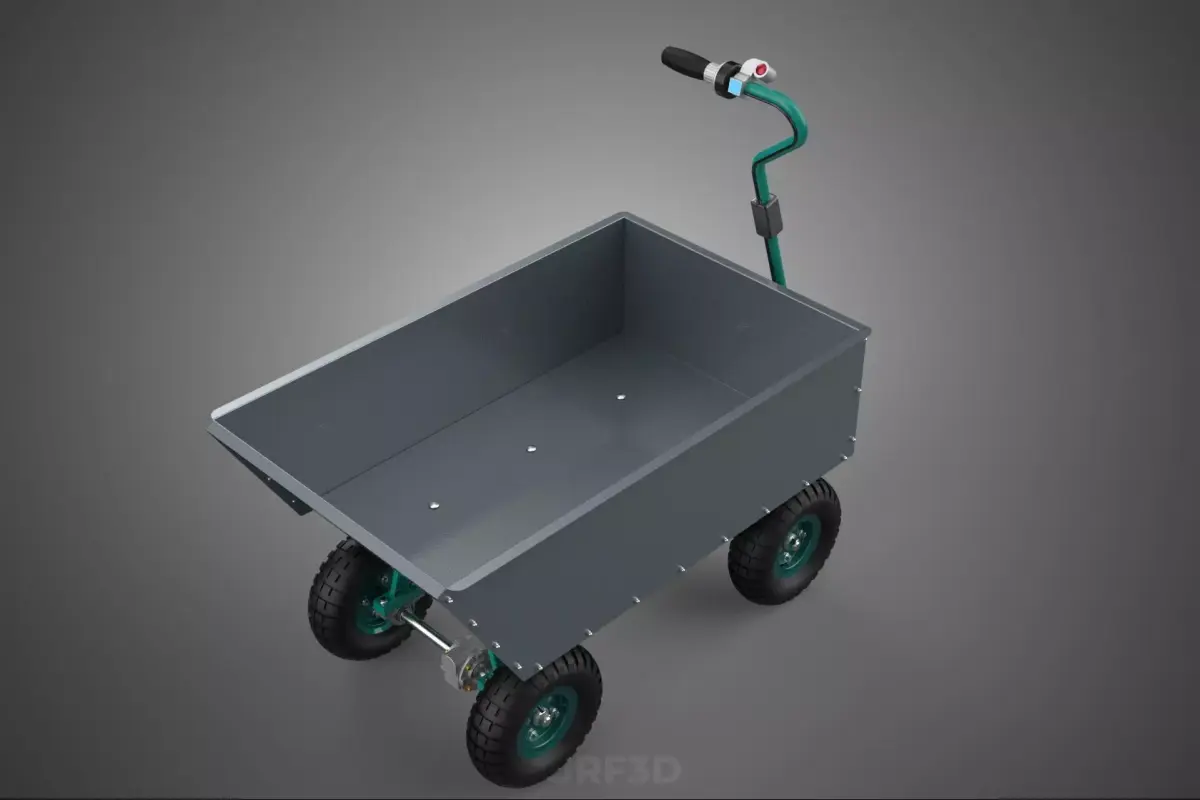
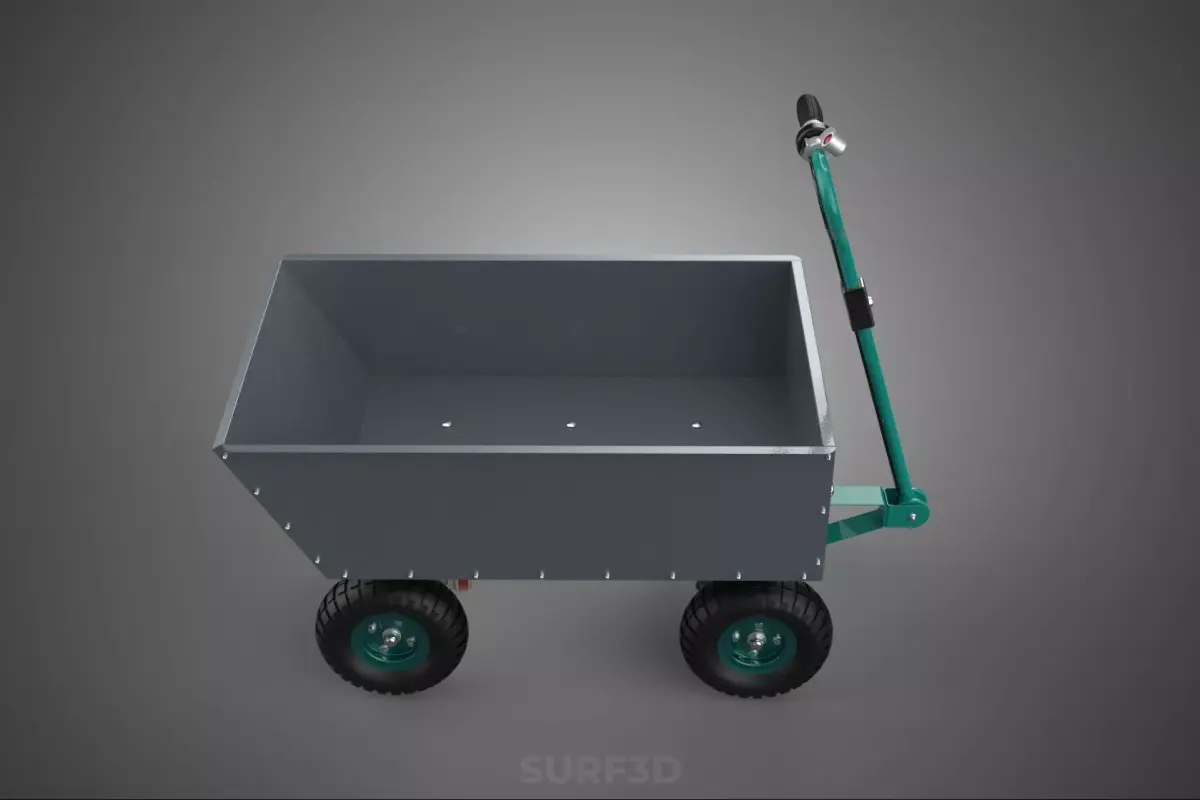
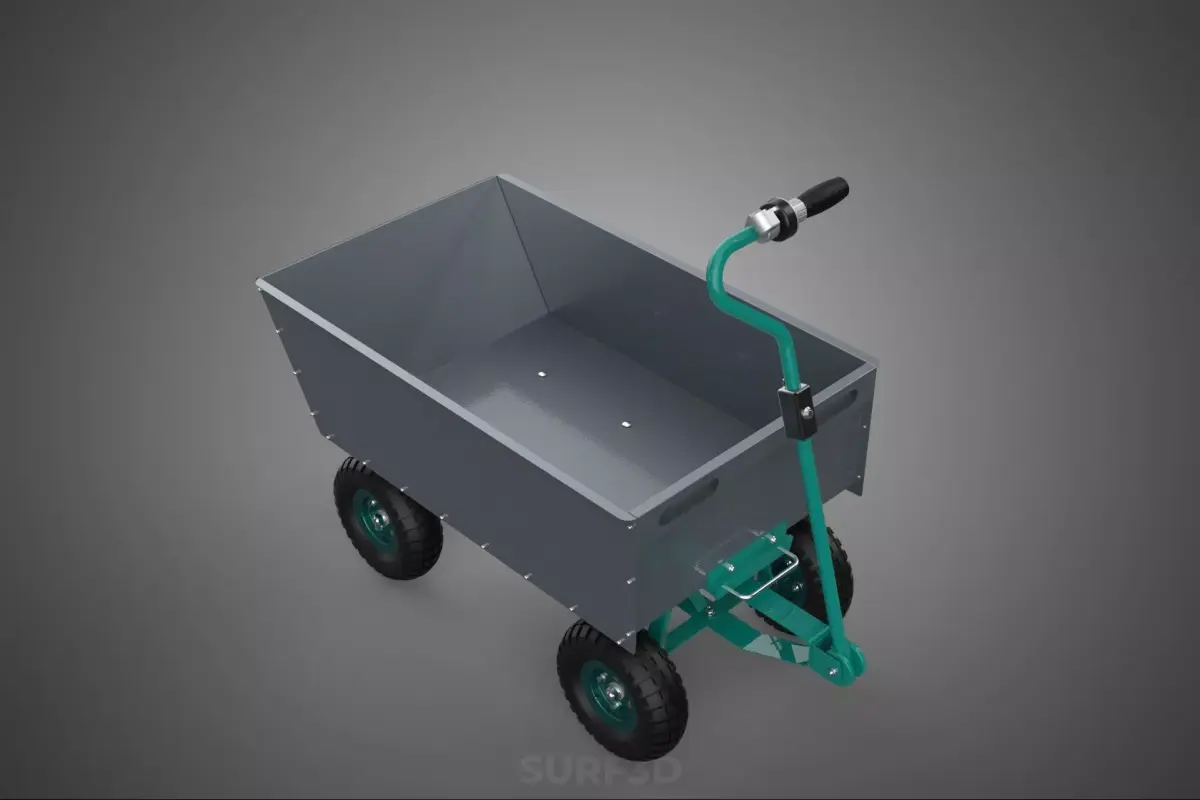
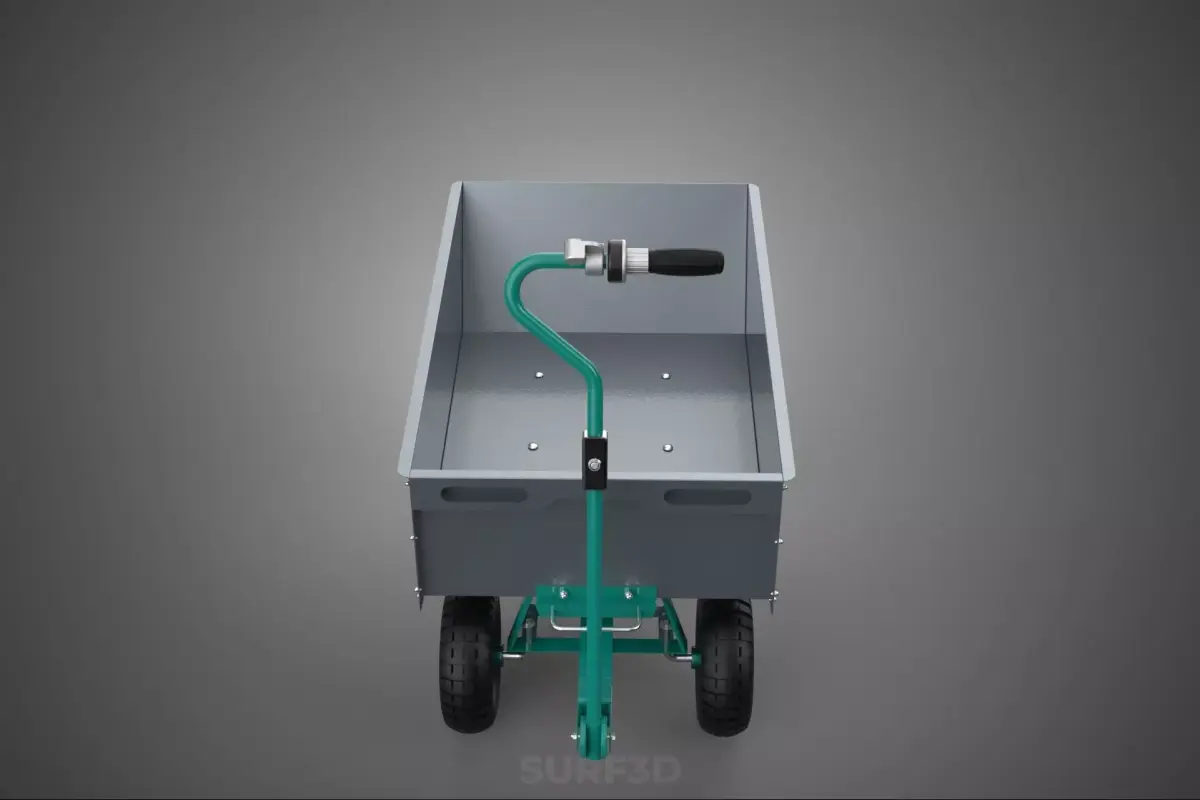
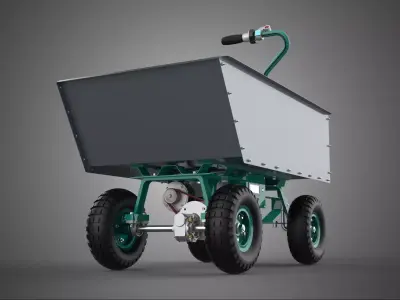
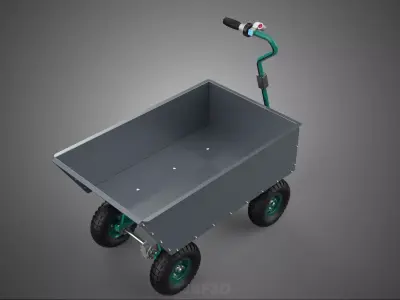
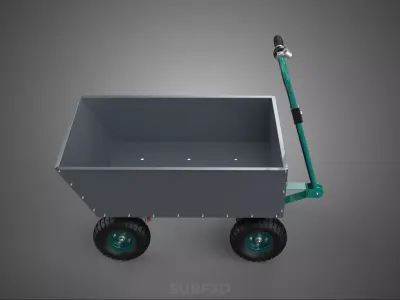
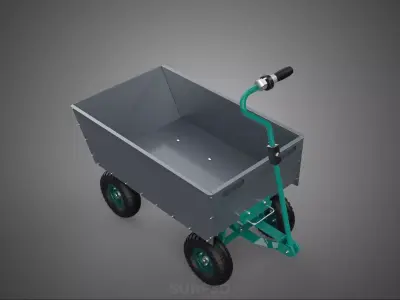
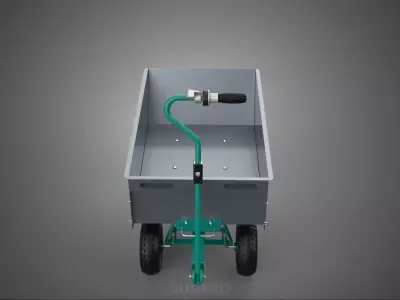
An Electric Transport Cart, also commonly referred to as an Electric Trolley, Wagon, or specifically a Warehouse/Workshop/Garage Cart, is a battery-powered, wheeled material handling device designed for the efficient movement of goods, tools, equipment, and waste within controlled environments. These units are specifically engineered to navigate the often-congested spaces of industrial facilities, commercial workshops, automotive garages, and similar settings, providing a quiet, emission-free, and ergonomically superior alternative to manual transport methods.
Nomenclature
The terms cart, trolley, and wagon are often used interchangeably to describe these devices, reflecting variations in design, platform configuration, and regional linguistic preferences. Cart typically suggests a smaller, four-wheeled unit, while trolley can encompass both two-wheeled hand trucks (though less common for electric versions) and four-wheeled platforms. Wagon often implies a lower, longer platform, sometimes designed for towing or heavier loads. The Electric prefix distinguishes them from their manual counterparts, highlighting their powered propulsion system.
Function and Purpose
The primary function of an Electric Transport Cart is to enhance operational efficiency and reduce the physical strain on personnel involved in intra-facility logistics. By automating or power-assisting the movement of materials, these devices mitigate the risks of musculoskeletal injuries associated with pushing or pulling heavy loads manually. They facilitate just-in-time material delivery, waste collection, parts distribution, and tool transport, thereby improving workflow, reducing turnaround times, and increasing overall productivity in diverse industrial and commercial environments.
Design and Components
Key components of these electric transport units include:
- Chassis and Frame: Typically constructed from robust materials such as steel or aluminum, designed for durability and optimal load-bearing capacity. The frame provides the structural integrity for the loading platform, motor, and battery compartment.
- Electric Drivetrain: Comprises a DC or AC electric motor, an integrated control unit for precise speed and direction management, and a rechargeable battery pack. Common battery types include sealed lead-acid (SLA), gel, AGM, or more advanced lithium-ion (Li-ion) for extended range, faster charging, and reduced weight.
- Wheels and Steering: Units feature a multi-wheel configuration (typically four, sometimes three or six), with various wheel types chosen based on terrain and load, such as solid rubber for smooth industrial floors, pneumatic for uneven surfaces, or non-marking options for sensitive environments. Steering mechanisms vary from simple swivel casters on the front or rear to more sophisticated differential drive systems or articulated steering.
- Loading Platform: Can be a flatbed for general cargo, incorporate raised sides for containing items, or be modular to accept specialized attachments such as bins, shelves, tool chests, or waste receptacles. Load capacities typically range from tens to several hundreds of kilograms, depending on the model.
- Control Interface: Features include ergonomic handlebars with twist-grip throttles or push-button controls, variable speed settings, forward and reverse functions, and clear indicators for battery charge level.
- Safety Features: Essential safety components include electromagnetic or mechanical braking systems, easily accessible emergency stop buttons, audible warnings (horns), battery charge indicators, safety lights (strobe or headlights), and sometimes automatic braking or anti-tip mechanisms to prevent accidents.
Operational Characteristics and Advantages
Electric Transport Carts offer significant operational advantages:
- Environmental: They produce zero direct emissions and operate quietly, making them ideal for indoor use where air quality and noise levels are critical, such as healthcare facilities or food processing plants.
- Efficiency: They significantly reduce the time and physical effort required for material movement, leading to faster task completion, optimized labor deployment, and increased throughput.
- Safety and Ergonomics: By eliminating strenuous manual handling, these devices minimize the risk of musculoskeletal injuries among personnel, thereby enhancing employee well-being and potentially reducing workers' compensation claims.
- Maneuverability: Designed for tight turns and narrow aisles, they enable efficient navigation in confined and congested spaces typical of many industrial and commercial settings.
- Cost-Effectiveness: They offer lower operating costs compared to internal combustion alternatives (due to reduced fuel consumption and often simpler maintenance) and contribute to substantial productivity gains that justify the initial investment.
Applications
These versatile units find extensive use across numerous sectors:
- Warehouses and Distribution Centers: For order picking, stock replenishment, inter-aisle transport of goods, and efficient waste removal.
- Workshops and Manufacturing Plants: Moving tools, components, work-in-progress, and finished goods between workstations, assembly lines, or departments.
- Automotive Garages: Transporting heavy parts like engines, transmissions, tires, or specialized tools around service bays and repair areas.
- Hospitals and Healthcare Facilities: Moving medical supplies, linen, food, and waste, where their quiet and emission-free operation is particularly valued.
- Retail and Hospitality: For restocking shelves, collecting shopping carts, managing waste, or transporting laundry and supplies in back-of-house operations.
- Educational Institutions and Campuses: Moving equipment, books, laboratory supplies, or maintenance materials across various buildings.
STL (Stereolithography, filesize: 27.4 MB), OBJ (OBJ, filesize: 56.4 MB), BLEND (Blender, filesize: 50.8 MB), DWG (AutoCAD, filesize: 21.4 MB), 3DM (Rhinoceros 3D, filesize: 69.5 MB), MAX (Autodesk 3ds Max, filesize: 127 MB), SAT (3D ACIS, filesize: 56.3 MB), IGE (IGES, filesize: 62.1 MB), GLTF (glTF, filesize: 18.3 MB), 3DS (3D Studio, filesize: 17 MB), STP (STEP, filesize: 28.8 MB), FBX (Autodesk FBX, filesize: 17.2 MB), SKP (Sketchup, filesize: 27.9 MB), DAE (Collada, filesize: 92.5 MB)