
Publication date: 2024-09-12
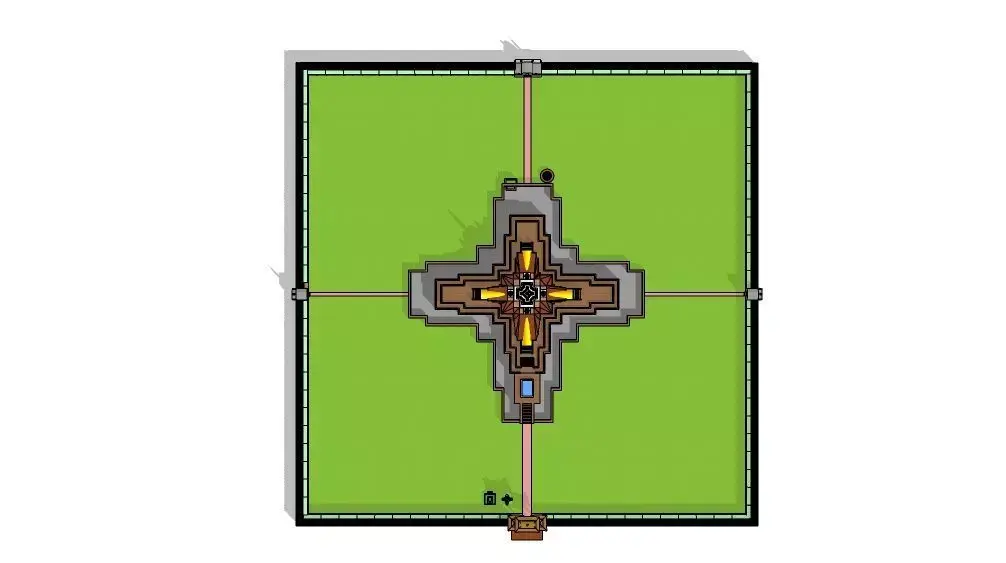
Buy Conceptual Model of Paharpur Buddhist Temple Bangladesh 3D model
$50
License: Royalty Free No Ai
Rigged
PBR
Realtime
Animated
Free

author:
saiham
Renders and source materials belong to the author saiham.
Specifications
- Platform
- cgtrader
- Animated
- Rigged
- 3D Print ready
- VR / AR / Low-poly
- PBR
- Textures
- Materials
- UV Mapping
- Polygons
- 0
- Vertices
- 0
- Geometry
- No N-gons | No faceted geometry | Manifold geometry |
- Plugins used
Usage recommendations
Realtime rendering
✕
PC Game development
✕
Mobile Game Development
✕
VR/AR applications
✕
Visualisation
✓
Cinema
✓
Advertising
✓
3D Printing
✕
CAD Engineering
✕
E-Commerce & Interactive 3D Web
✕
FAQ
Is this a free 3D model?
No, this model costs $50.
How do I download this 3D model?
Use the "Go to purchase" button below to get this model.
What license applies to this model?
This model is distributed under the Royalty Free No Ai license. Click "Go to purchase" for full license details.
Does it include rigging and animation?
This model has no rig or animation. It is a static 3D object.
Does this model have UV mapping?
No, this model does not have UV mapping.
What textures and materials does this 3D model include?
This model has no textures or materials.
Can I use it for 3D printing?
No, this model is not intended for 3D printing.
Additional information
Somapura Mahavira, also known as the Great Monastery, symbolizes the rise of Mahayana Buddhism in Bengal from the 7th century and was a major intellectual center until the 12th century. This unique monastery-city, with its harmonious architecture and intricate carvings, significantly influenced Buddhist architecture in regions as far as Cambodia. During the Pāla period, several prominent monasteries, including Somapura Mahavihara, Vikramashila, Nalanda, Odantapurā, and Jaggadala, formed a network of Buddhist learning institutions in ancient India. These universities were interconnected and state-supervised, allowing scholars like Atisa to travel between them. Somapura Mahavihara was the largest university of its time, and it played a pivotal role in the development of early Bengali language in the 8th century.
Similar models



Find the models you need