
Publication date: 2026-01-16
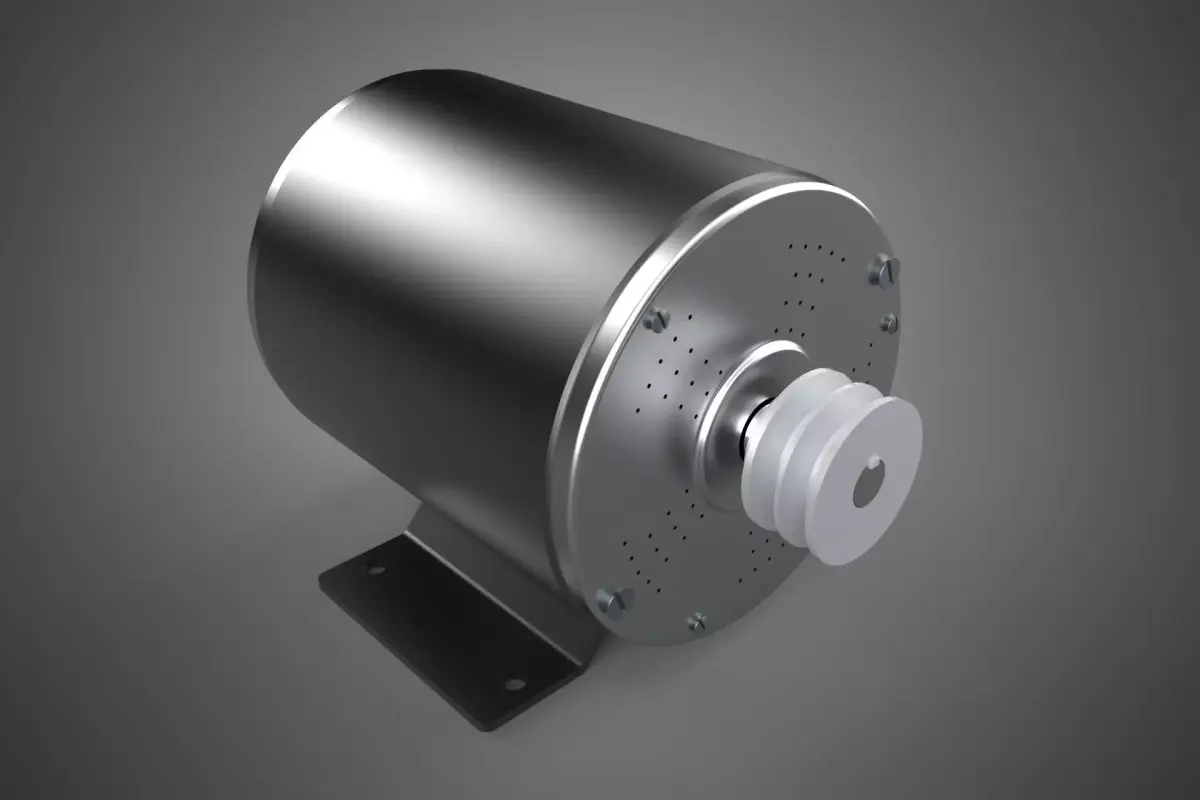
Buy HIGH POWER BLDC ENGINE BRUSHLESS MOTOR ELECTRIC VEHICLE EV CAR 3D model
$13
License: Royalty Free
Rigged
PBR
Realtime
Animated
Free

author:
SURF3D
Renders and source materials belong to the author SURF3D.
Specifications
- Platform
- cgtrader
- Animated
- Rigged
- 3D Print ready
- VR / AR / Low-poly
- PBR
- Textures
- Materials
- UV Mapping
- Polygons
- 33808
- Vertices
- 30922
- Geometry
- No N-gons | No faceted geometry | Manifold geometry |
Usage recommendations
Realtime rendering
✕
PC Game development
✕
Mobile Game Development
✕
VR/AR applications
✕
Visualisation
✓
Cinema
✓
Advertising
✓
3D Printing
✕
CAD Engineering
✕
E-Commerce & Interactive 3D Web
✕
FAQ
Is this a free 3D model?
No, this model costs $13.
How do I download this 3D model?
This model is available through the "Go to purchase" button on this page.
What license applies to this model?
This model is distributed under the Royalty Free license. Click "Go to purchase" for full license details.
Does it include rigging and animation?
This model has no rig or animation. It is a static 3D object.
Does this model have UV mapping?
No, this model does not have UV mapping.
What textures and materials does this 3D model include?
This model has materials, but no textures. Technical details are in the Specifications block, and a fuller description is in Additional information.
Can I use it for 3D printing?
No, this model is not intended for 3D printing.
Additional information
High-quality 3D assets at affordable prices — trusted by designers, engineers, and creators worldwide. Made with care to be versatile, accessible, and ready for your pipeline.
Included File Formats
This model is provided in 14 widely supported formats, ensuring maximum compatibility:
• - FBX (.fbx) – Standard format for most 3D software and pipelines
• - OBJ + MTL (.obj, .mtl) – Wavefront format, widely used and compatible
• - STL (.stl) – Exported mesh geometry; may be suitable for 3D printing with adjustments
• - STEP (.step, .stp) – CAD format using NURBS surfaces
• - IGES (.iges, .igs) – Common format for CAD/CAM and engineering workflows (NURBS)
• - SAT (.sat) – ACIS solid model format (NURBS)
• - DAE (.dae) – Collada format for 3D applications and animations
• - glTF (.glb) – Modern, lightweight format for web, AR, and real-time engines
• - 3DS (.3ds) – Legacy format with broad software support
• - 3ds Max (.max) – Provided for 3ds Max users
• - Blender (.blend) – Provided for Blender users
• - SketchUp (.skp) – Compatible with all SketchUp versions
• - AutoCAD (.dwg) – Suitable for technical and architectural workflows
• - Rhino (.3dm) – Provided for Rhino users
Model Info
• - All files are checked and tested for integrity and correct content
• - Geometry uses real-world scale; model resolution varies depending on the product (high or low poly)
• • - Scene setup and mesh structure may vary depending on model complexity
• - Rendered using Luxion KeyShot
• - Affordable price with professional detailing
Buy with confidence. Quality and compatibility guaranteed.
If you have any questions about the file formats, feel free to send us a message — we're happy to assist you!
Sincerely,
SURF3D
Trusted source for professional and affordable 3D models.
More Information About 3D Model :
A High Power Brushless DC (BLDC) electric motor is a sophisticated electrical machine optimized for use as the primary traction system in contemporary Electric Vehicles (EVs). While the term BLDC is broadly applicable to electronically commutated motors, high-power automotive applications overwhelmingly utilize variants known specifically as Permanent Magnet Synchronous Motors (PMSM), which provide superior torque control and higher efficiency suitable for rigorous driving cycles.
Definition and Nomenclature
The component is technically defined as an electric motor, as it converts stored electrical energy (from the vehicle’s high-voltage battery pack) into mechanical rotational energy, thereby propelling the vehicle. The common colloquial reference to it as an engine is a historical carryover from internal combustion terminology and is technically inaccurate.
The core distinction of the BLDC/PMSM architecture lies in its commutation process. Unlike traditional Brushed DC motors, which use physical carbon brushes and a commutator assembly to reverse current direction, the BLDC motor employs electronic commutation managed entirely by an external power inverter. This arrangement eliminates frictional losses, brush wear, and sparking, leading to significantly reduced maintenance requirements, enhanced reliability, and higher mechanical efficiency.
Technical Principles of Operation
The structure of the high-power BLDC motor consists of a fixed stator carrying three-phase windings and a rotor embedded with strong rare-earth permanent magnets, typically Neodymium-Iron-Boron (NdFeB).
Electronic Commutation: Torque generation relies on the precise synchronization of the magnetic field generated by the stator windings with the position of the permanent magnets on the rotor. The Traction Inverter draws DC power from the battery and converts it into controlled three-phase Alternating Current (AC).
Rotor Position Sensing: The motor controller must know the instantaneous angular position of the rotor. This is achieved either through Hall effect sensors or resolvers, or via sophisticated sensorless algorithms that deduce rotor position by monitoring back-Electromotive Force (back-EMF) induced in the windings.
Torque Control: The inverter sequentially energizes the stator phases, creating a rotating magnetic field that pulls the permanent magnets on the rotor. The control algorithm, often Field-Oriented Control (FOC) or vector control, ensures that the stator flux vector is maintained orthogonally (90 electrical degrees) to the rotor flux vector, maximizing torque production across the motor's operational speed range.
### Characteristics for EV Application
High-power BLDC motors designated for EV traction must meet stringent automotive performance standards, focusing on high torque density, wide operating speed range, and thermal robustness.
Torque Density: To provide rapid acceleration and adequate hill-climbing capacity, EV motors are designed with a high power-to-weight ratio. This is often achieved through high-grade permanent magnets, advanced magnetic circuit design, and optimized winding techniques.
Voltage Systems: Modern high-power EV systems operate at elevated DC bus voltages, ranging typically from 400V to 800V. Higher voltages reduce current requirements for equivalent power output, minimizing resistive losses ($I^2R$) and allowing for smaller, lighter cable harnesses.
Efficiency: BLDC/PMSM systems offer peak efficiencies often exceeding 95%. This high efficiency is paramount for maximizing the vehicle's driving range (miles per kilowatt-hour of energy).
Thermal Management: Under sustained high-load operation, significant heat is generated in the stator windings. EV motors utilize mandatory, high-efficiency liquid cooling systems, where coolant is circulated through integrated cooling jackets to maintain optimal operational temperature and prevent demagnetization of the permanent magnets.
Regenerative Braking: A fundamental advantage of the BLDC motor is its ability to operate as a generator during deceleration. By strategically controlling the inverter, the motor captures kinetic energy from the vehicle and converts it back into electrical energy, which is then returned to the battery pack, significantly improving overall energy economy.
### Control and Integration
The functionality of the motor is inextricably linked to the Traction Inverter, which serves as the electronic brain and power stage. This control unit dictates motor performance, manages safety parameters, and facilitates communication with the central Vehicle Control Unit (VCU) to match driver input (accelerator pedal) to torque output. The seamless, precise control afforded by the BLDC/PMSM architecture is critical for delivering the instant torque response and quiet operation expected in modern electric vehicles.
KEYWORDS: BLDC Motor, Brushless Motor, Electric Vehicle, EV Car, Permanent Magnet Synchronous Motor, PMSM, Traction Motor, High Power, Electronic Commutation, Torque Density, Stator, Rotor, Neodymium Magnets, Inverter, Field-Oriented Control, FOC, Regenerative Braking, Efficiency, Thermal Management, 400V System, 800V System, Vehicle Control Unit, VCU, Automotive Propulsion, High Voltage, Electric Powertrain, AC Current, DC Bus, Energy Conversion, High Reliability, Sensorless Control.
Included File Formats
This model is provided in 14 widely supported formats, ensuring maximum compatibility:
• - FBX (.fbx) – Standard format for most 3D software and pipelines
• - OBJ + MTL (.obj, .mtl) – Wavefront format, widely used and compatible
• - STL (.stl) – Exported mesh geometry; may be suitable for 3D printing with adjustments
• - STEP (.step, .stp) – CAD format using NURBS surfaces
• - IGES (.iges, .igs) – Common format for CAD/CAM and engineering workflows (NURBS)
• - SAT (.sat) – ACIS solid model format (NURBS)
• - DAE (.dae) – Collada format for 3D applications and animations
• - glTF (.glb) – Modern, lightweight format for web, AR, and real-time engines
• - 3DS (.3ds) – Legacy format with broad software support
• - 3ds Max (.max) – Provided for 3ds Max users
• - Blender (.blend) – Provided for Blender users
• - SketchUp (.skp) – Compatible with all SketchUp versions
• - AutoCAD (.dwg) – Suitable for technical and architectural workflows
• - Rhino (.3dm) – Provided for Rhino users
Model Info
• - All files are checked and tested for integrity and correct content
• - Geometry uses real-world scale; model resolution varies depending on the product (high or low poly)
• • - Scene setup and mesh structure may vary depending on model complexity
• - Rendered using Luxion KeyShot
• - Affordable price with professional detailing
Buy with confidence. Quality and compatibility guaranteed.
If you have any questions about the file formats, feel free to send us a message — we're happy to assist you!
Sincerely,
SURF3D
Trusted source for professional and affordable 3D models.
More Information About 3D Model :
A High Power Brushless DC (BLDC) electric motor is a sophisticated electrical machine optimized for use as the primary traction system in contemporary Electric Vehicles (EVs). While the term BLDC is broadly applicable to electronically commutated motors, high-power automotive applications overwhelmingly utilize variants known specifically as Permanent Magnet Synchronous Motors (PMSM), which provide superior torque control and higher efficiency suitable for rigorous driving cycles.
Definition and Nomenclature
The component is technically defined as an electric motor, as it converts stored electrical energy (from the vehicle’s high-voltage battery pack) into mechanical rotational energy, thereby propelling the vehicle. The common colloquial reference to it as an engine is a historical carryover from internal combustion terminology and is technically inaccurate.
The core distinction of the BLDC/PMSM architecture lies in its commutation process. Unlike traditional Brushed DC motors, which use physical carbon brushes and a commutator assembly to reverse current direction, the BLDC motor employs electronic commutation managed entirely by an external power inverter. This arrangement eliminates frictional losses, brush wear, and sparking, leading to significantly reduced maintenance requirements, enhanced reliability, and higher mechanical efficiency.
Technical Principles of Operation
The structure of the high-power BLDC motor consists of a fixed stator carrying three-phase windings and a rotor embedded with strong rare-earth permanent magnets, typically Neodymium-Iron-Boron (NdFeB).
Electronic Commutation: Torque generation relies on the precise synchronization of the magnetic field generated by the stator windings with the position of the permanent magnets on the rotor. The Traction Inverter draws DC power from the battery and converts it into controlled three-phase Alternating Current (AC).
Rotor Position Sensing: The motor controller must know the instantaneous angular position of the rotor. This is achieved either through Hall effect sensors or resolvers, or via sophisticated sensorless algorithms that deduce rotor position by monitoring back-Electromotive Force (back-EMF) induced in the windings.
Torque Control: The inverter sequentially energizes the stator phases, creating a rotating magnetic field that pulls the permanent magnets on the rotor. The control algorithm, often Field-Oriented Control (FOC) or vector control, ensures that the stator flux vector is maintained orthogonally (90 electrical degrees) to the rotor flux vector, maximizing torque production across the motor's operational speed range.
### Characteristics for EV Application
High-power BLDC motors designated for EV traction must meet stringent automotive performance standards, focusing on high torque density, wide operating speed range, and thermal robustness.
Torque Density: To provide rapid acceleration and adequate hill-climbing capacity, EV motors are designed with a high power-to-weight ratio. This is often achieved through high-grade permanent magnets, advanced magnetic circuit design, and optimized winding techniques.
Voltage Systems: Modern high-power EV systems operate at elevated DC bus voltages, ranging typically from 400V to 800V. Higher voltages reduce current requirements for equivalent power output, minimizing resistive losses ($I^2R$) and allowing for smaller, lighter cable harnesses.
Efficiency: BLDC/PMSM systems offer peak efficiencies often exceeding 95%. This high efficiency is paramount for maximizing the vehicle's driving range (miles per kilowatt-hour of energy).
Thermal Management: Under sustained high-load operation, significant heat is generated in the stator windings. EV motors utilize mandatory, high-efficiency liquid cooling systems, where coolant is circulated through integrated cooling jackets to maintain optimal operational temperature and prevent demagnetization of the permanent magnets.
Regenerative Braking: A fundamental advantage of the BLDC motor is its ability to operate as a generator during deceleration. By strategically controlling the inverter, the motor captures kinetic energy from the vehicle and converts it back into electrical energy, which is then returned to the battery pack, significantly improving overall energy economy.
### Control and Integration
The functionality of the motor is inextricably linked to the Traction Inverter, which serves as the electronic brain and power stage. This control unit dictates motor performance, manages safety parameters, and facilitates communication with the central Vehicle Control Unit (VCU) to match driver input (accelerator pedal) to torque output. The seamless, precise control afforded by the BLDC/PMSM architecture is critical for delivering the instant torque response and quiet operation expected in modern electric vehicles.
KEYWORDS: BLDC Motor, Brushless Motor, Electric Vehicle, EV Car, Permanent Magnet Synchronous Motor, PMSM, Traction Motor, High Power, Electronic Commutation, Torque Density, Stator, Rotor, Neodymium Magnets, Inverter, Field-Oriented Control, FOC, Regenerative Braking, Efficiency, Thermal Management, 400V System, 800V System, Vehicle Control Unit, VCU, Automotive Propulsion, High Voltage, Electric Powertrain, AC Current, DC Bus, Energy Conversion, High Reliability, Sensorless Control.
Similar models

Find the models you need